
Jul 03,2026
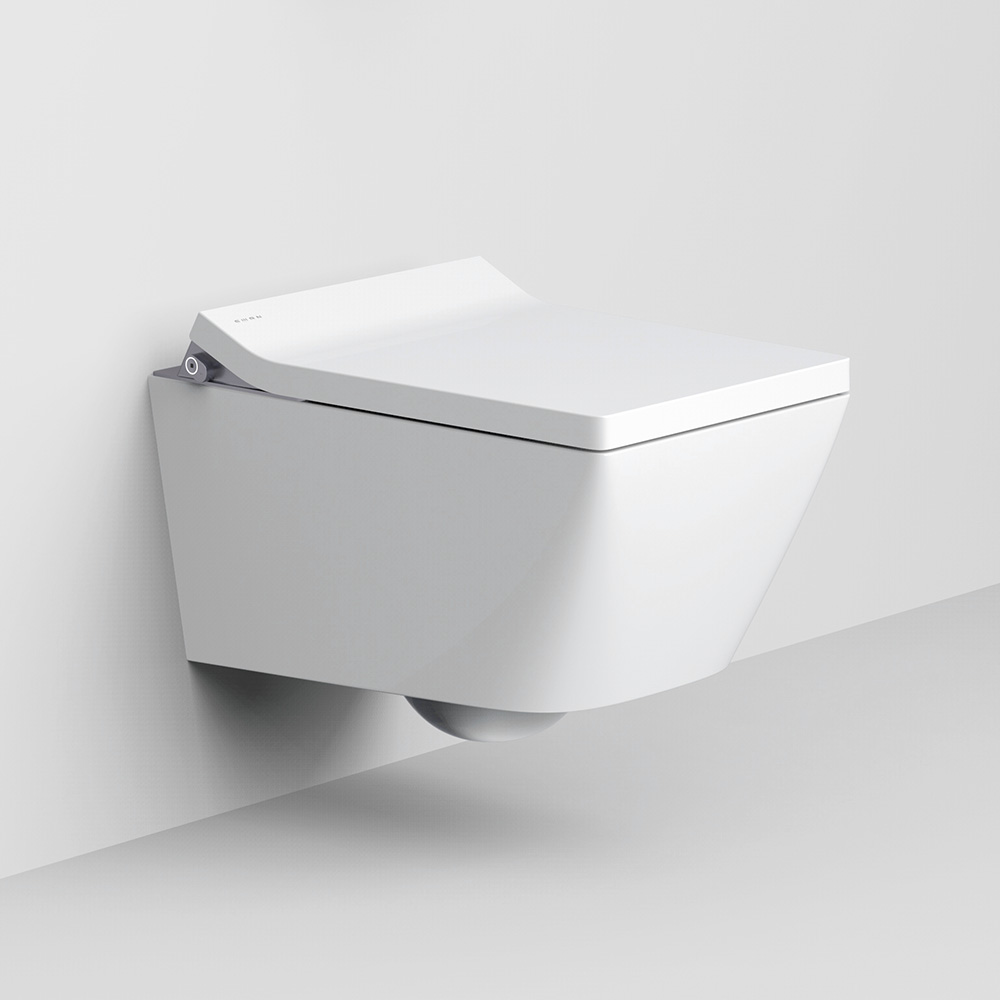
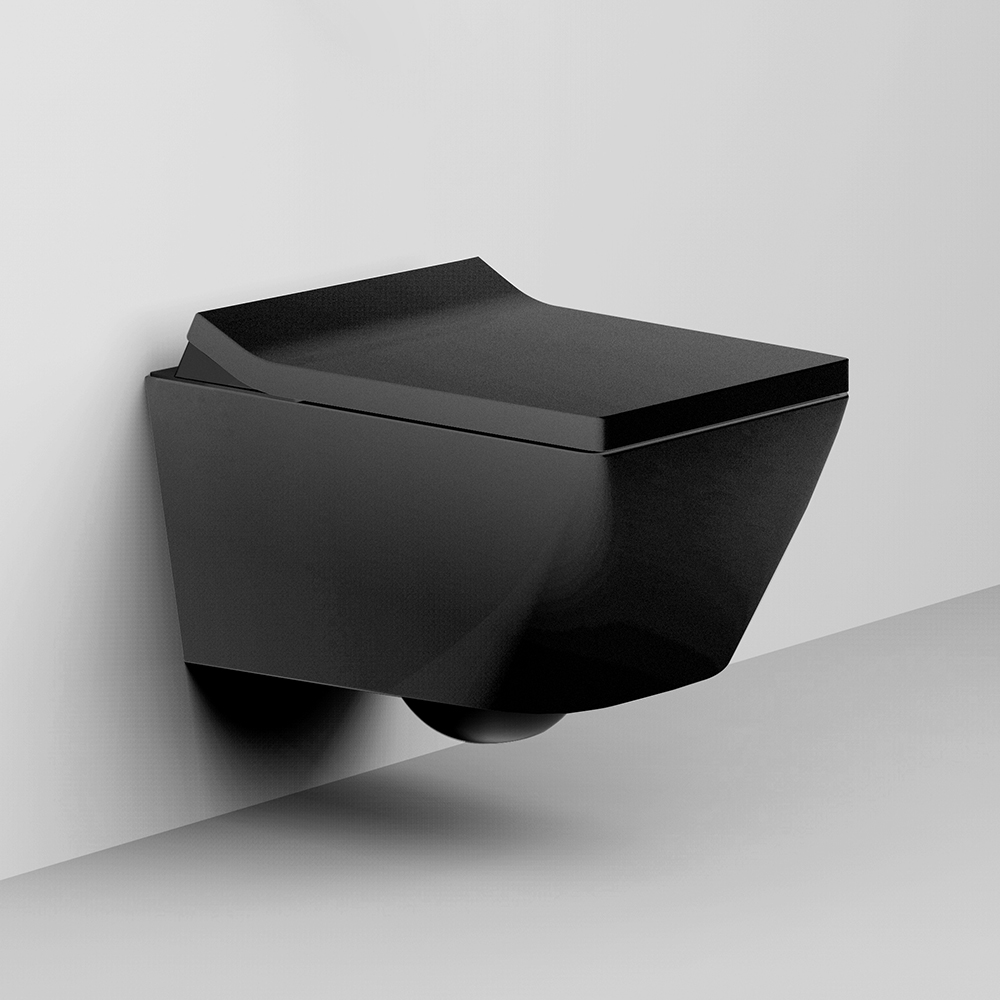
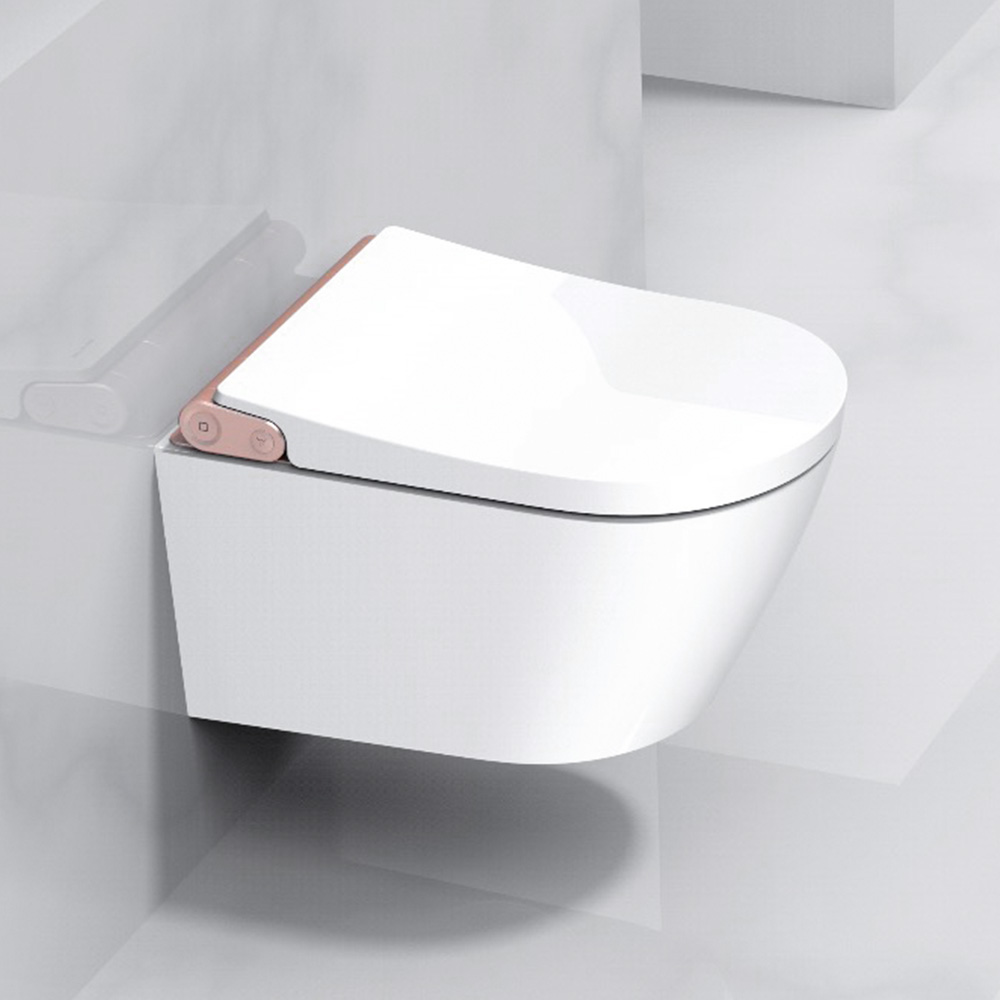
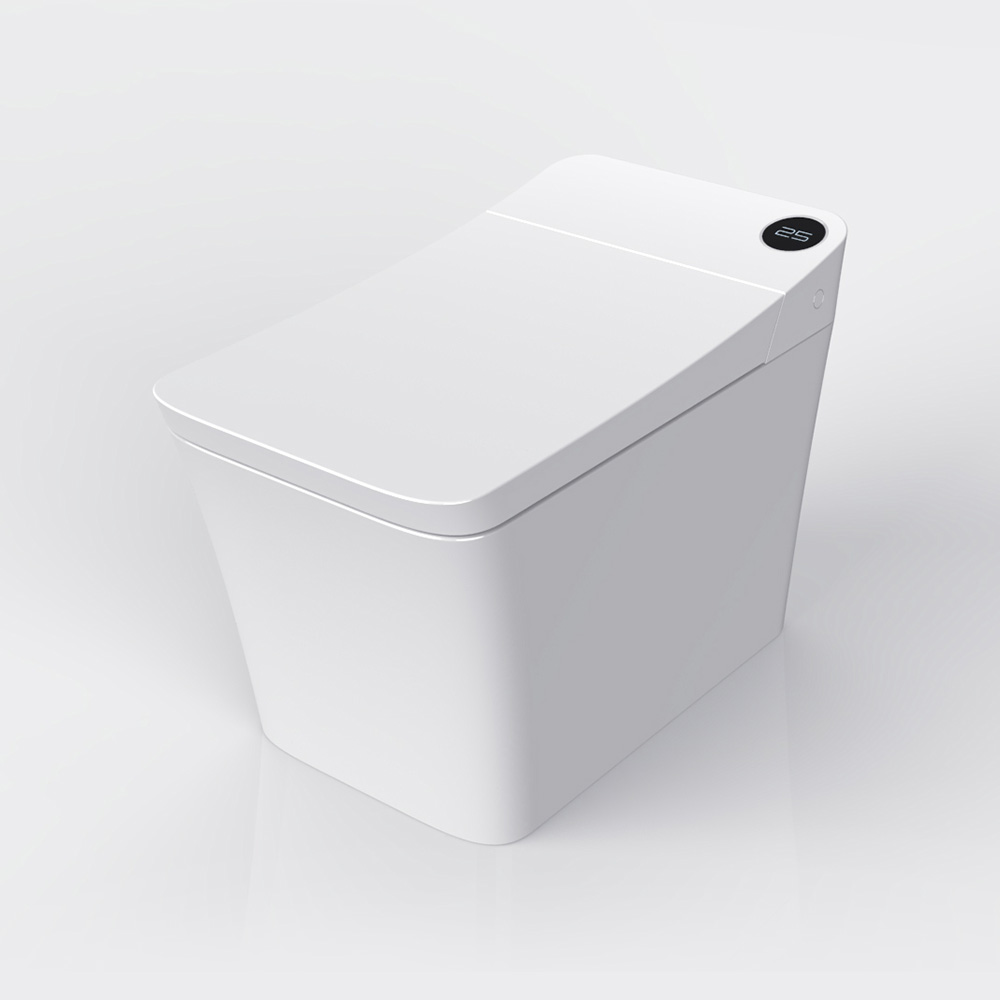
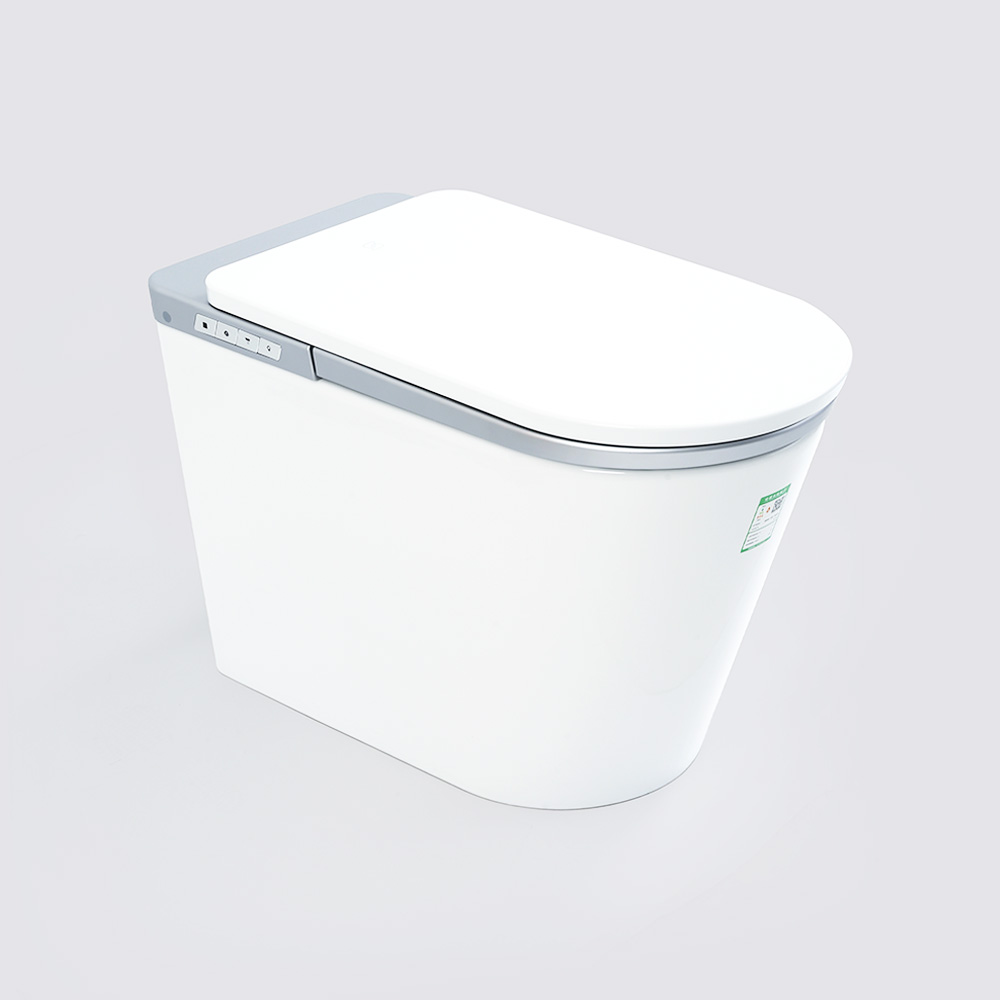
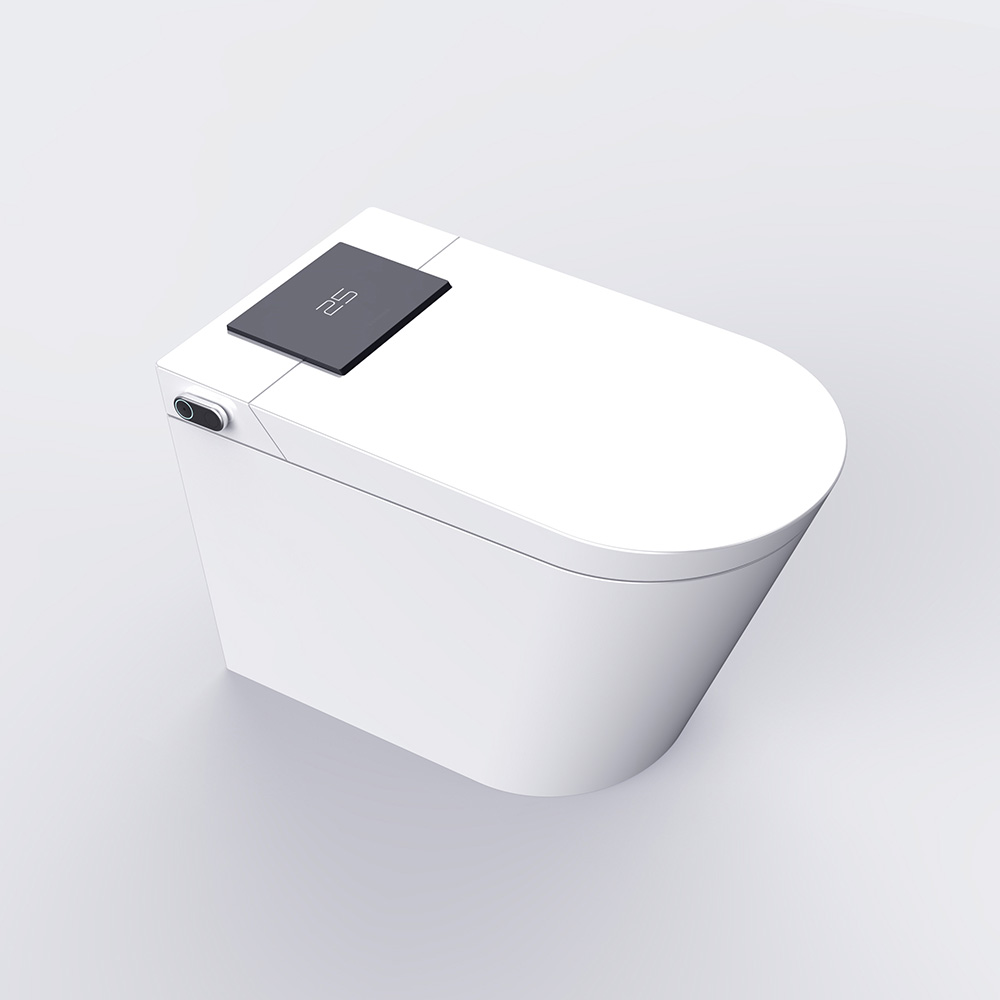
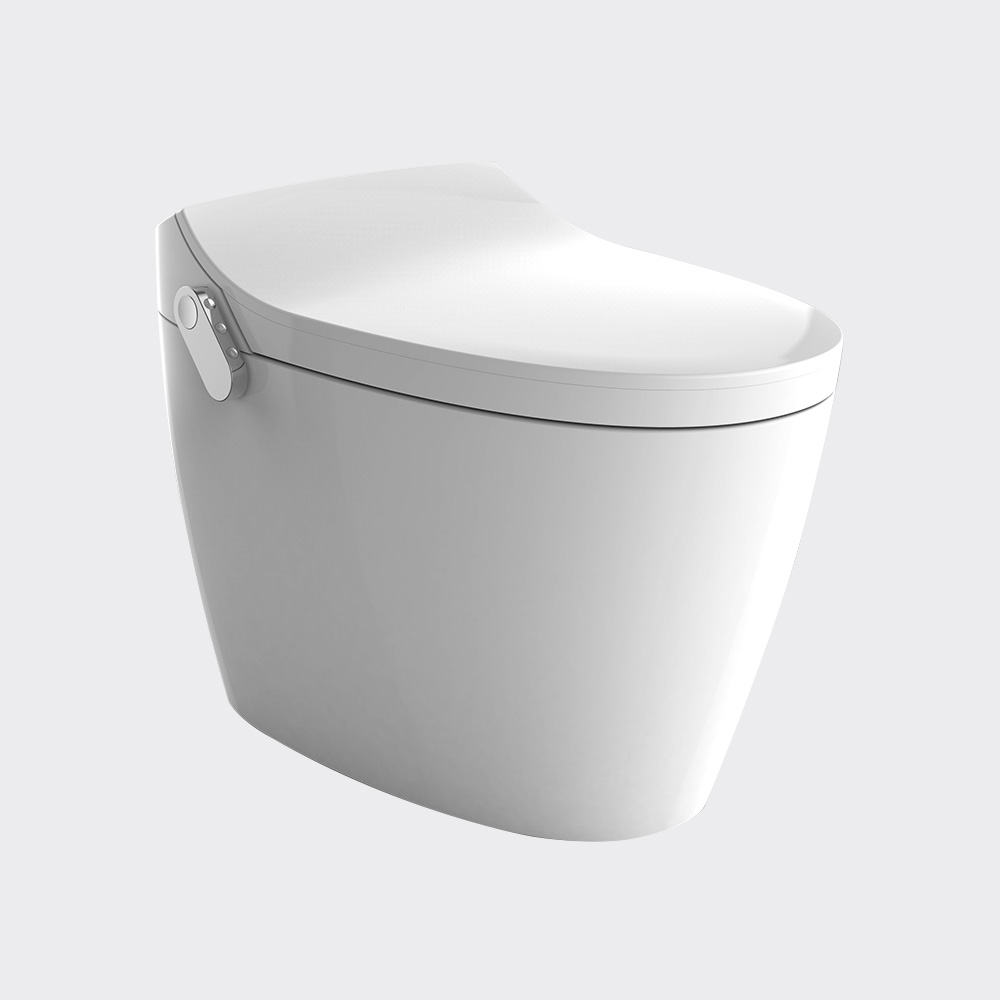
S-trap smart toilet is becoming a familiar choice in renovation projects where the drainage outlet is located in the floor. While many buyers pay attention to automatic flushing, heated seats, or bidet functions, installers often focus on something much simpler before the toilet is even unpacked—the drainage layout.
In recent bathroom renovation projects, contractors have found that selecting the correct S-trap smart toilet at the planning stage can reduce installation adjustments later. Instead of solving compatibility issues after delivery, more projects now begin with careful measurements of the floor outlet and rough-in distance.
The Bathroom Usually Determines The Choice
Homeowners often compare appearance first.
Installers rarely do.
The inspection normally takes place at floor level.
They measure the outlet position.
They check surrounding space.
They look at how the toilet will sit once connected.
Only after these steps do they decide whether an S-trap smart toilet matches the existing plumbing arrangement.
This approach has become increasingly common during renovation work because changing drainage pipes is usually far more expensive than selecting the correct toilet configuration.
Renovation Projects Leave Less Room For Adjustment
Unlike new construction, existing bathrooms already have fixed plumbing.
Moving the drain may require removing floor finishes or modifying concrete beneath the tiles.
Because of that, contractors often prefer solutions that work with the original drainage layout whenever possible.
For many renovation teams, choosing an S-trap smart toilet is less about adding new technology and more about reducing unnecessary structural work.
The decision is made long before electrical functions are discussed.
Measurements Prevent Unexpected Delays
One experienced installer described measurements as "the cheaper part of the project."
Taking a few extra minutes before ordering can prevent hours of adjustment later.
If the rough-in distance matches the product specification, installation usually progresses much more smoothly.
When measurements are overlooked, delivery may be delayed while another model is sourced.
This is one reason s-trap smart toilet specifications are now reviewed much earlier during project planning than they were several years ago.
Smart Functions Come After The Plumbing
Customers often ask about sensors, remote controls, or washing functions during showroom visits.
Installers generally ask different questions.
Is there enough clearance?
Can maintenance access be left behind the toilet?
Will the electrical outlet remain accessible after installation?
These practical discussions happen before the s-trap smart toilet is connected, because reliable installation provides the foundation for every smart feature that follows.
More Projects Emphasise Compatibility
Bathroom renovation has gradually shifted from replacing individual products to coordinating complete systems.
Tiles, waterproofing, plumbing, ventilation, and electrical work now influence each other more closely than before.
Within that process, the s-trap smart toilet is evaluated as part of the overall installation rather than as an isolated appliance.
The result is often fewer on-site modifications and a more predictable construction schedule.
Installation Starts Long Before Delivery
Many successful projects are decided before the toilet even reaches the building.
Accurate measurements, suitable drainage planning, and early coordination between suppliers and installers reduce uncertainty throughout the renovation.
For that reason, discussions about an S-trap smart toilet increasingly begin with the floor plan instead of the product brochure.
The installation itself may only take a few hours, but the decisions that make it straightforward are usually made much earlier.
Copyright © Seewin Technology (Zhejiang) Co., Ltd.All Rights Reserved.
Customized Functional Electric Smart Toilet Factory

 English
 中文简体
中文简体 русский
 Français
 Español
 عربى
عربى Türk
Türk