
Jun 26,2026
Anyone who has ever scrubbed behind a traditional floor-mounted toilet knows the frustration. The gap between the toilet and the wall collects dust, hair, and spills. Reaching that space requires contorting arms and using narrow brushes. A back to wall smart toilet addresses this specific problem through its installation design.
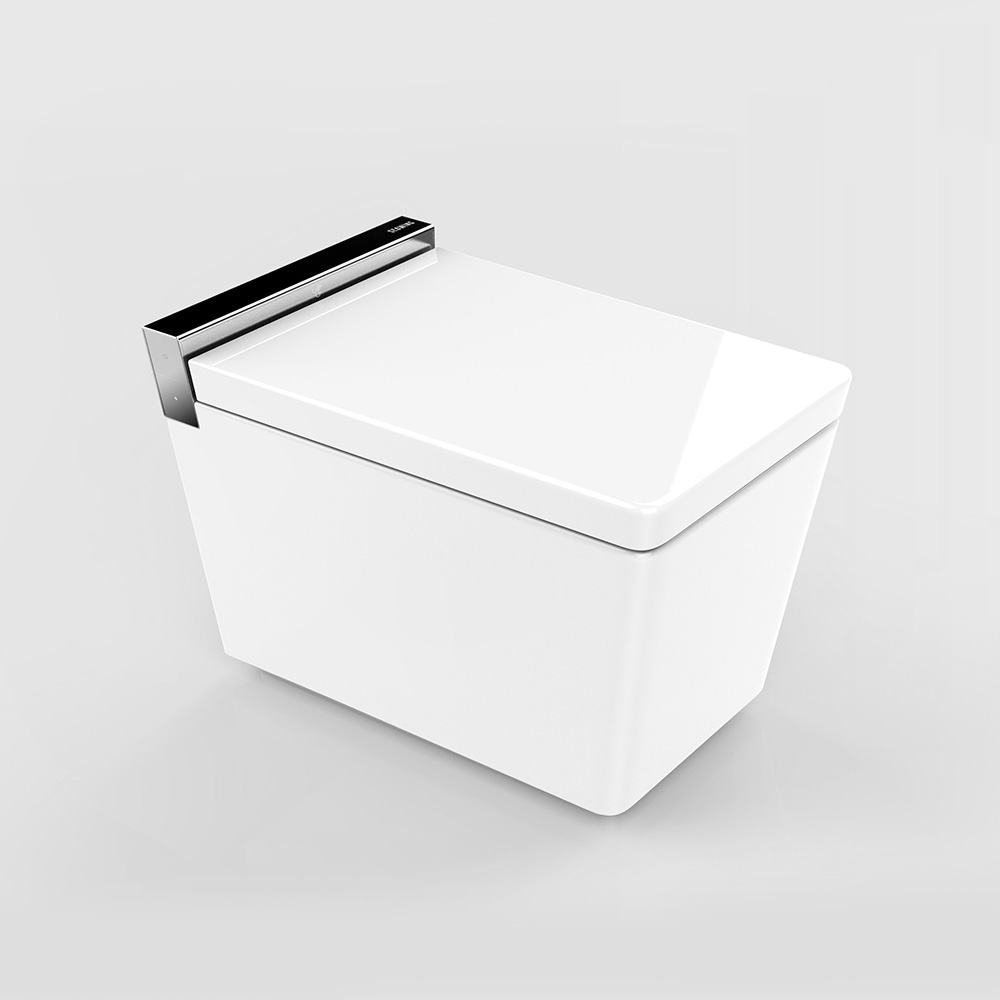
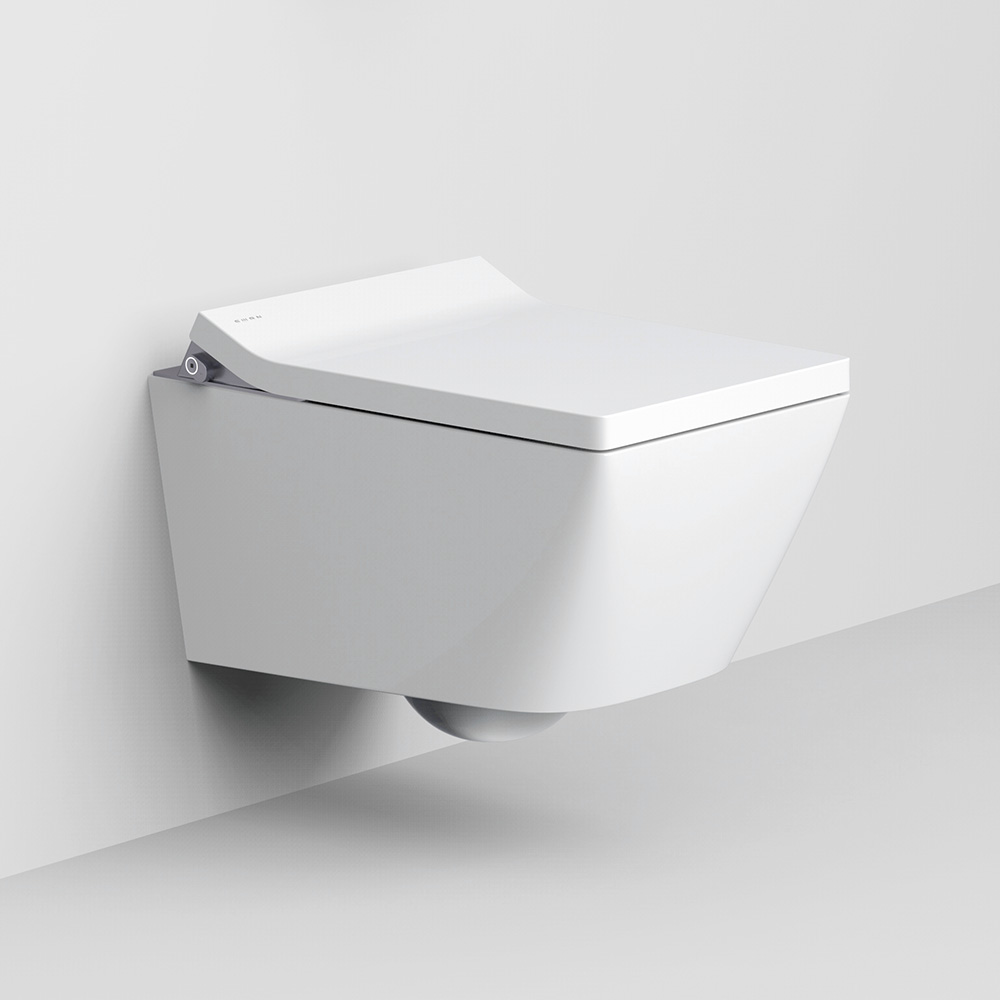
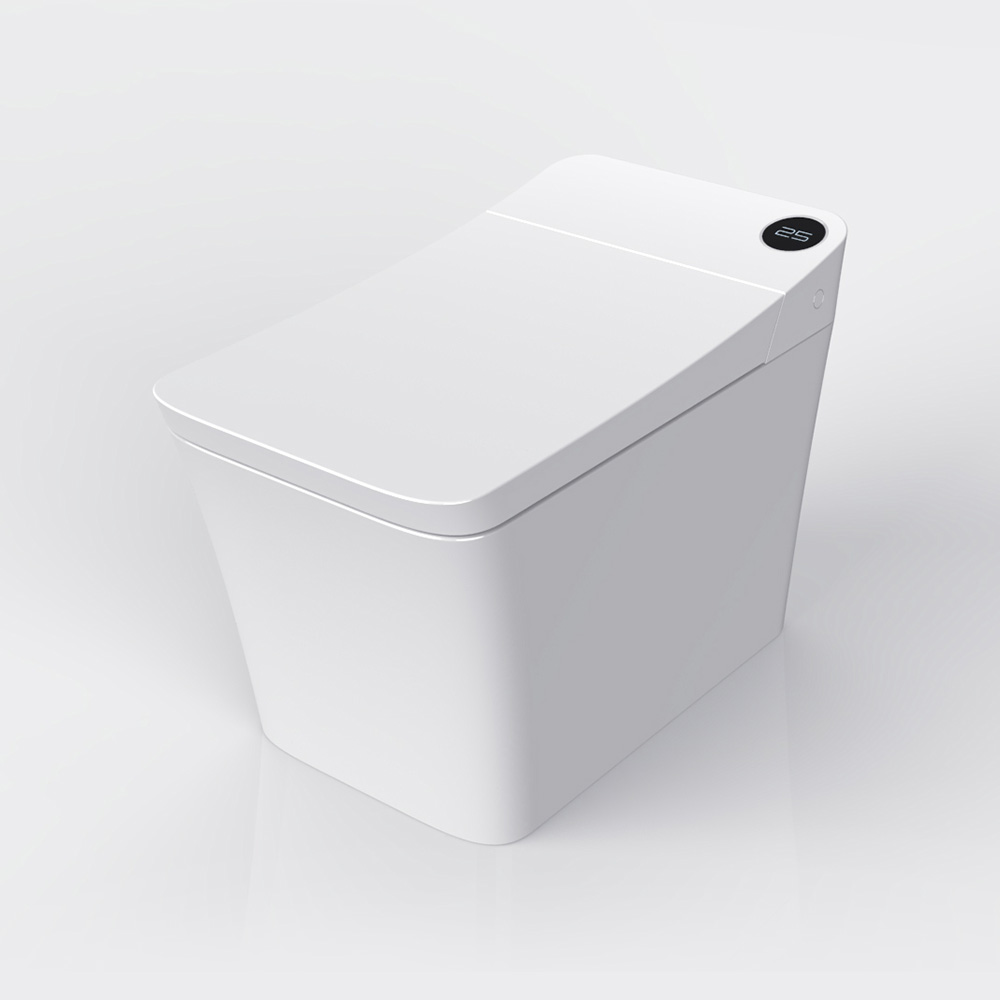
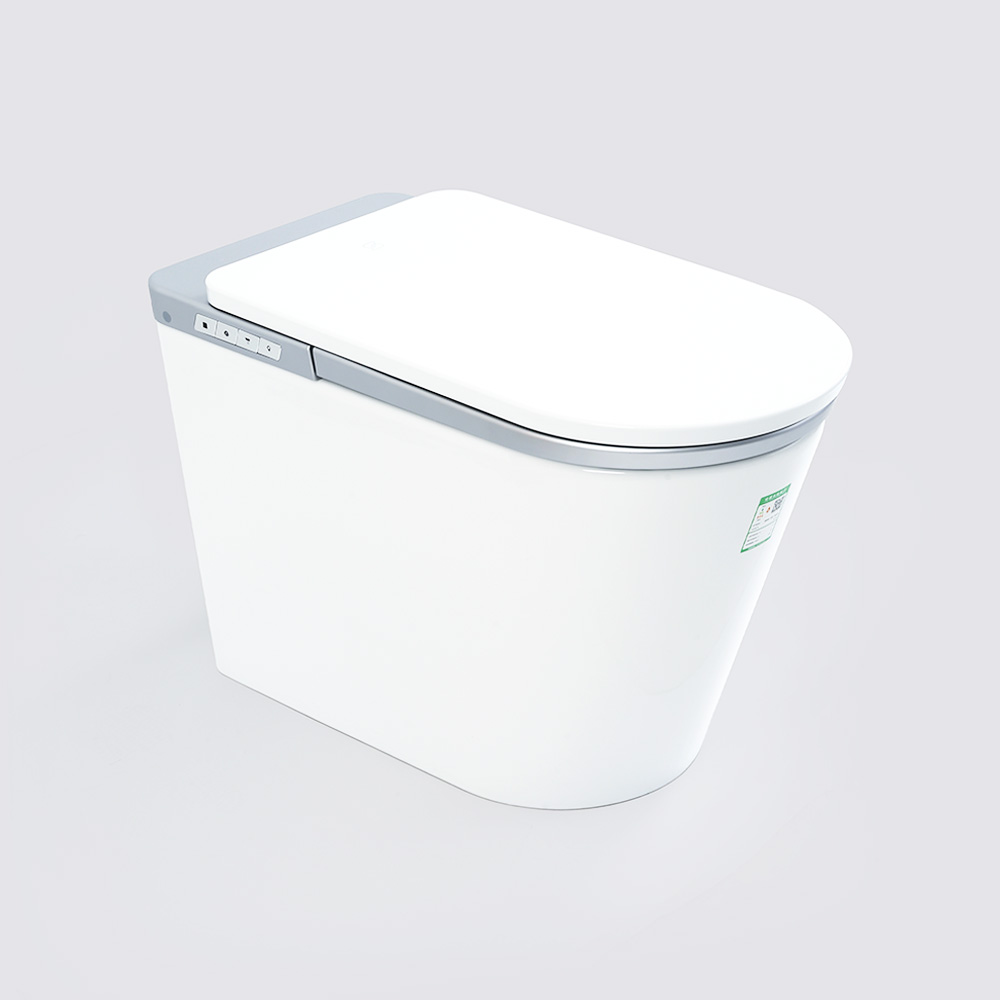
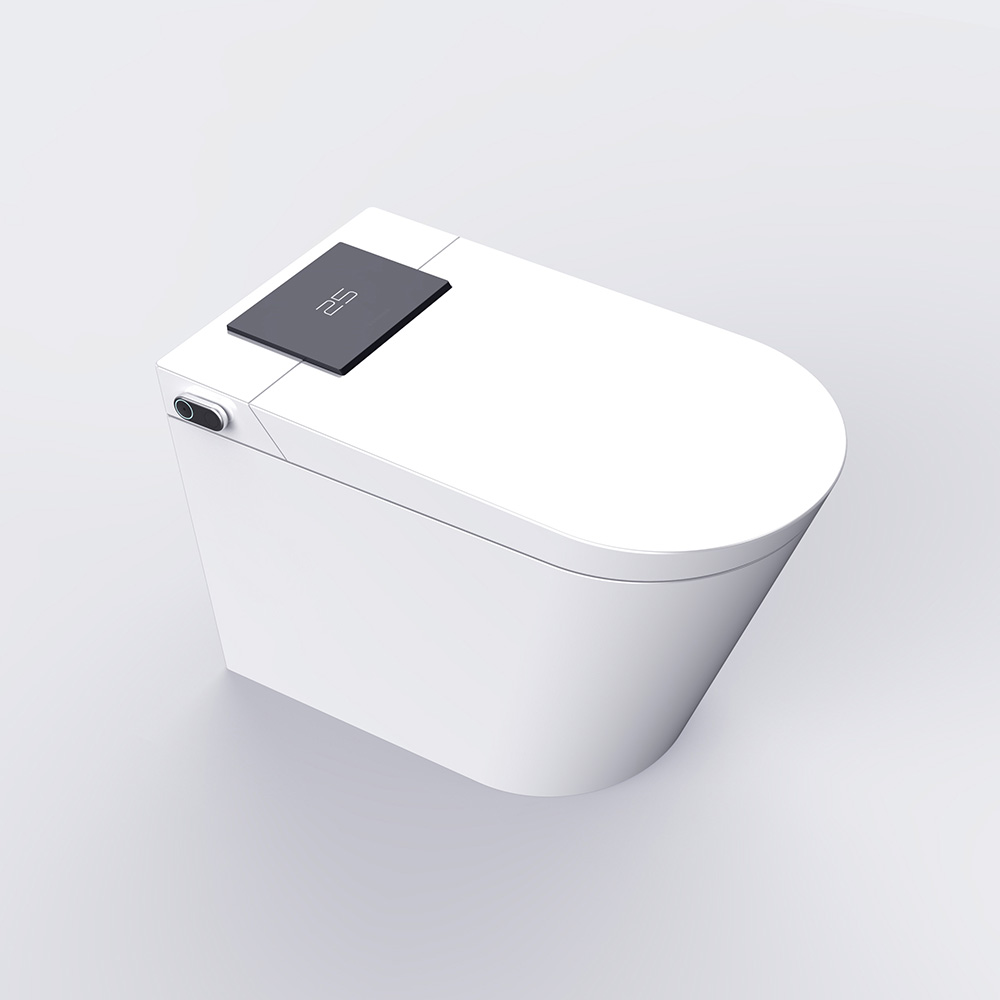
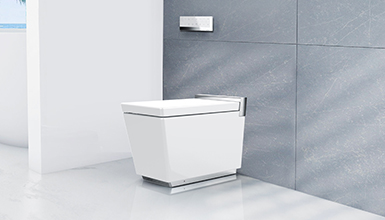
Unlike standard toilets that leave an open gap behind the bowl, a back to wall smart toilet sits flush against the wall surface. There is no hidden space for debris to accumulate. The floor area in front and around the toilet remains fully accessible.
How the installation changes the room layout
A back to wall smart toilet mounts directly against the finished wall. The water tank and plumbing connections are hidden inside a furniture unit or behind a false wall. Only the ceramic bowl remains visible and accessible.
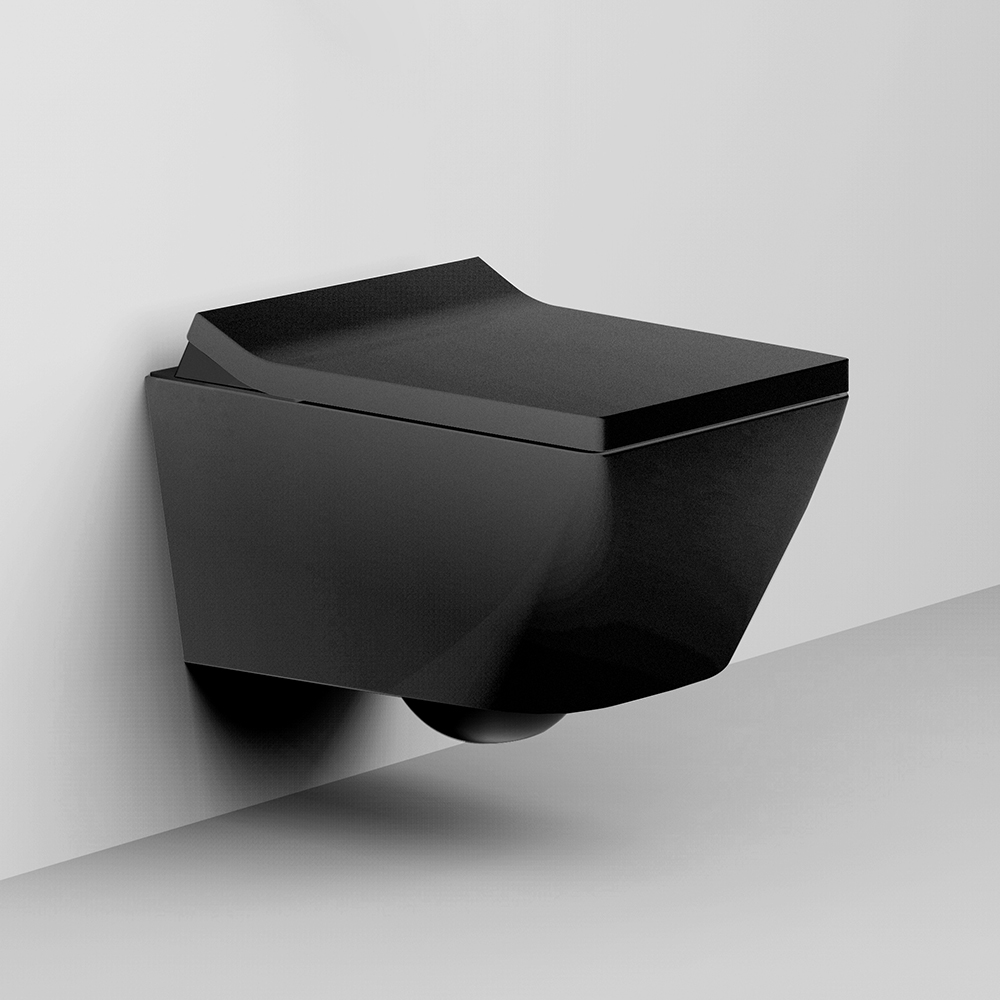
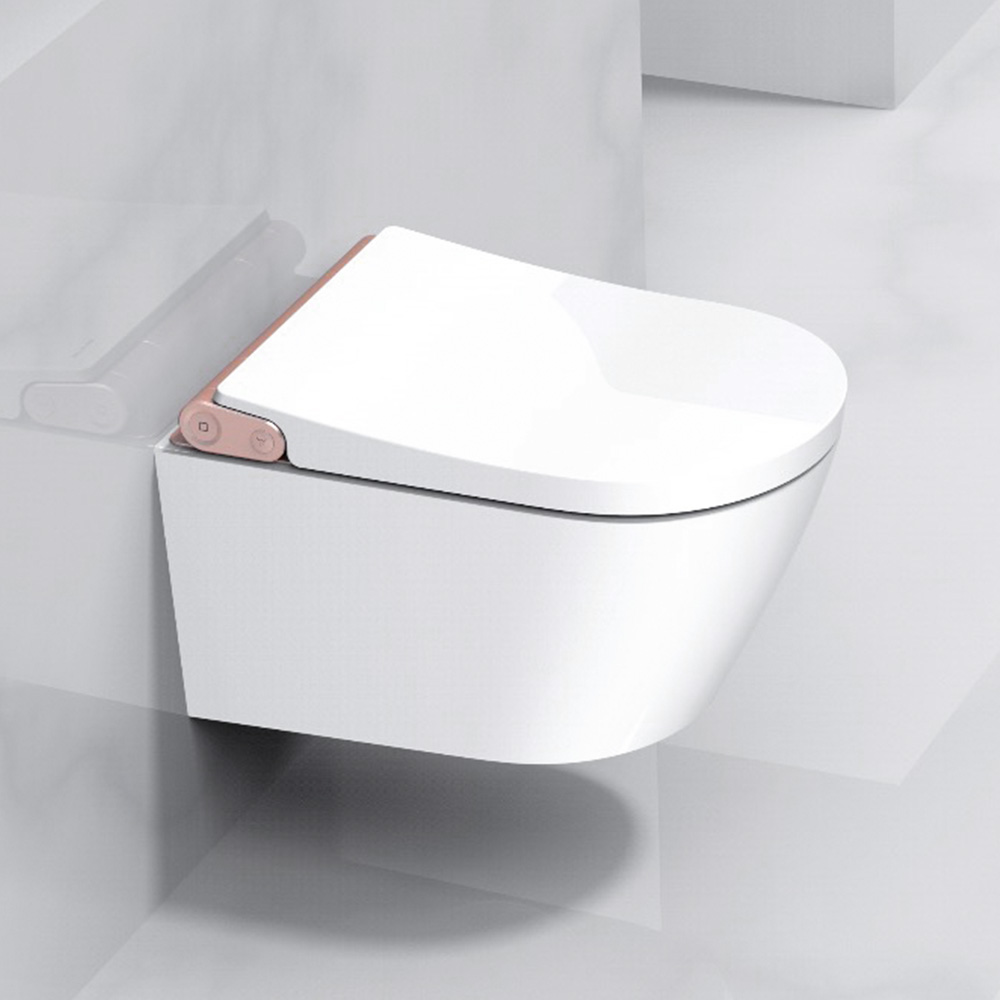
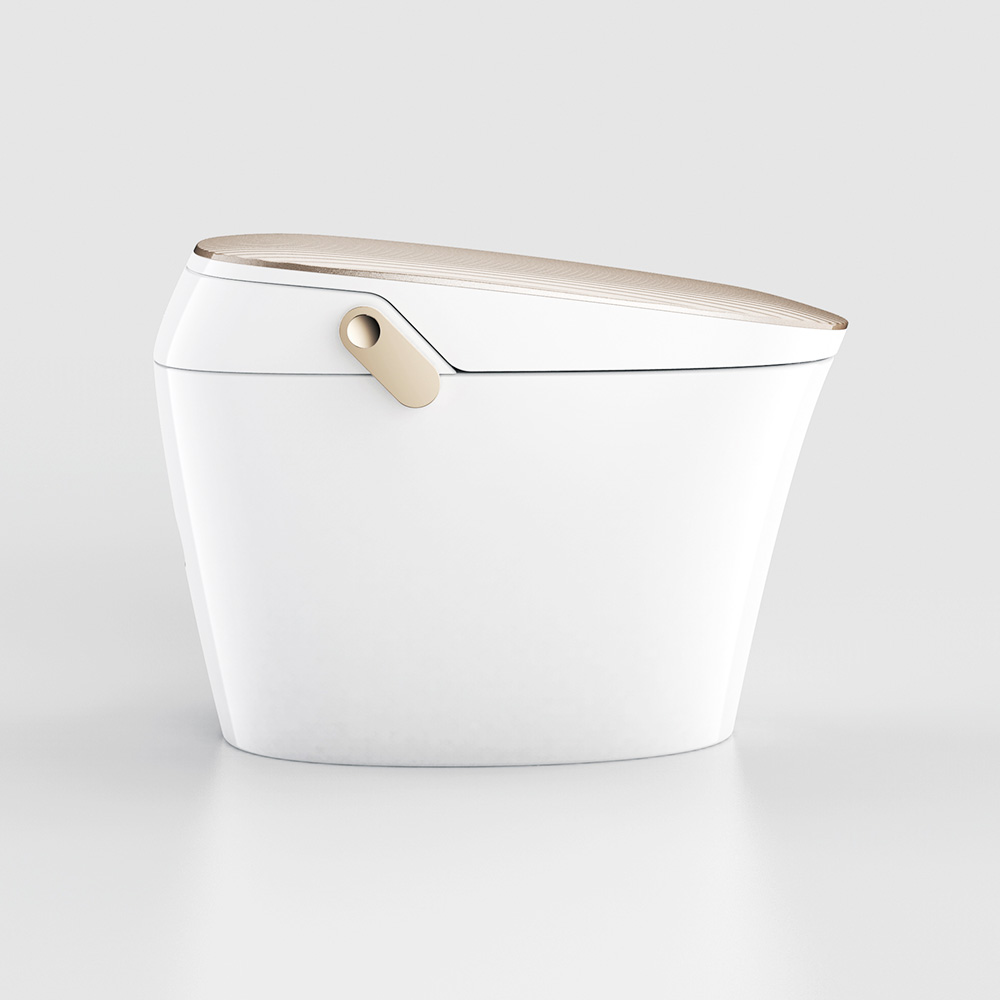
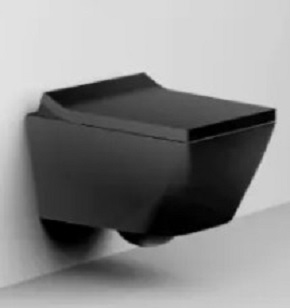
This configuration makes the back to wall smart toilet appear to float slightly above the floor. Some models are fully wall-hung, with no contact with the floor at all. Others sit on the floor but have a flat back that touches the wall completely.
Either way, a back to wall smart toilet eliminates the dirt trap that standard toilets create. A standard toilet typically leaves a gap of 5 to 15 centimeters behind the bowl. That gap is difficult to clean and often ignored. A back to wall smart toilet has no such gap.
Cleaning benefits that matter weekly
The noticeable advantage of a back to wall smart toilet appears during routine cleaning. Mopping becomes a single straight pass from wall to wall. No stopping to navigate around a protruding toilet base. No scrubbing behind the bowl with a separate tool.
For the back to wall smart toilet, the exposed surfaces are limited to the bowl exterior, the seat and lid, and the immediate floor area. All are easy to reach with a standard mop or cloth. The hidden tank and pipes stay clean simply because they are not exposed to bathroom dust and moisture.
Households that switch to a back to wall smart toilet often report spending half as much time on bathroom cleaning. The reduction in awkward corners and hidden surfaces makes a measurable difference.
Visual simplicity and spatial perception
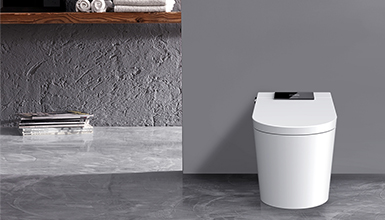
Beyond cleaning, a back to wall smart toilet changes how a bathroom feels. The continuous wall surface creates a cleaner visual line. Small bathrooms appear larger when the toilet does not interrupt the floor-to-wall transition.
A back to wall smart toilet with a wall-hung design also exposes the entire floor surface. This makes the room look more spacious and modern. For architects and interior designers, the back to wall smart toilet is a preferred choice for contemporary bathrooms precisely because it reduces visual clutter.
What to know about installation
Installing a back to wall smart toilet requires more planning than a standard toilet. The wall must accommodate a carrier frame or in-wall tank system. This is typically done during renovation or new construction.
For a back to wall smart toilet, the rough-in stage determines everything. The carrier frame mounts to the floor and wall studs before the finished wall goes up. Once the wall is tiled or paneled, the toilet bowl attaches to the frame through the wall surface.
Retrofitting a back to wall smart toilet into an existing bathroom is possible but more involved. It usually requires breaking into the wall to install the carrier frame, then repairing the finished surface. For many homeowners, this is worthwhile for the long-term cleaning benefits.
Maintenance access considerations
Some buyers worry that a back to wall smart toilet hides components that might need repair. This concern is valid but manageable. Quality in-wall tank systems include removable access panels. These panels are typically located above the toilet bowl or on the opposite side of the wall.
For the back to wall smart toilet, the flush actuator plate often doubles as a service opening. Removing the plate reveals the tank connections and valve components. Most maintenance tasks can be performed through this opening without demolishing the wall.
Electronic components of a back to wall smart toilet follow the same principle. Control boxes and power supplies are accessible through the same service openings. A well-designed back to wall smart toilet balances aesthetic cleanliness with practical repairability.
Weight and structural requirements
A wall-hung back to wall smart toilet requires a carrier frame rated for the user weight. Most systems support 200 to 400 kilograms, which is sufficient for standard residential use. The toilet bowl itself weighs about 35 to 40 kilograms.
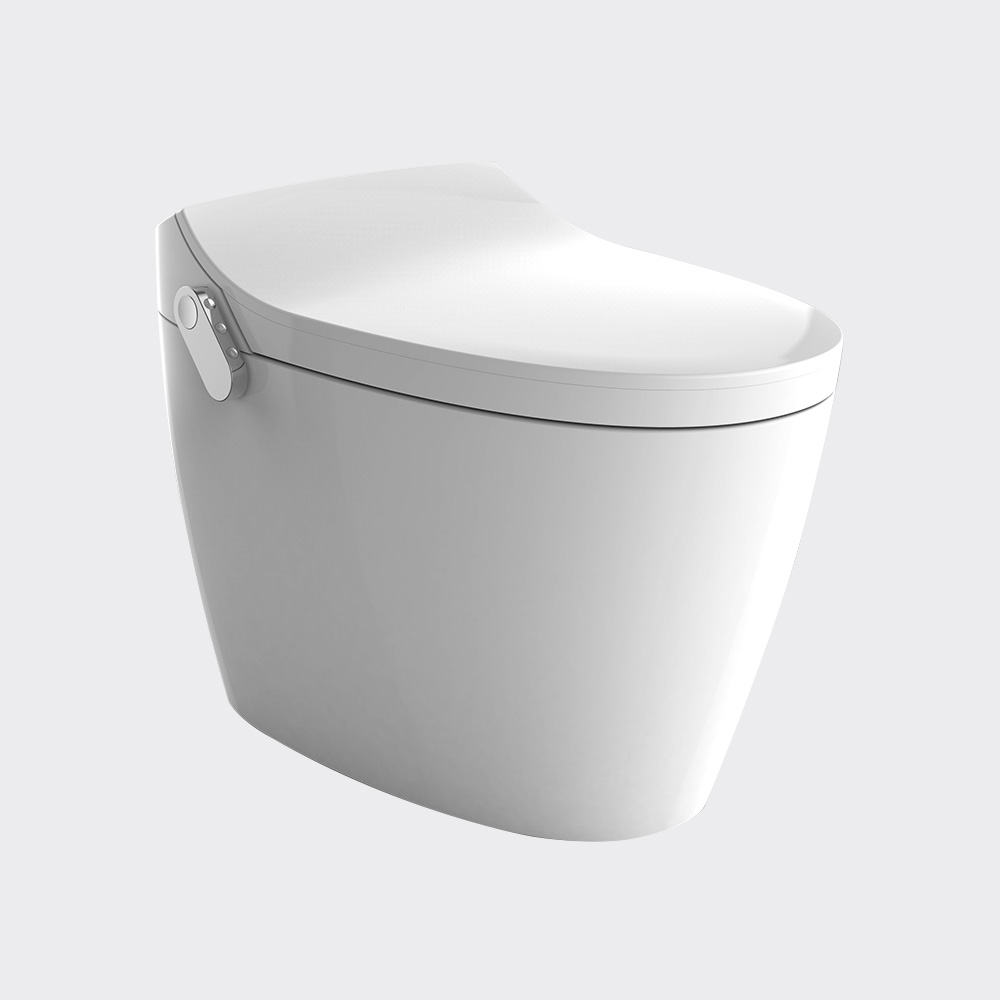
Floor-mounted back to wall smart toilet models have simpler structural requirements. The toilet sits on the floor like a standard unit but with the back touching the wall. These are easier to install in existing bathrooms because no in-wall carrier is needed.
Copyright © Seewin Technology (Zhejiang) Co., Ltd.All Rights Reserved.
Customized Functional Electric Smart Toilet Factory

 English
 中文简体
中文简体 русский
 Français
 Español
 عربى
عربى Türk
Türk