
Jul 10,2026
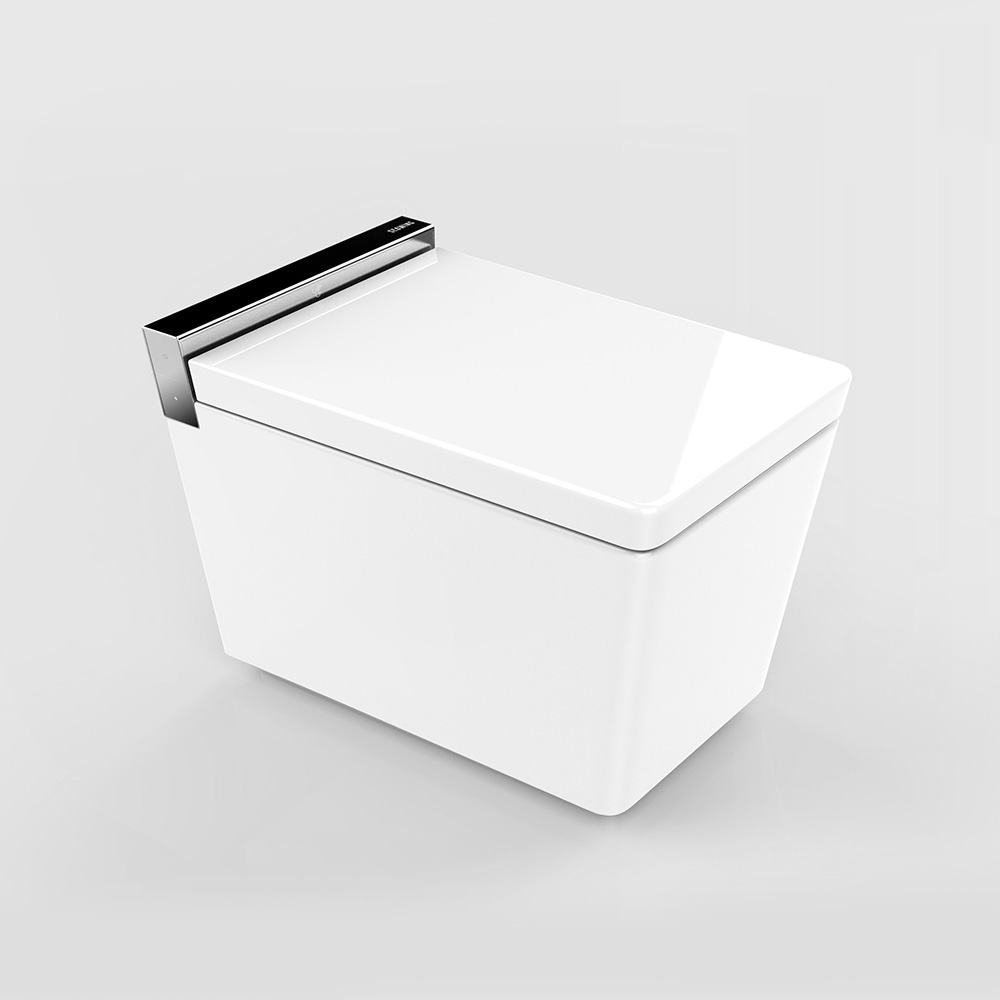
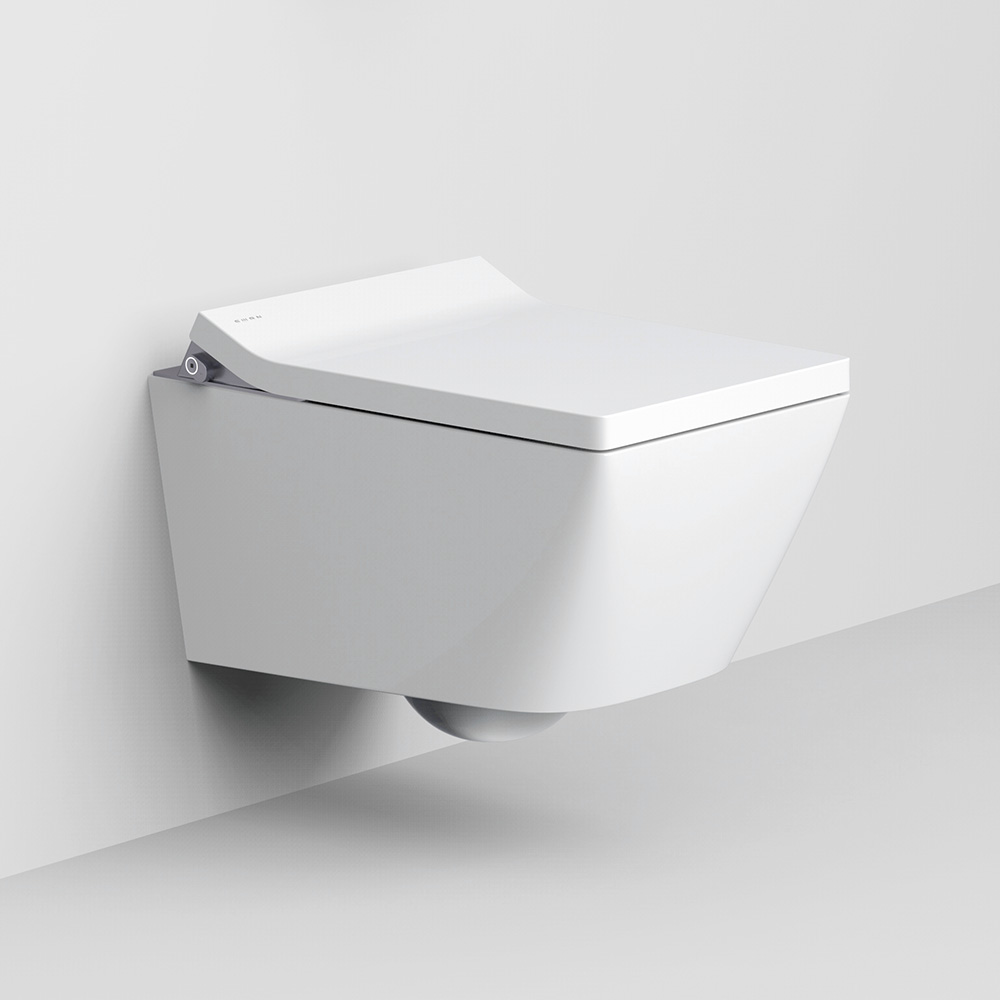
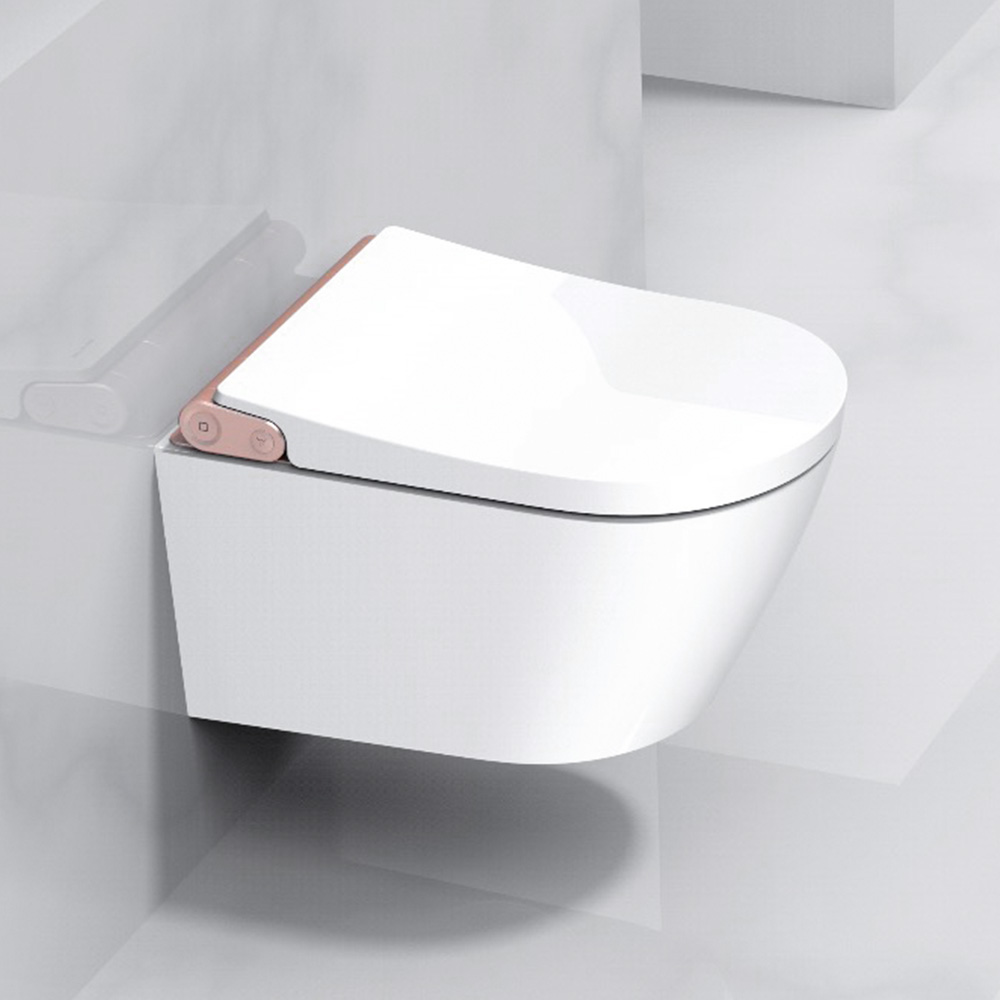
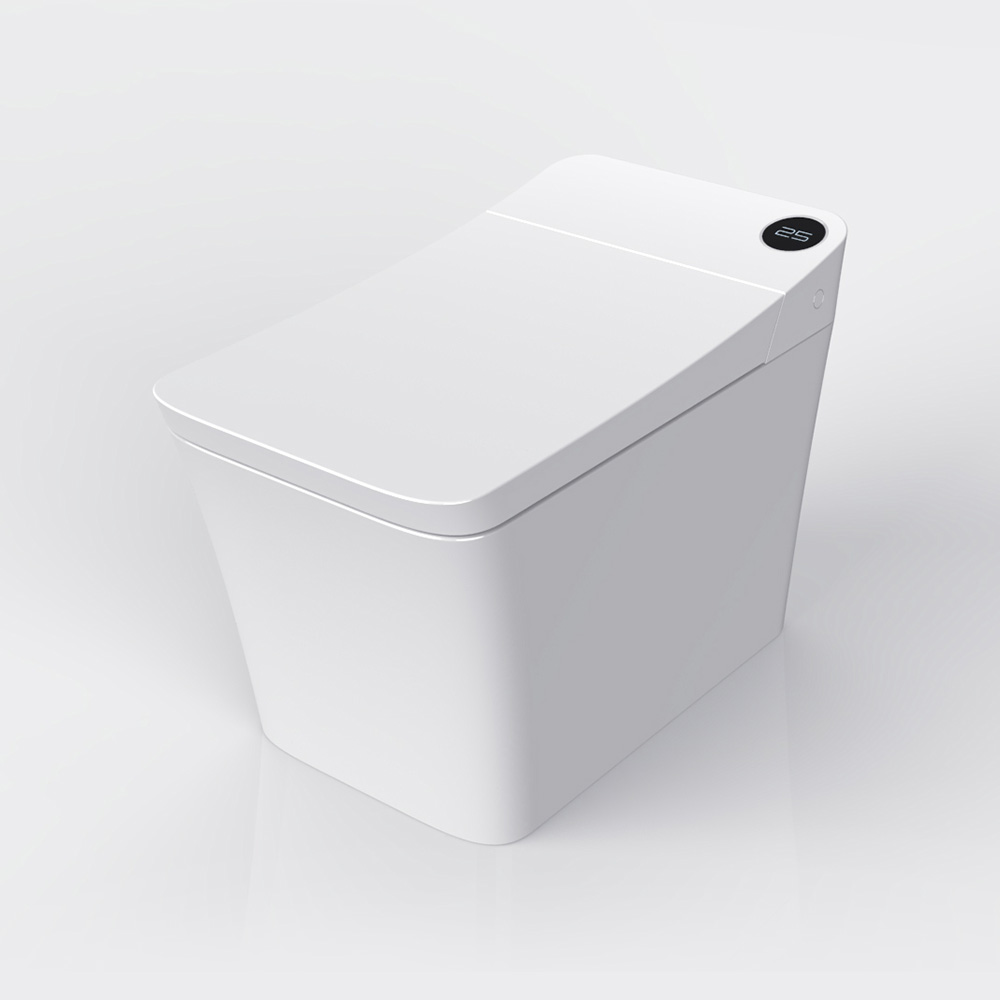
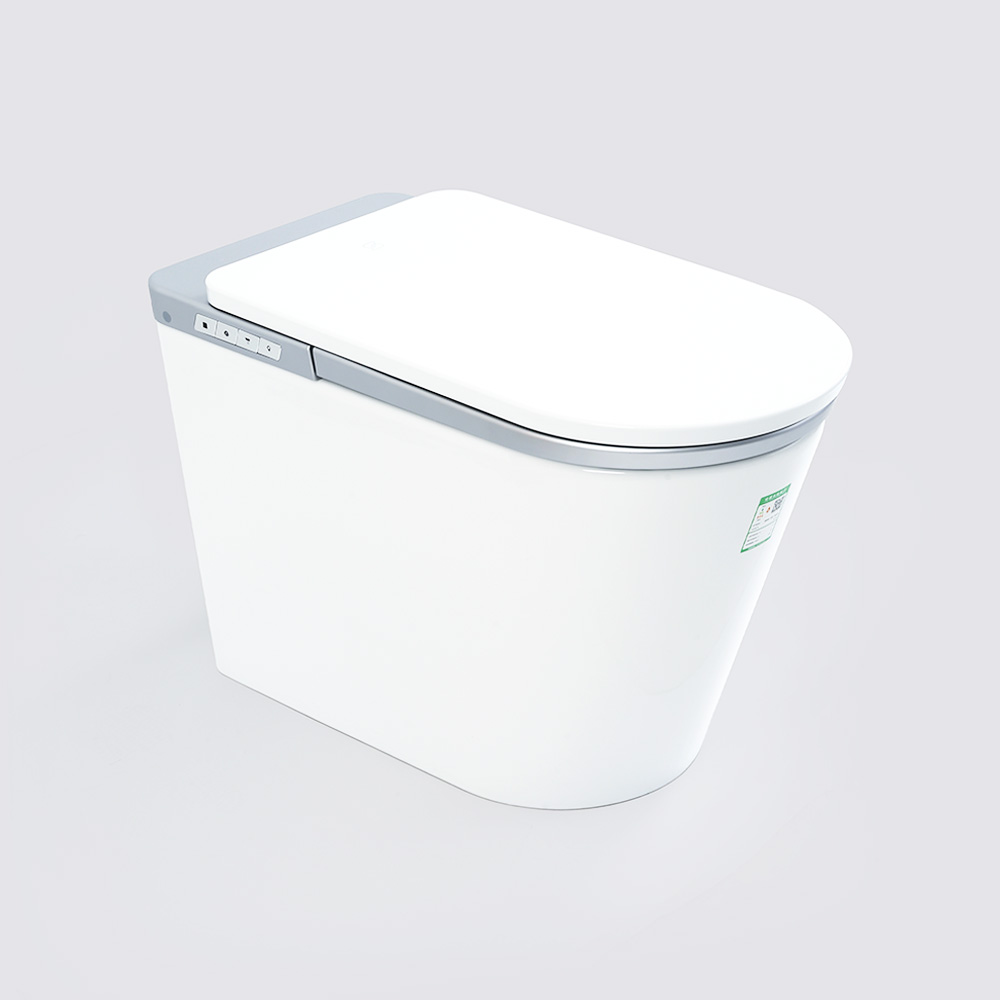
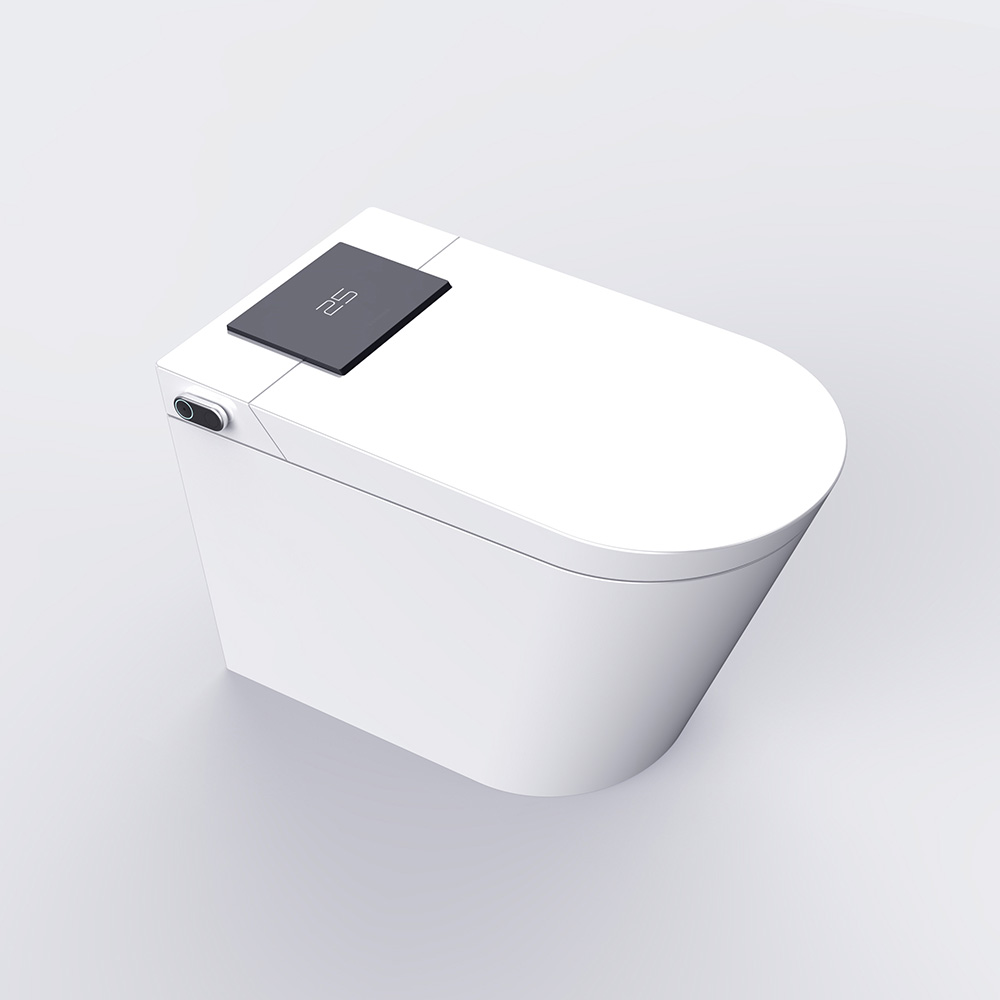
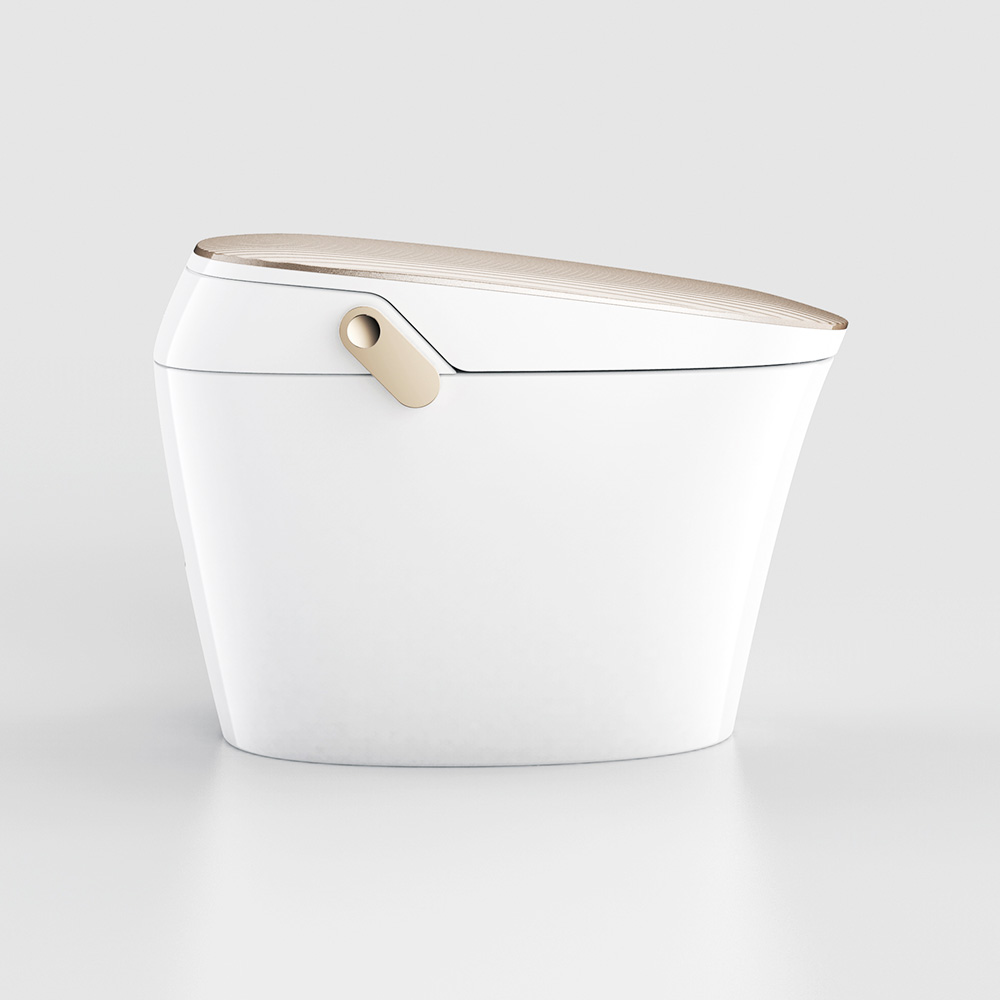
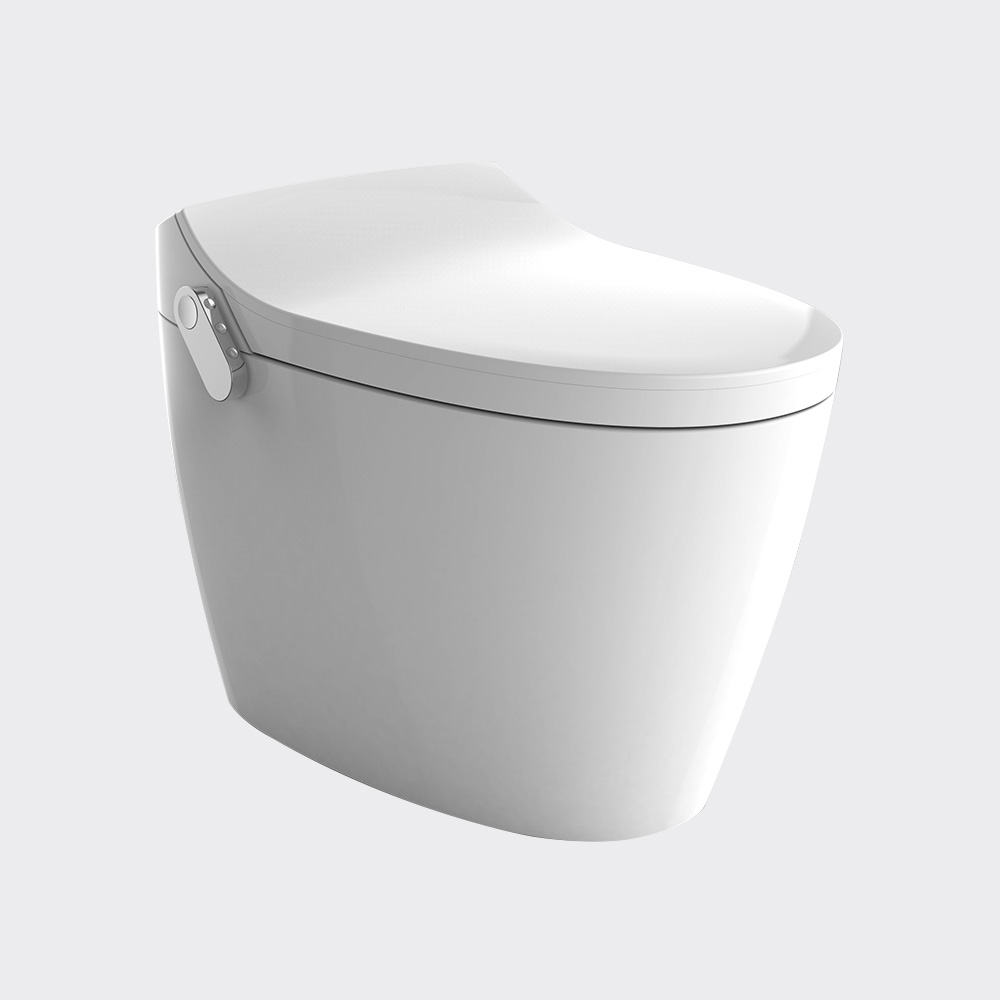
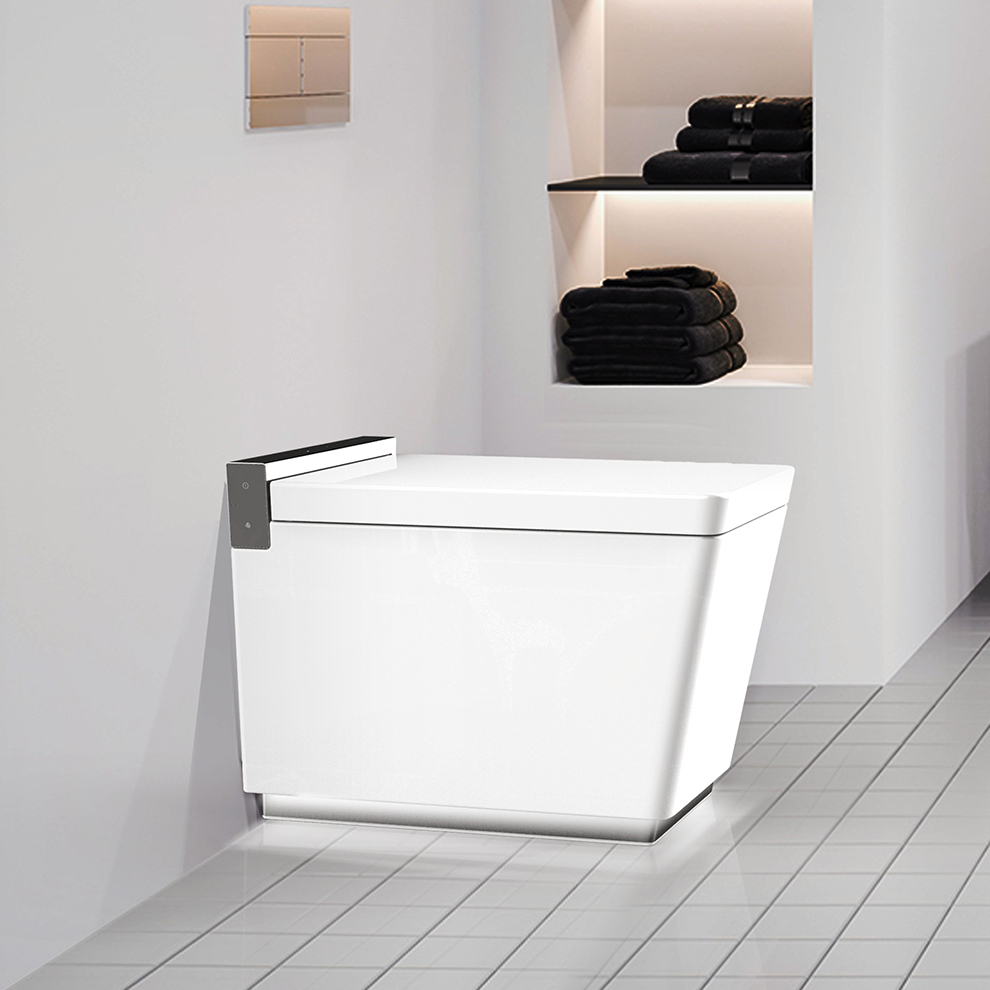
An Automatic Flip Smart Toilet Seat is becoming part of a wider change in bathroom design, where daily actions are gradually shifting from manual operation toward sensor-based interaction. In residential projects, hotels, offices, and commercial buildings, bathroom planners are paying more attention to how users move through the space rather than only selecting individual fixtures.
Modern intelligent toilets are increasingly designed around touch-free operation, including automatic lid movement and sensor-based functions that reduce unnecessary contact during everyday use.
Another phrase frequently used during bathroom planning is smart toilet seat, especially when architects and contractors discuss upgrading traditional bathrooms with connected functions.
Bathroom Habits Are Changing Slowly
Most bathroom actions happen automatically because users follow familiar routines.
Walking toward the toilet.
Opening the lid.
Adjusting settings.
Cleaning after use.
Closing the seat.
These small movements repeat thousands of times each year.
An Automatic Flip Smart Toilet Seat changes this routine by removing some manual steps from the process. Instead of reaching for the cover every time, users interact with the bathroom through sensors and preset functions.
For families, the change may appear small.
For commercial facilities, repeated daily usage creates a different impact.
Hotels, offices, and public buildings often consider how many times a fixture is touched during normal operation because maintenance teams manage many users instead of one household.
Public Spaces Create Different Requirements
A private bathroom usually follows one family's habits.
A hotel bathroom receives different guests every day.
An office restroom serves employees with different schedules.
These environments create different expectations for bathroom equipment.
When selecting a smart toilet seat, facility managers often review user flow, cleaning routines, and maintenance frequency together.
An Automatic Flip Smart Toilet Seat is not evaluated only by the technology inside the seat. Installation planning also involves surrounding space, power arrangement, cleaning access, and long-term operation.
Maintenance teams usually focus on practical questions.
How often does the sensor activate?
Does the mechanism respond consistently?
Is cleaning access convenient?
These daily observations become part of facility management records.
Small Actions Affect User Experience
Users rarely describe every step they take inside a bathroom.
They simply notice when something feels natural.
A lid opens when approaching.
A seat returns after use.
The next person enters without touching the previous user's contact points.
These moments form the overall impression of an intelligent bathroom.
During product evaluation, an Automatic Flip Smart Toilet Seat is often observed through repeated usage rather than a single demonstration.
Engineers and installers pay attention to movement timing, user distance, and operating frequency because real environments create more variation than showroom testing.
The related smart toilet seat category continues developing around these everyday interactions instead of focusing only on additional functions.
Installation Teams Consider Long-Term Use
Bathroom projects involve more than choosing fixtures.
Construction schedules.
Electrical planning.
Water connections.
Future maintenance.
All need coordination before installation begins.
For contractors, an Automatic Flip Smart Toilet Seat becomes one part of a larger bathroom system.
Installation teams often prepare notes during project completion.
sensor function checked
electrical connection confirmed
lid movement tested
cleaning access reviewed
These records help maintenance workers understand the condition of installed equipment months later.
Intelligent Bathrooms Follow Real Usage
Technology becomes meaningful only after entering daily life.
A sensor may activate hundreds of times during normal operation.
A lid mechanism may repeat the same movement every day.
A cleaning team may interact with the unit during every maintenance cycle.
These repeated actions create the actual operating environment of an Automatic Flip Smart Toilet Seat.
As residential and commercial spaces continue upgrading bathroom facilities, designers and facility managers increasingly evaluate the smart toilet seat through real usage patterns, maintenance records, and user movement rather than only through technical descriptions. The bathroom gradually becomes another area where automation follows ordinary human habits instead of changing them completely.
Copyright © Seewin Technology (Zhejiang) Co., Ltd.All Rights Reserved.
Customized Functional Electric Smart Toilet Factory

 English
 中文简体
中文简体 русский
 Français
 Español
 عربى
عربى Türk
Türk