
Aug 28,2026
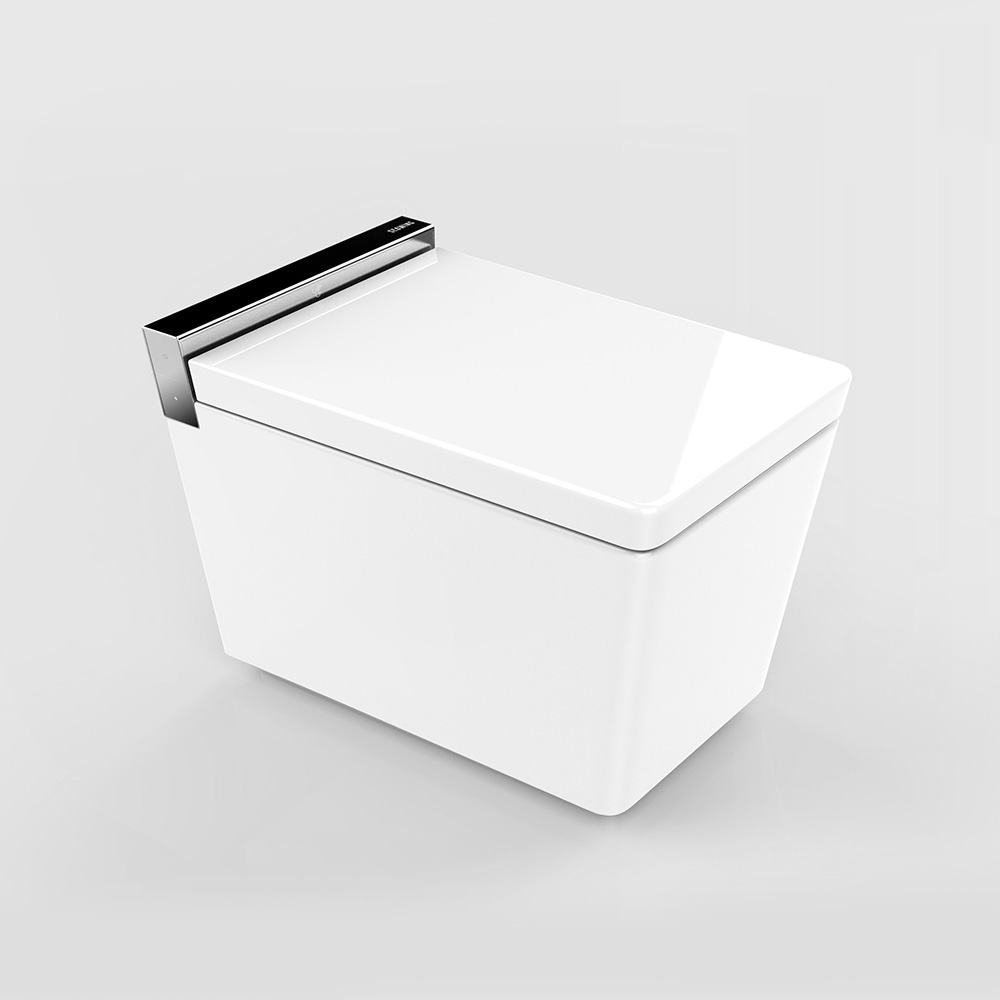
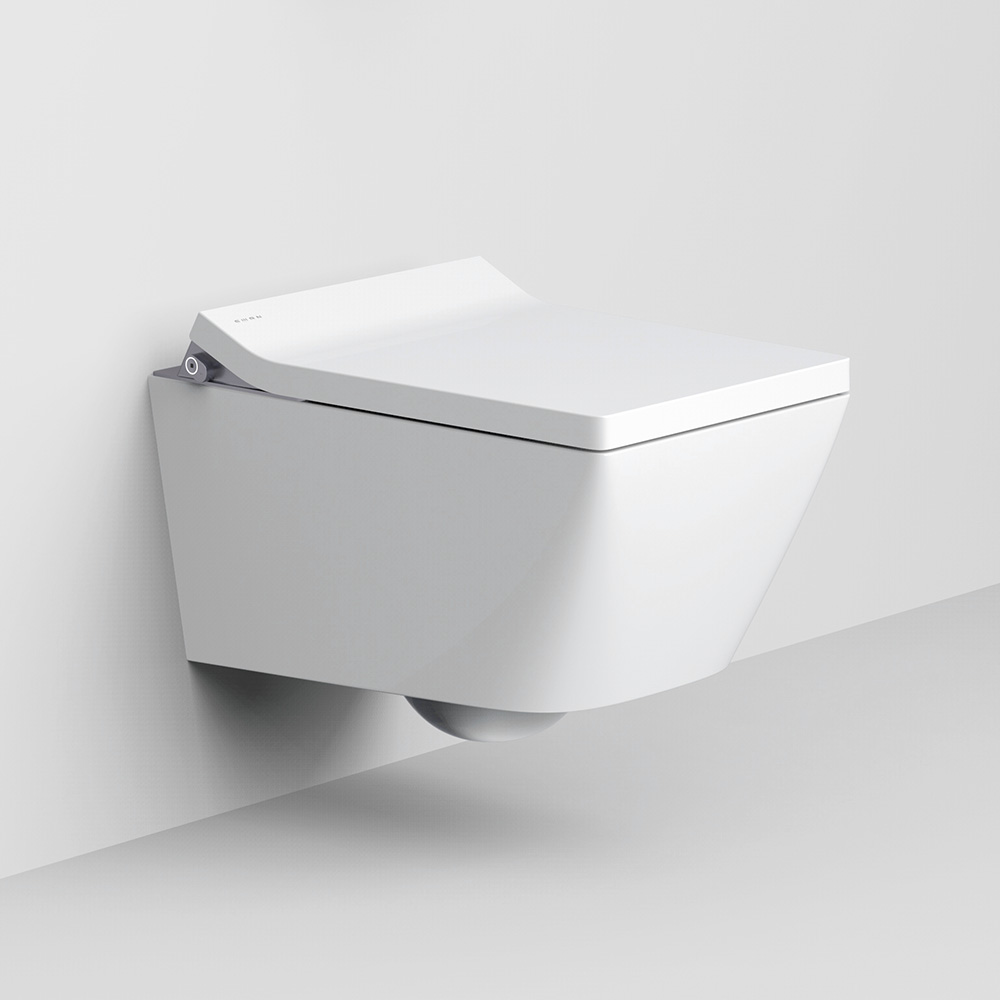
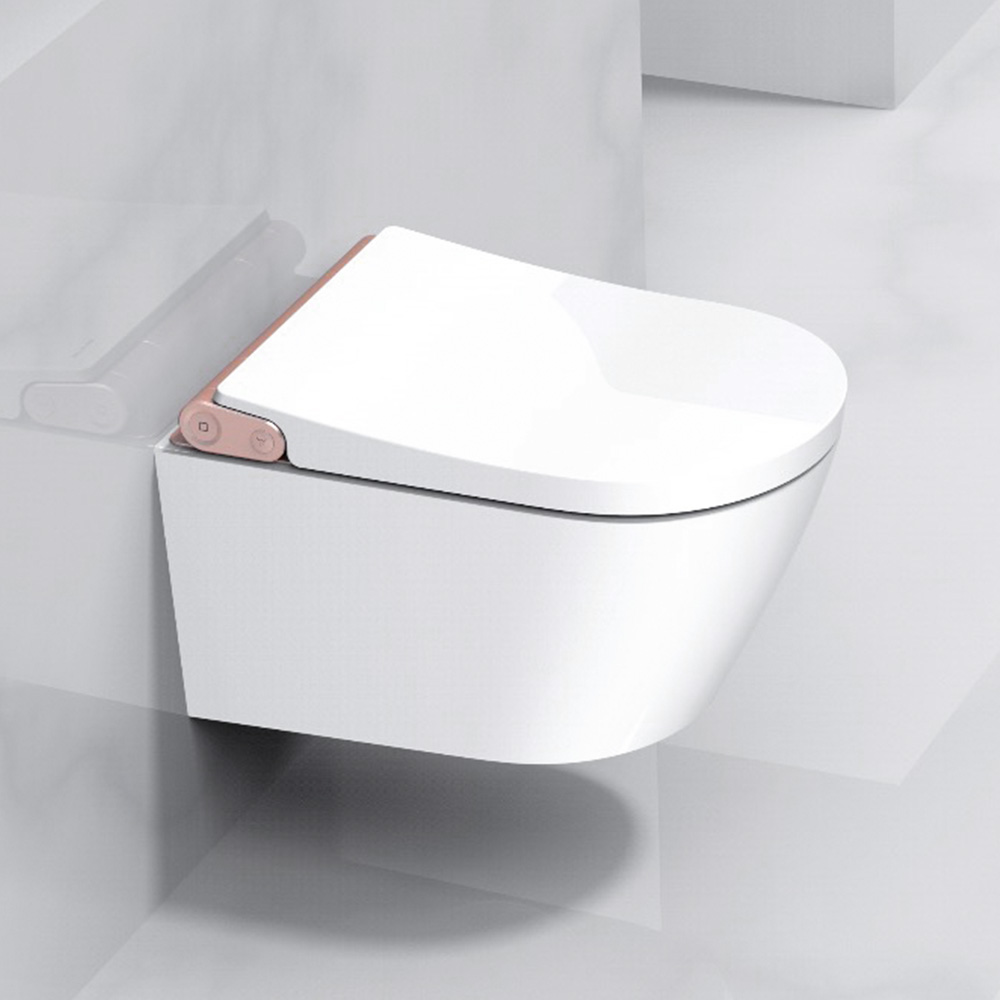
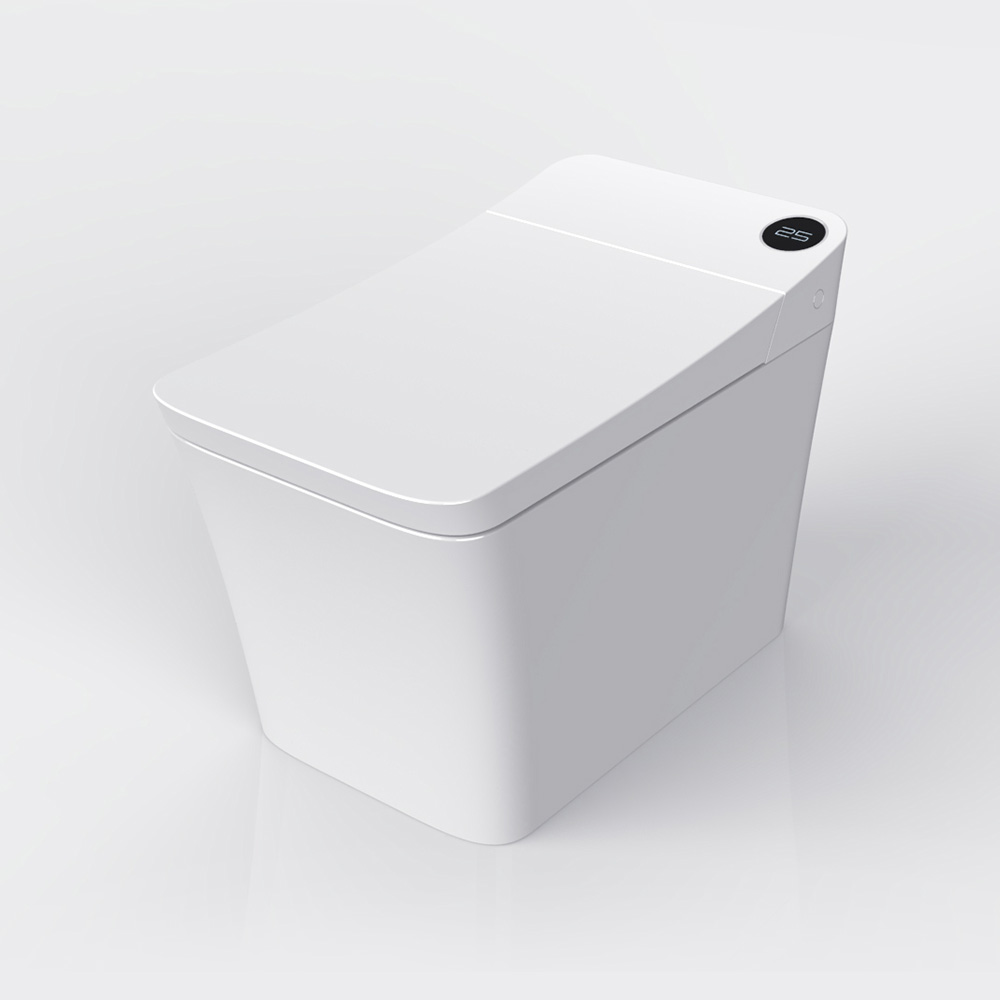
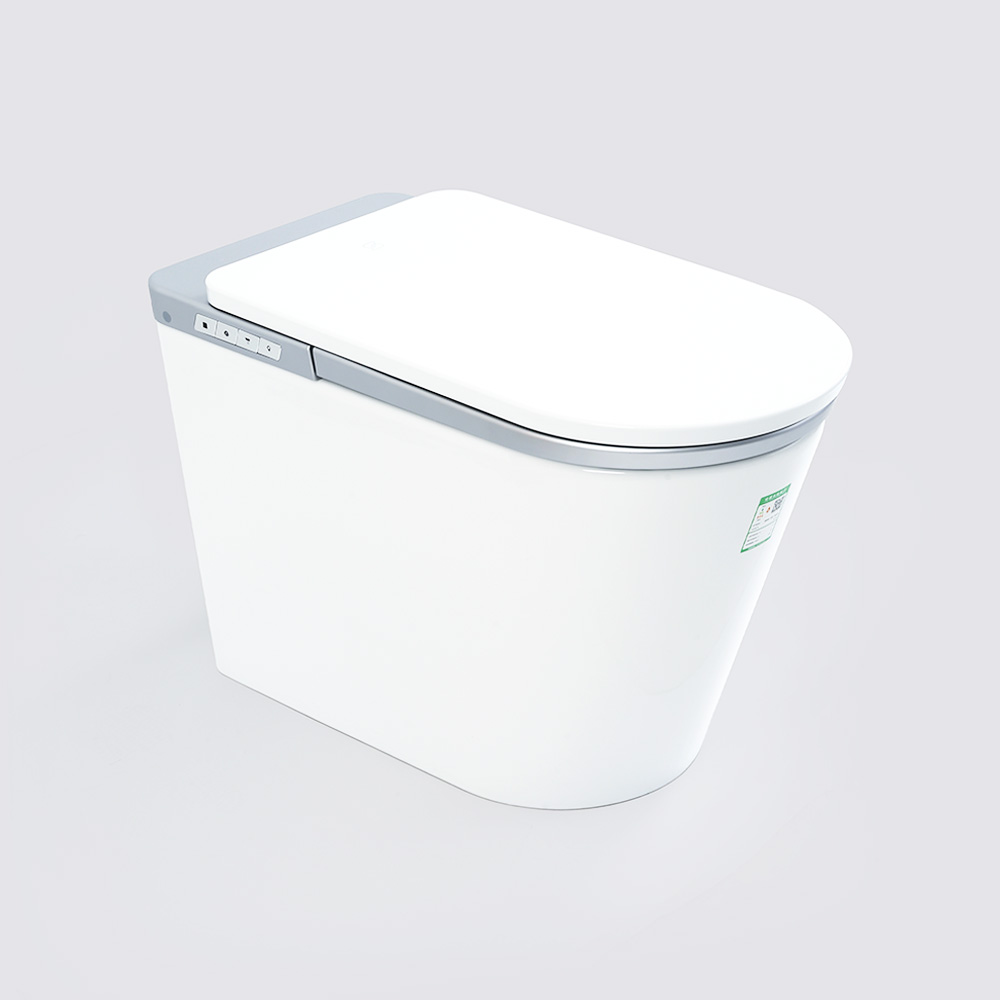
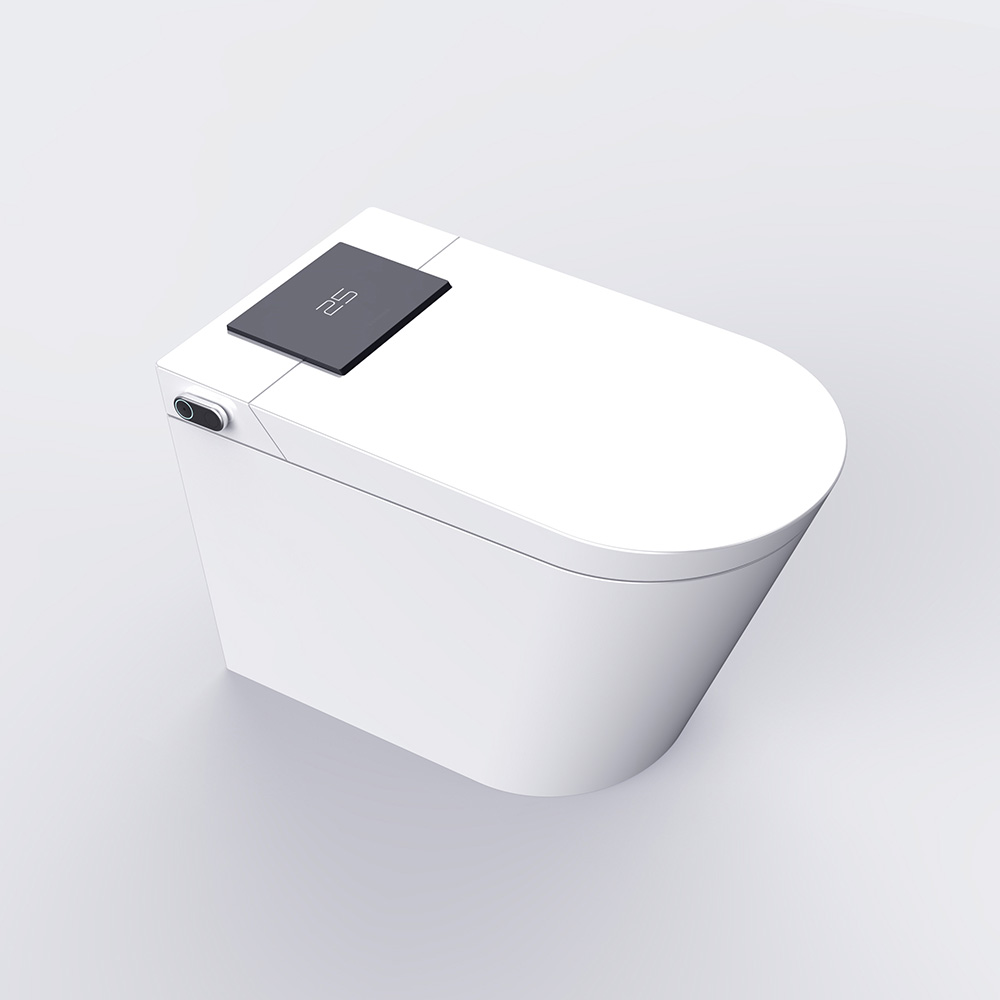
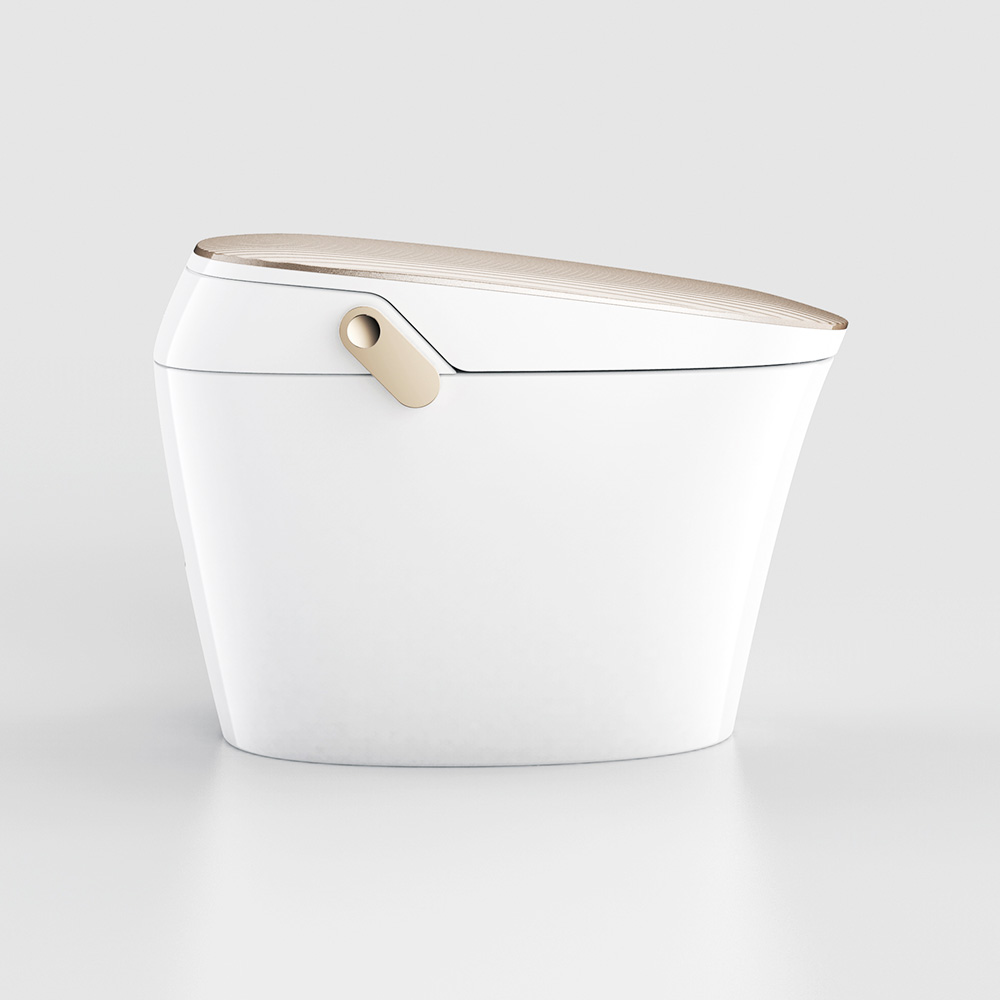
Water consumption per flush is one of the few specifications buyers can directly compare across suppliers using a single number, yet the engineering behind that number gets far less attention than app features or wash modes. Water smart toilets built around a siphon flushing system achieve their water savings through the flush mechanism itself, not through a smaller tank or a weaker flush that simply uses less water at the cost of performance. Buyers who only compare the published liters-per-flush figure across suppliers, without asking how that figure was achieved, can end up specifying a unit that saves water on paper but underperforms on actual waste clearance.
A siphon flush works by creating a vacuum effect that pulls waste through the trapway rather than relying purely on gravity and water volume to push it through, which is the core mechanical difference behind why water smart toilets using this system can flush effectively with less water than a straight gravity-fed design. The trapway shape and diameter directly affect how reliably the siphon effect forms, so two units both labeled "siphon flush" can still perform differently depending on how precisely the trapway geometry is engineered and tested during development.
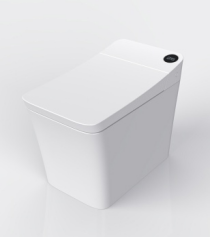
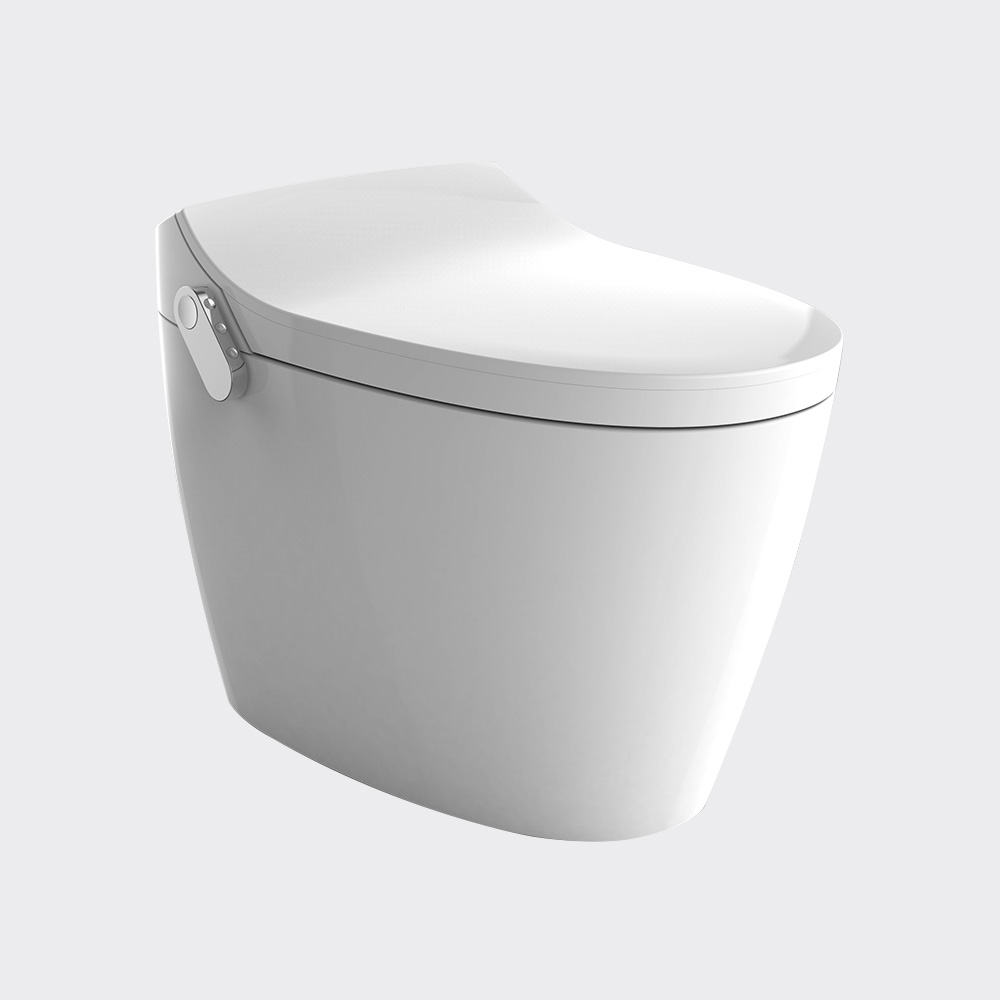
Many water smart toilets in this category ship with a tankless design, instead drawing directly from the building's water supply line for each flush cycle. This removes the standing water volume a tank would normally hold, but it also means flush pressure depends more heavily on incoming line pressure and the internal pump or valve system regulating flow during each cycle. Buyers sourcing tankless units for regions with variable water pressure should confirm the unit includes pressure regulation, since a design tuned for consistent municipal pressure may underperform on installations with weaker or fluctuating supply.
Installation compatibility depends heavily on trapway configuration, and a large share of water smart toilets in this product line use an S-trap design suited to floor-mounted installation with a vertical drain connection, as opposed to a P-trap design built for wall-mounted drainage. Roughing-in distance, the measurement from the wall to the center of the drain outlet, typically falls in a standard range but should always be confirmed against the specific installation site before ordering, since a mismatch at this stage is one of the more disruptive errors to correct after ceramic units have already shipped.
|
Approach |
Siphon Flush (Tankless) |
Standard Gravity Flush (Tanked) |
Dual-Flush Gravity System |
|
Water source per flush |
Direct line supply |
Stored tank volume |
Stored tank volume |
|
Typical water efficiency |
High, vacuum-assisted clearing |
Moderate, depends on tank volume |
Moderate to high, depends on mode used |
|
Flush consistency |
Depends on line pressure and valve regulation |
Consistent regardless of line pressure |
Consistent regardless of line pressure |
|
Installation flexibility |
Requires stable water pressure |
More forgiving of variable pressure |
More forgiving of variable pressure |
|
Common use case |
New installations with reliable supply |
Renovation or variable-pressure sites |
Markets prioritizing user-selectable savings |
Automatic flush triggered by a departure sensor is a common feature paired with water smart toilets, since it removes the risk of a user forgetting to flush while still keeping each cycle tied to a single measured water volume rather than allowing repeated manual flushing. Buyers should confirm the sensor delay before flush triggers is calibrated appropriately, since a system that flushes too quickly after the user stands can waste water on incomplete use, while a system with too long a delay defeats the hygiene purpose the automatic function is meant to serve. A supplier able to walk buyers through how the sensor timing was tuned during development, rather than treating it as a fixed default across every water smart toilets model in the lineup, gives a clearer signal that the water-saving claim was engineered deliberately rather than arrived at by accident.
Copyright © Seewin Technology (Zhejiang) Co., Ltd.All Rights Reserved.
Customized Functional Electric Smart Toilet Factory

 English
 中文简体
中文简体 русский
 Français
 Español
 عربى
عربى Türk
Türk