
Aug 21,2026
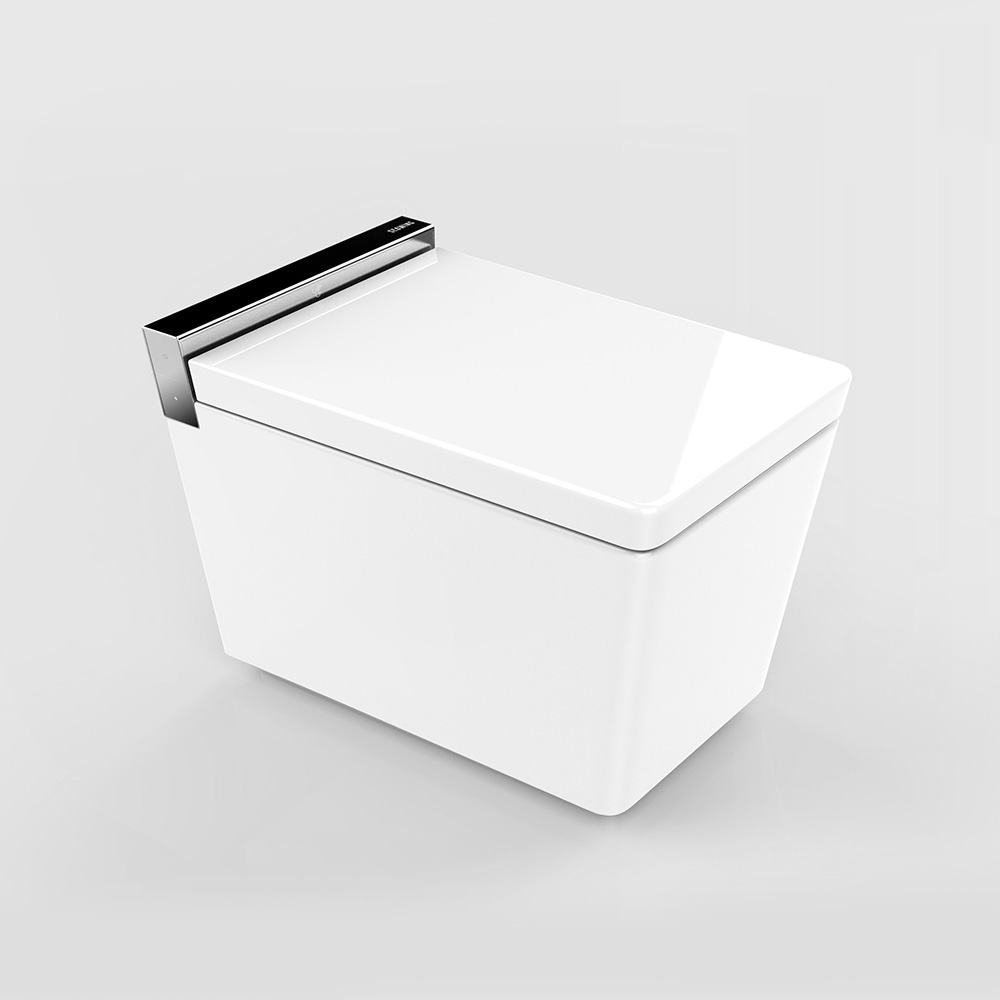
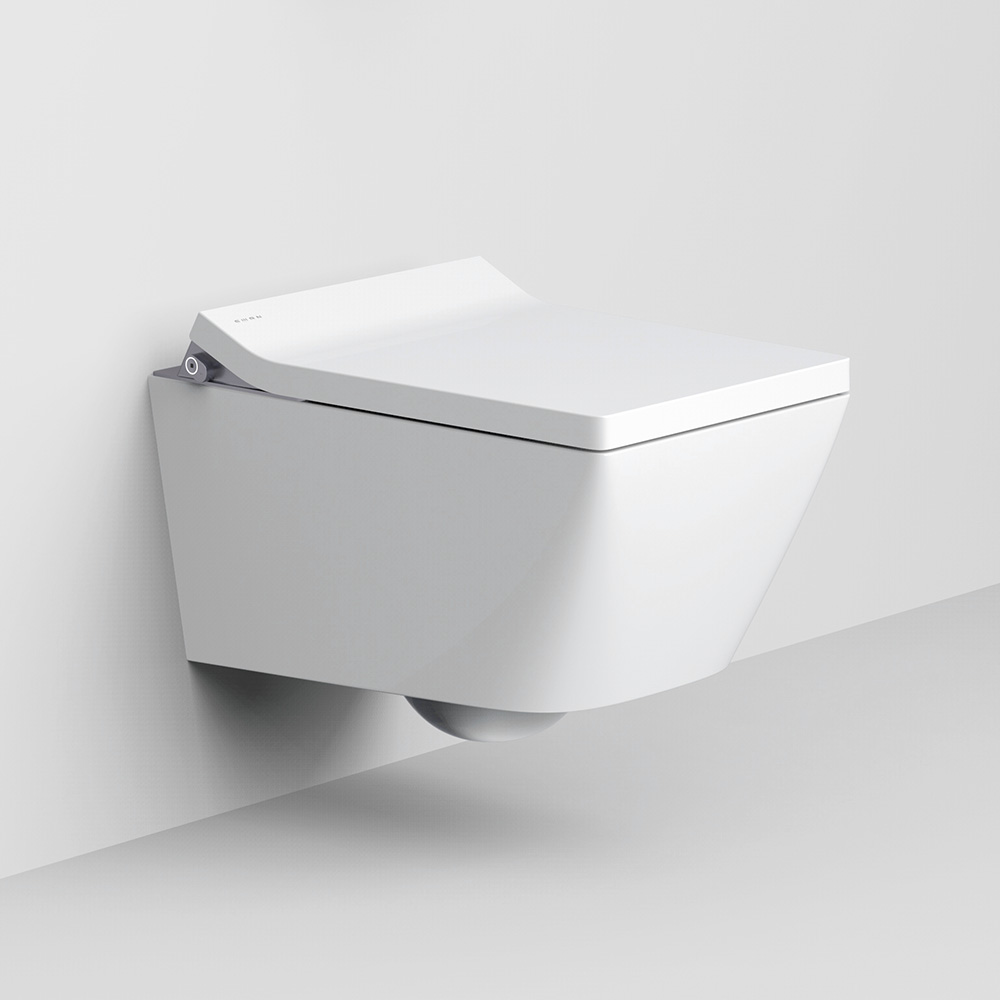
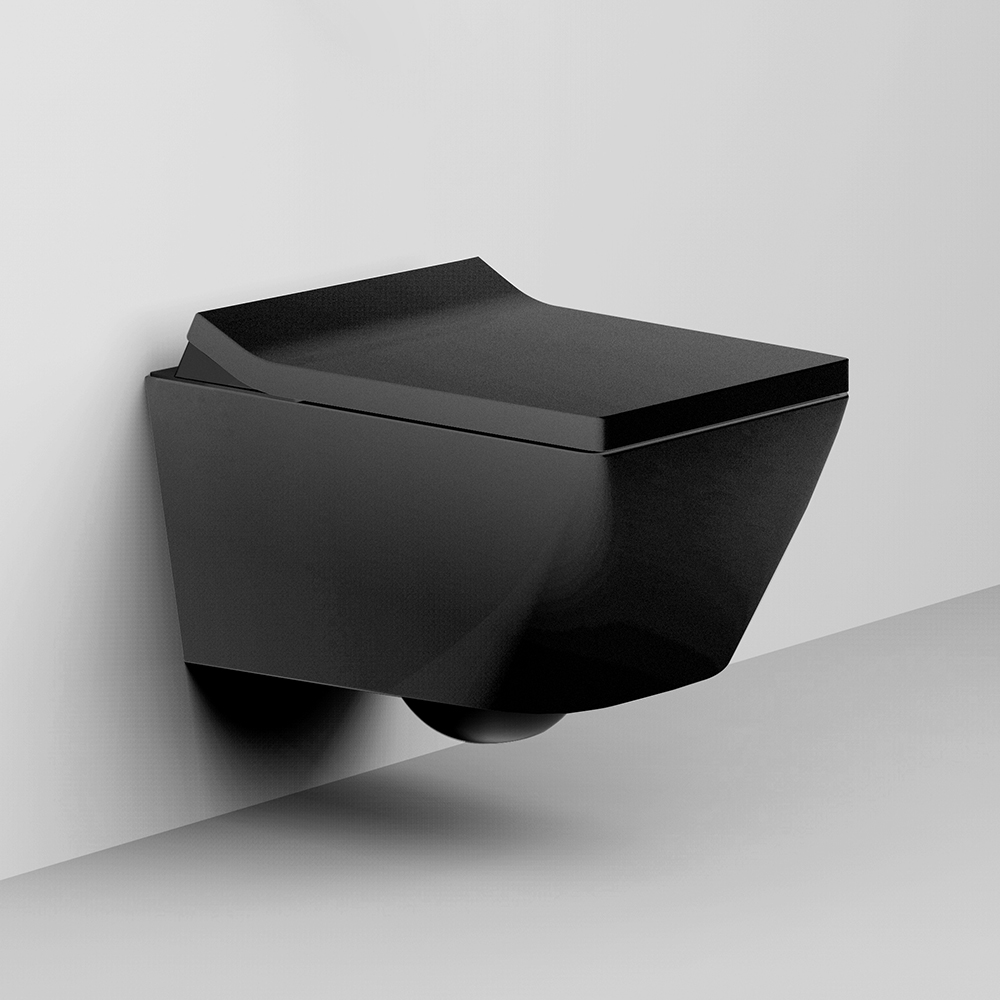
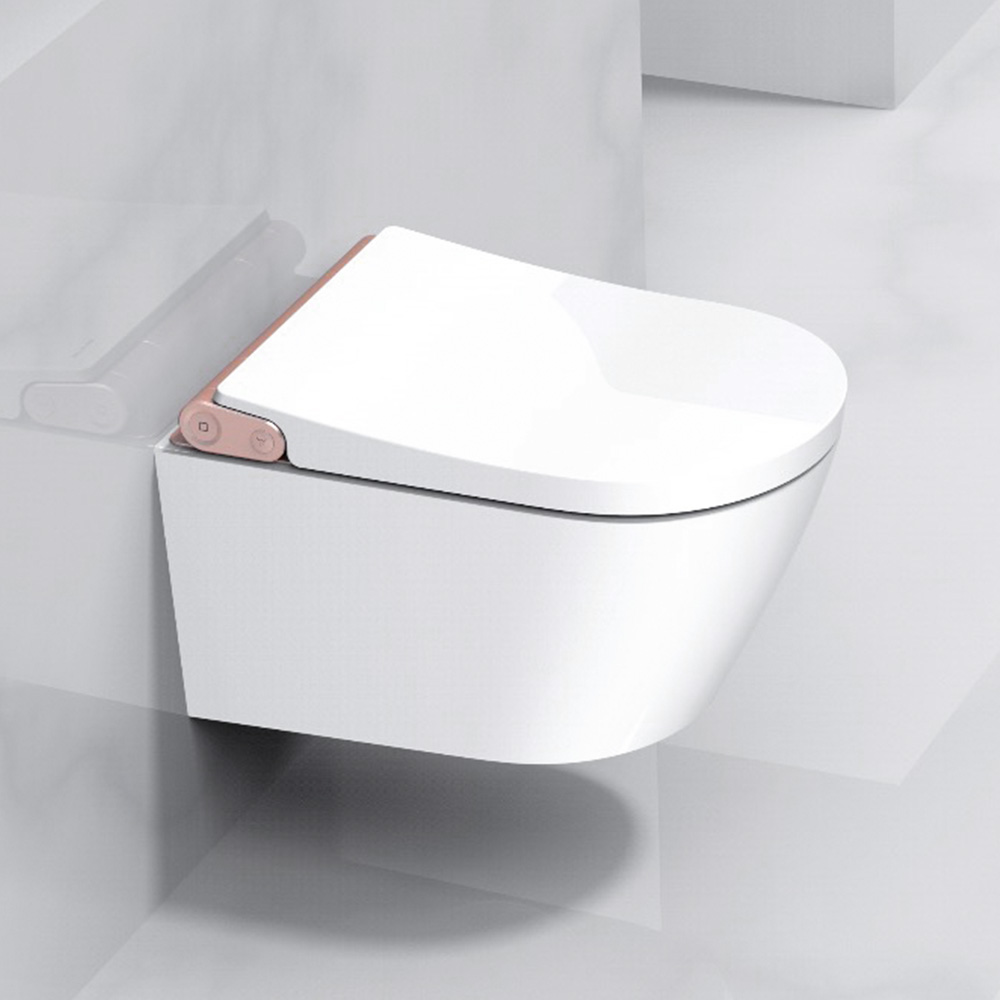
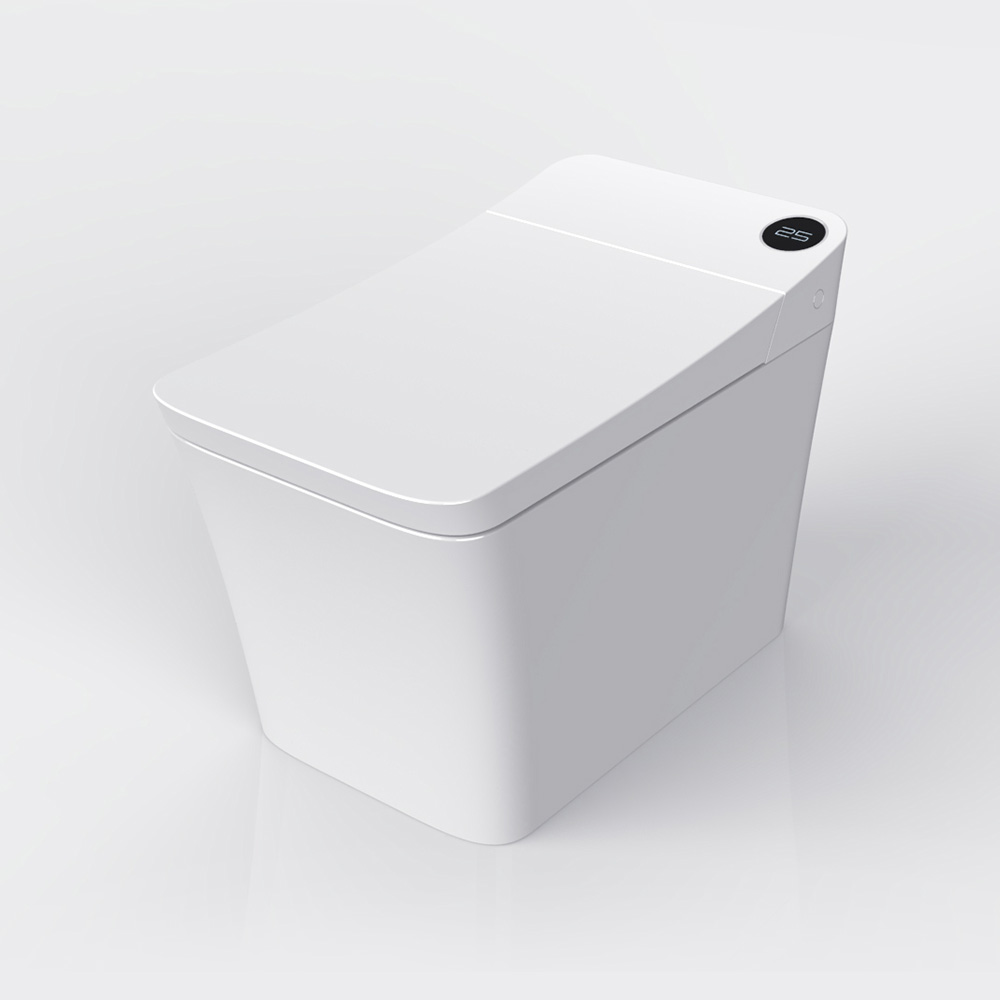
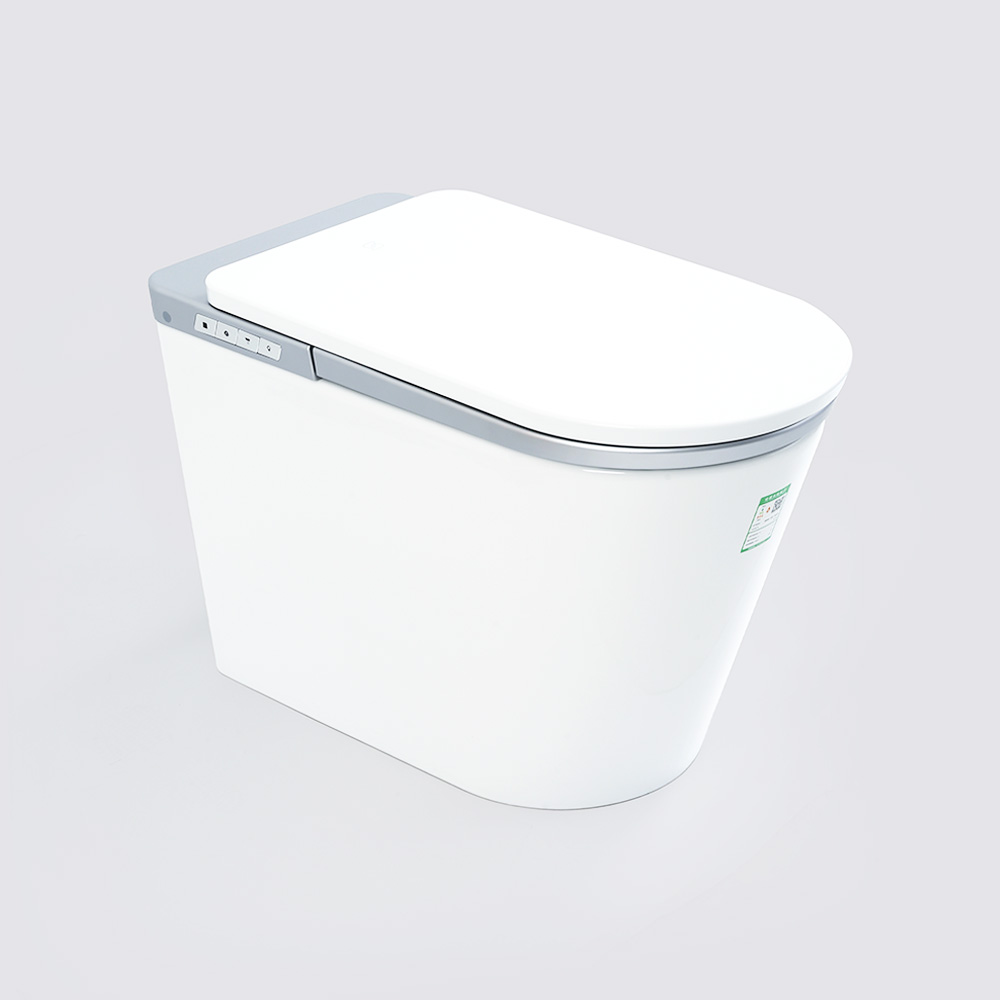
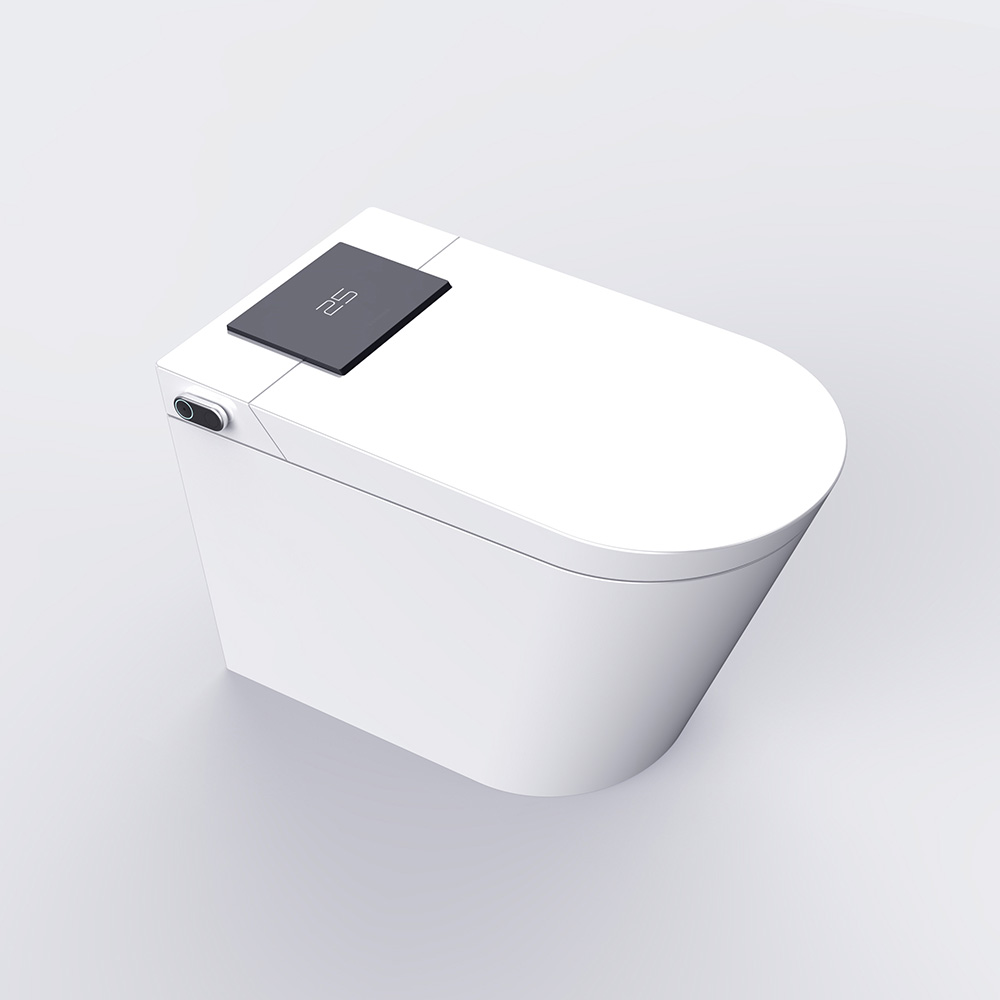
Bathroom layouts in export markets are shifting in a way that changes how buyers should think about product categories: a growing share of end users now want the bidet function built into the toilet itself rather than installed as a separate fixture. A smart shower toilet answers that shift directly, combining the flush toilet and the wash function into one unit, which changes both the plumbing requirements and the feature set buyers need to specify correctly. Distributors who catalog this category alongside standard toilets, rather than as its own product line, risk under-communicating the added functionality that justifies its higher price point to end customers.
Every smart toilet in this category includes some form of wash function, but a smart shower toilet is typically defined by the breadth of wash modes offered rather than a single spray setting. Common configurations include separate wash modes for general cleaning, feminine hygiene, and gentler settings suited to children or elderly users, often paired with a reciprocating spray pattern that widens the cleaned area compared to a fixed nozzle position. Buyers comparing suppliers should ask how many distinct wash modes are programmed into the control system, since this number varies meaningfully between entry-level and full-feature units.
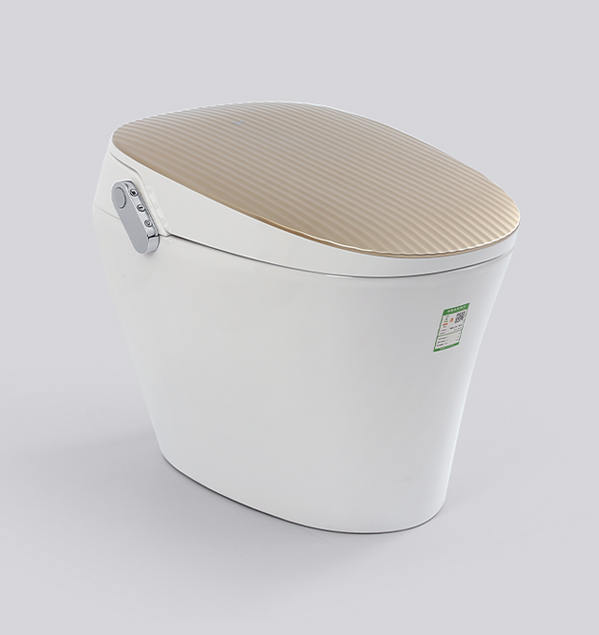
A smart shower toilet aimed at export markets should offer adjustable water pressure and temperature settings rather than a single fixed output, since user comfort expectations differ across regions and household preferences. Four-level adjustment for both water pressure and temperature has become a common baseline in this category, giving users enough range to move from a gentle setting to a firmer clean without needing a completely different product tier. Buyers sourcing for markets with harder or colder incoming water supply should also confirm the unit includes instant or near-instant water heating, since a smart shower toilet without heated water underperforms noticeably compared to one that heats water on demand.
Since the nozzle is the component in direct contact with the cleaning function, nozzle self-cleaning between uses is what keeps a smart shower toilet hygienic over repeated daily use rather than becoming a maintenance liability. A nozzle that retracts and rinses automatically after each cycle addresses this without requiring the user to intervene, and buyers should confirm this happens on every use rather than on a manual or scheduled basis only. This detail connects directly to how the product is marketed, since hygiene is usually the primary reason buyers choose a shower toilet over a standalone bidet fixture to begin with. Suppliers who can show the retract-and-rinse cycle completing in a matter of seconds during a sample demonstration give buyers a clearer sense of real-world performance than a spec sheet claim alone can provide.
|
Factor |
Smart Shower Toilet (Integrated) |
Standalone Bidet Fixture |
|
Bathroom space required |
Single fixture footprint |
Two separate fixtures needed |
|
Plumbing complexity |
One water and drain connection |
Separate connections for each fixture |
|
Wash mode variety |
Multiple programmed modes, adjustable |
Typically a single spray pattern |
|
Installation cost for renovation |
Lower, replaces existing toilet |
Higher, requires added fixture and space |
|
Hygiene maintenance |
Nozzle self-cleaning cycle |
Manual cleaning of fixture surface |
Beyond core hygiene functions, a smart shower toilet positioned at the premium end of the category often adds a spa massage setting alongside standard wash modes, cycling the spray pattern in a way distinct from a steady stream. Buyers evaluating this feature should ask for a demonstration rather than relying on the spec sheet description alone, since the perceived quality of a massage or reciprocating wash mode is difficult to judge from written specifications and varies more between suppliers than baseline wash functions do. This is one of the areas where sample testing before a bulk order genuinely changes the buying decision, more so than with features like heating or flush strength that are easier to verify from documentation alone. Buyers who skip sample testing on this specific feature sometimes find the finished smart shower toilet underdelivers on the one function that was supposed to set it apart from competing suppliers' units.
Copyright © Seewin Technology (Zhejiang) Co., Ltd.All Rights Reserved.
Customized Functional Electric Smart Toilet Factory

 English
 中文简体
中文简体 русский
 Français
 Español
 عربى
عربى Türk
Türk