
Sep 04,2026
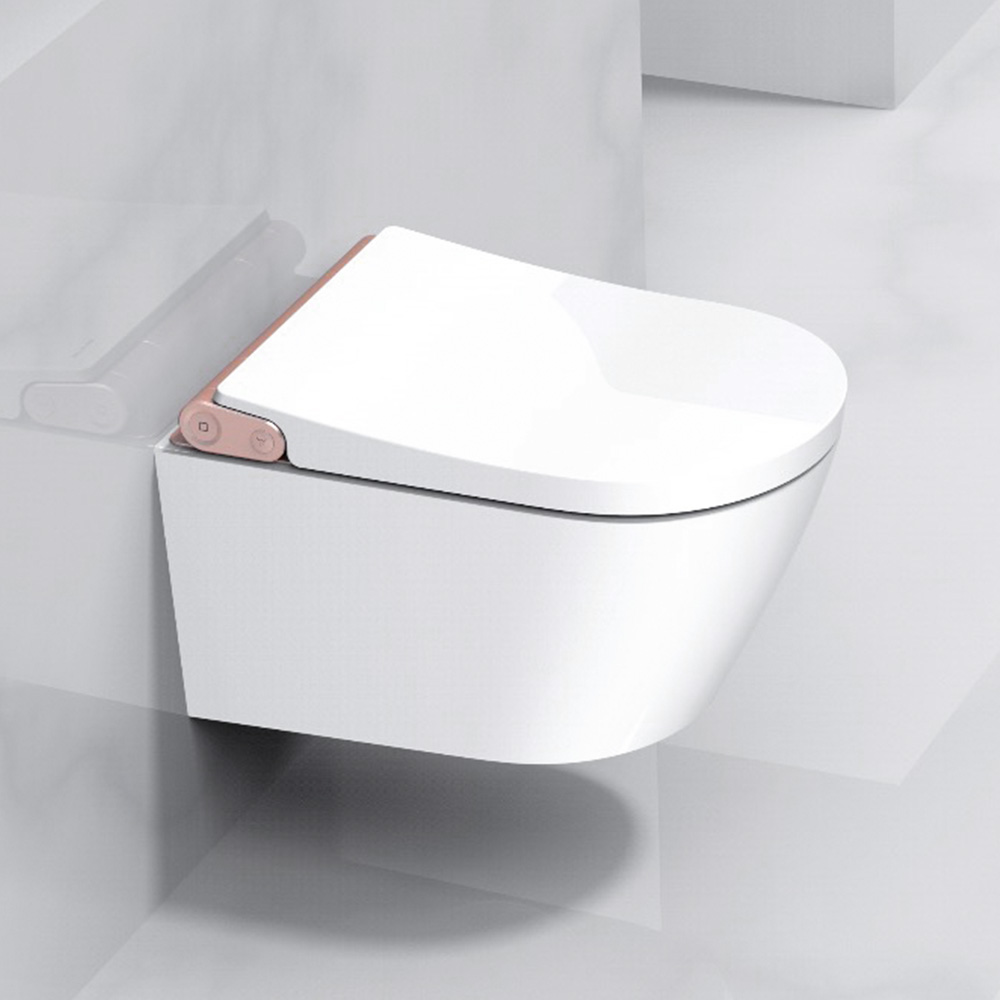
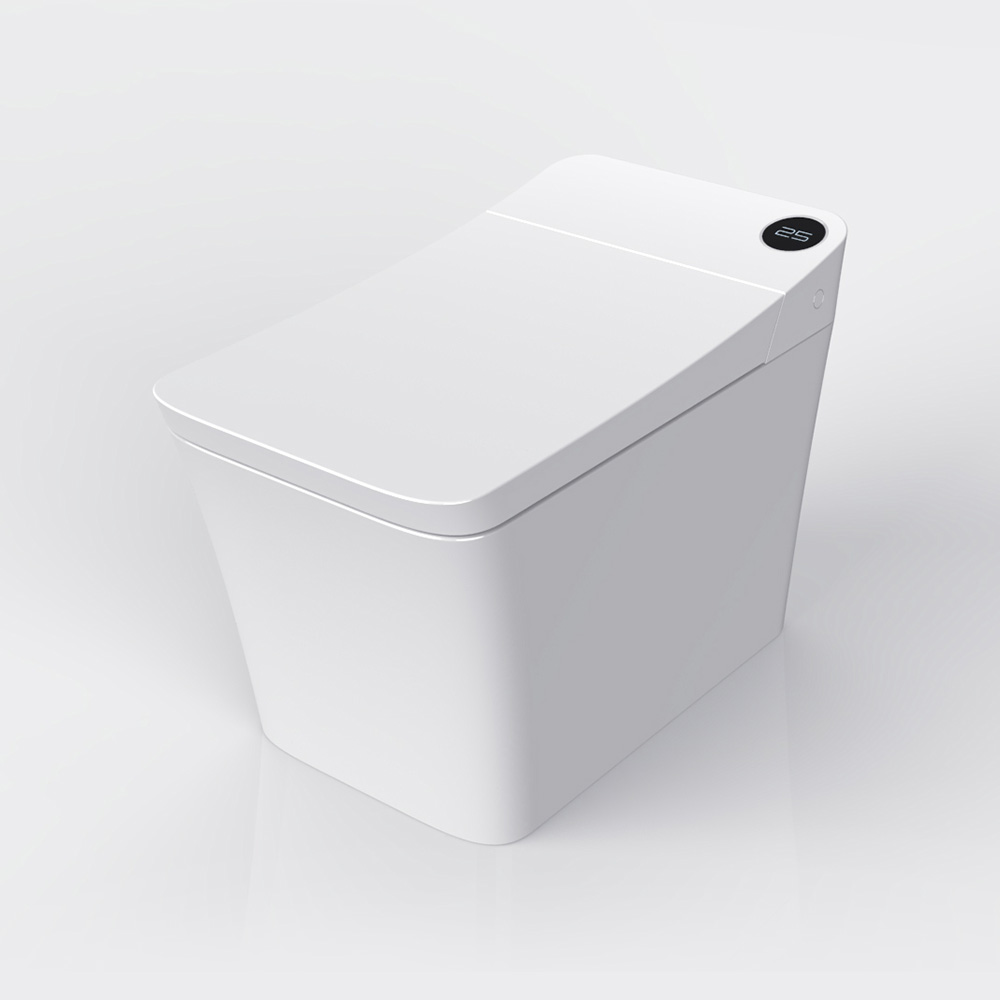
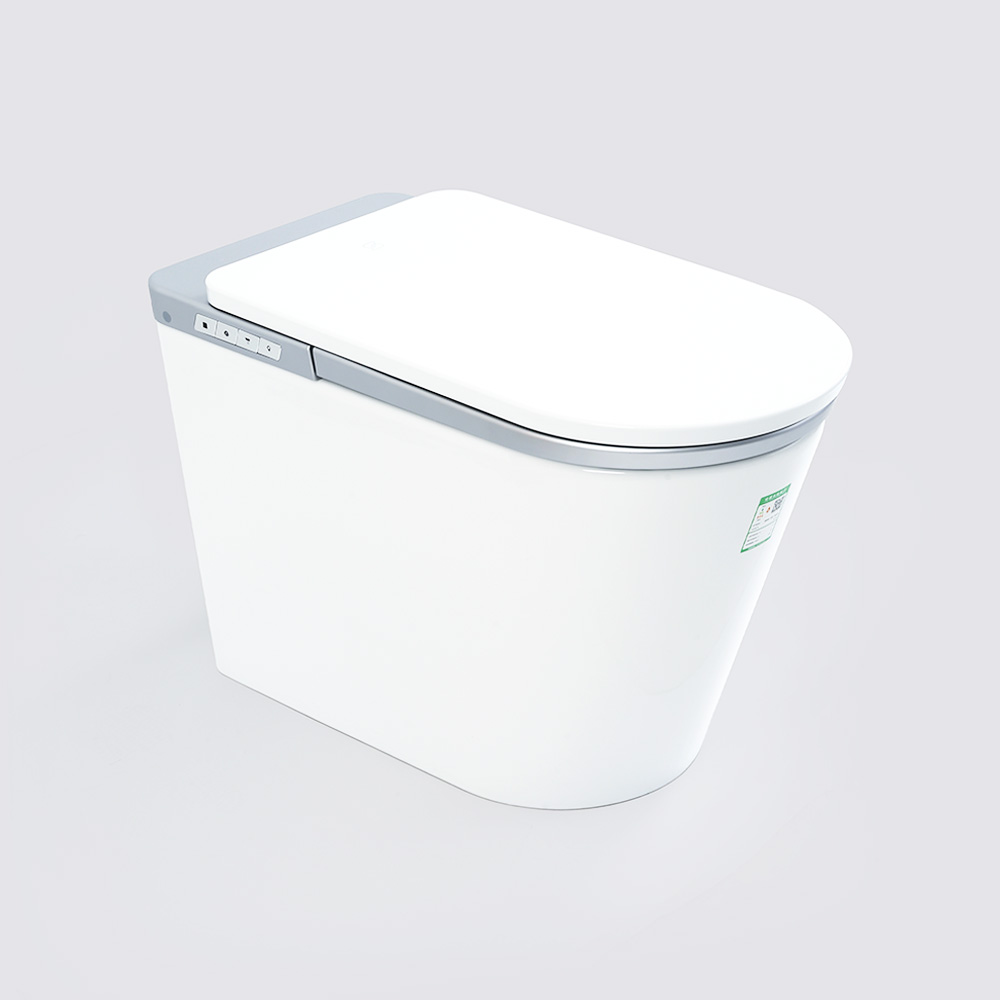
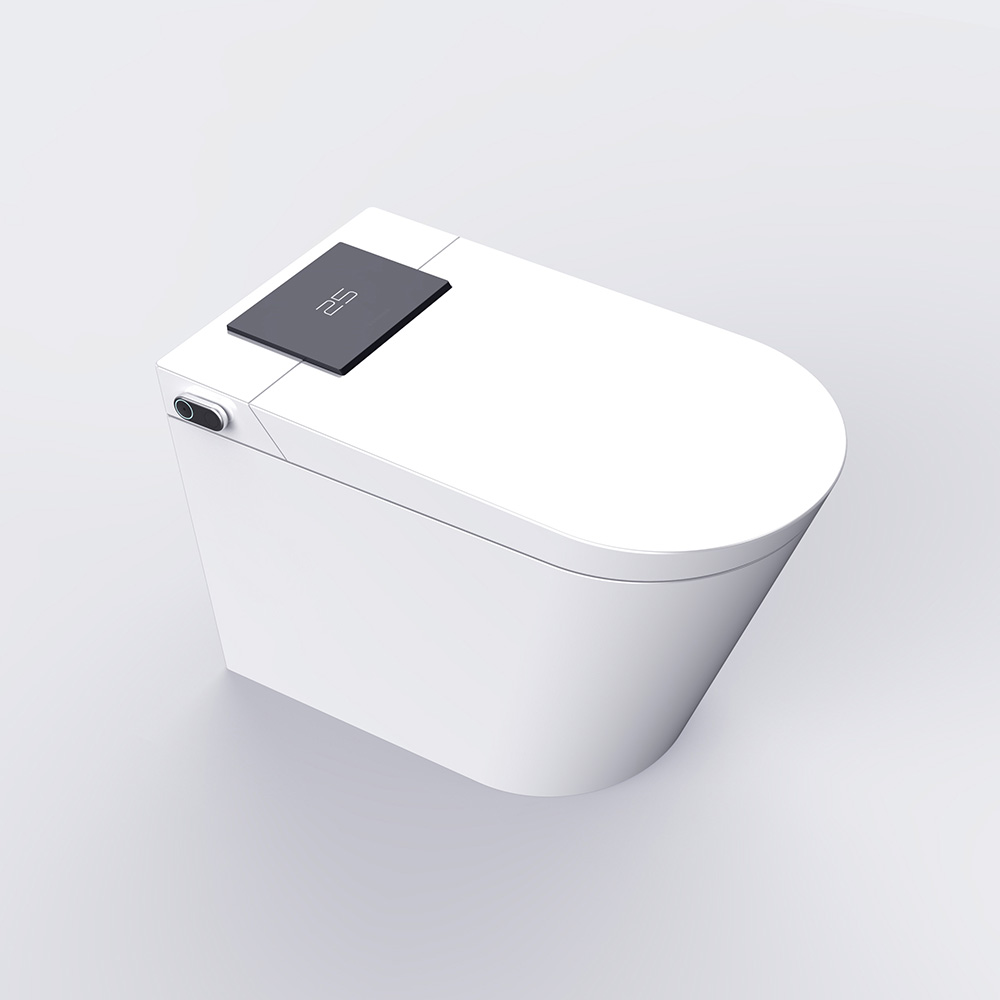
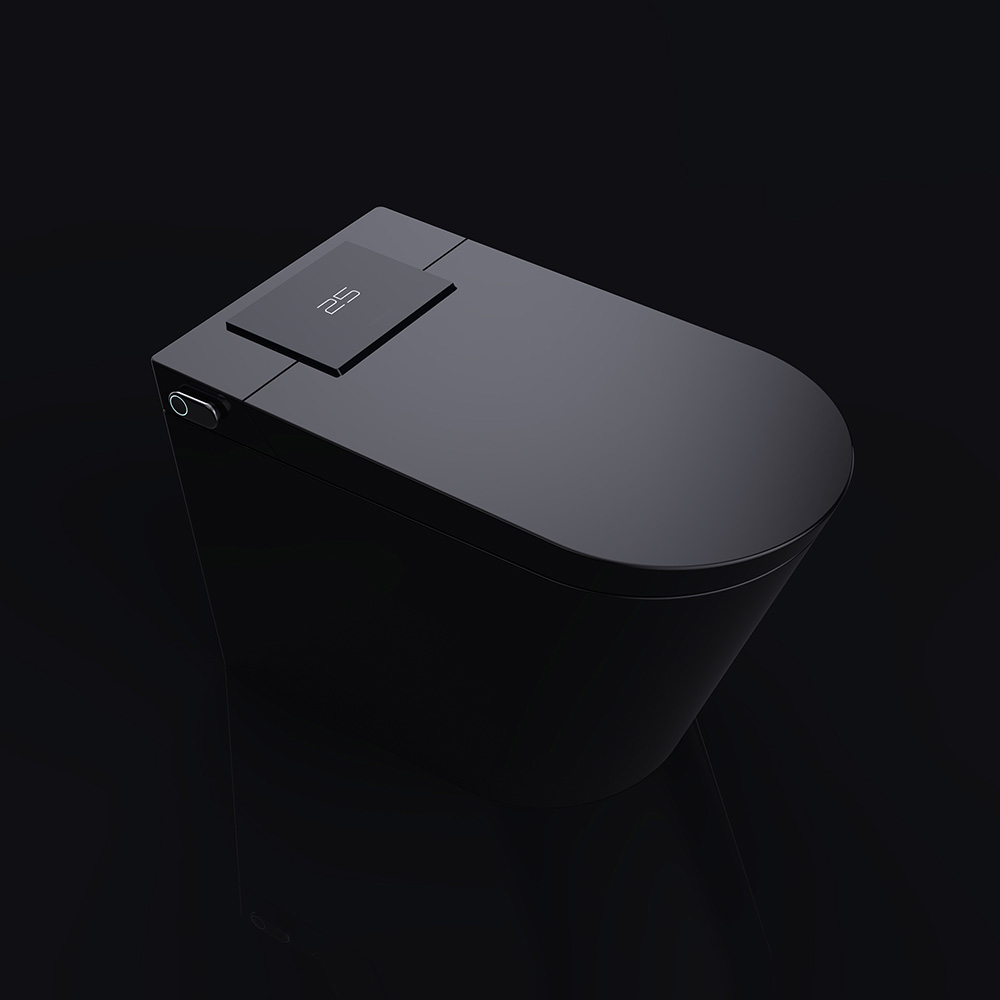
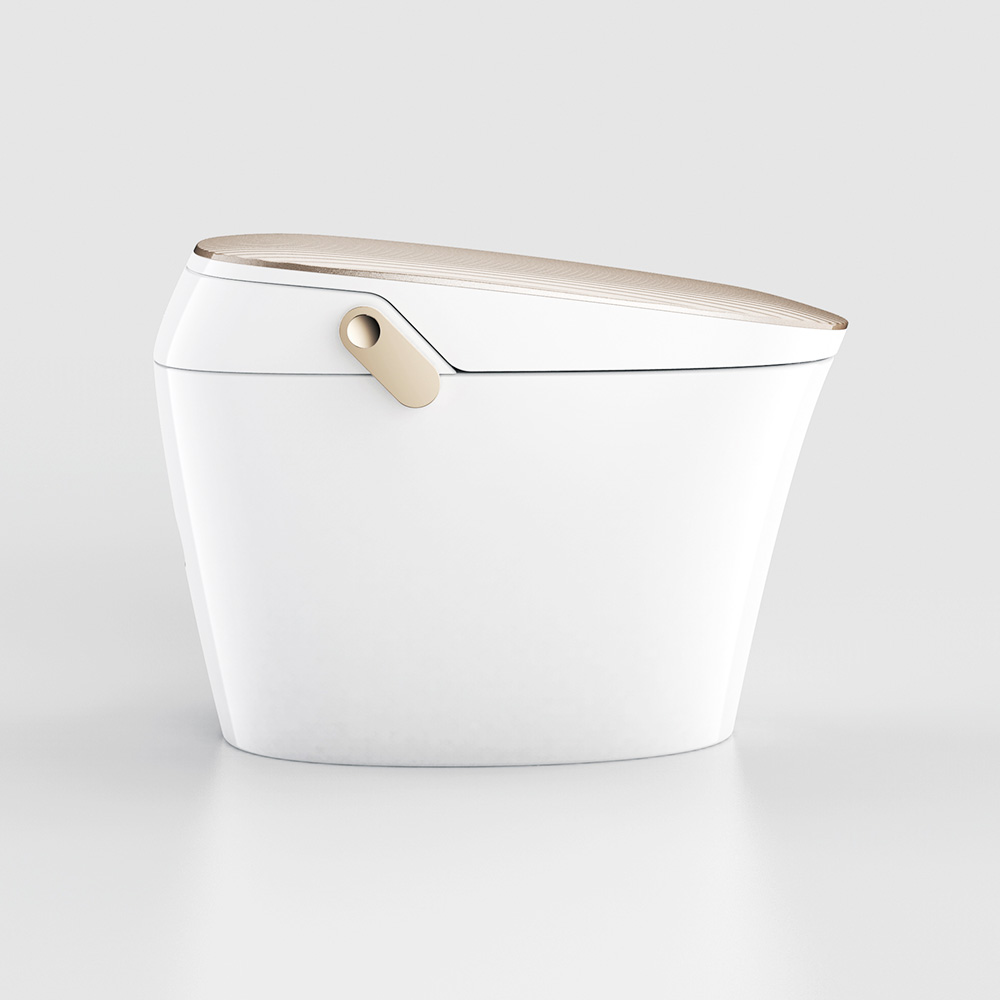
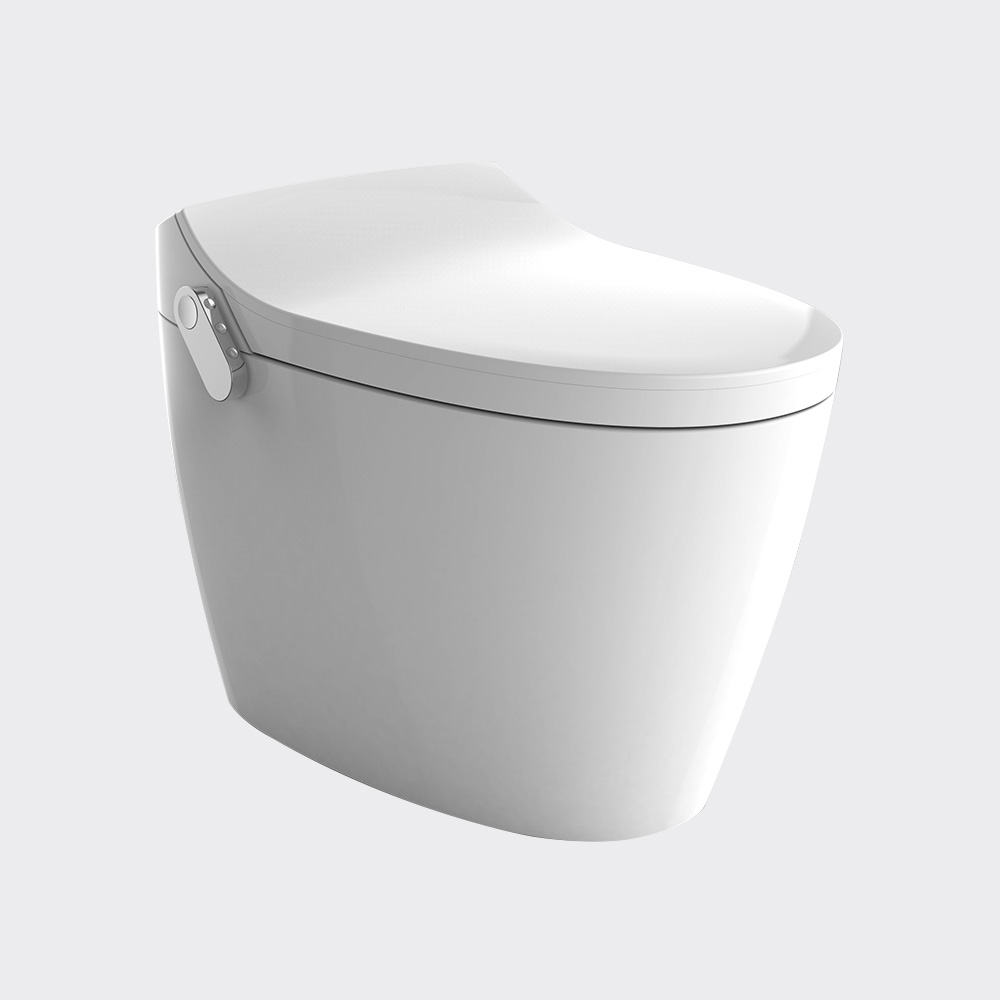
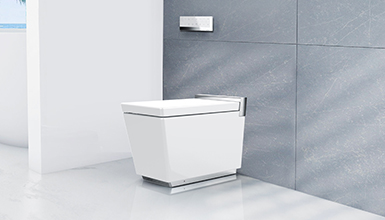
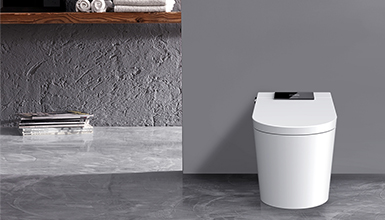
A Smart Tankless Toilet removes the conventional water tank and connects flushing directly to the incoming water supply. This structural change affects more than the appearance of a smart toilet. It also influences flushing control, internal space, heating systems, water management, and the way manufacturers arrange electrical and sanitary components. For buyers sourcing intelligent toilets, understanding these design differences helps when evaluating product specifications and factory capabilities.
Traditional toilets with storage tanks reserve internal space for a water container, while a Smart Tankless Toilet uses the incoming water supply when flushing starts. This arrangement reduces the need for a large water storage component and gives manufacturers more flexibility when organizing internal assemblies.
For an intelligent toilet, the available internal space must accommodate several systems at the same time. The flushing mechanism works alongside the bidet system, heating components, sensors, control circuits, and water purification parts. A tankless configuration therefore requires coordinated mechanical and electrical design rather than simply removing the water tank.
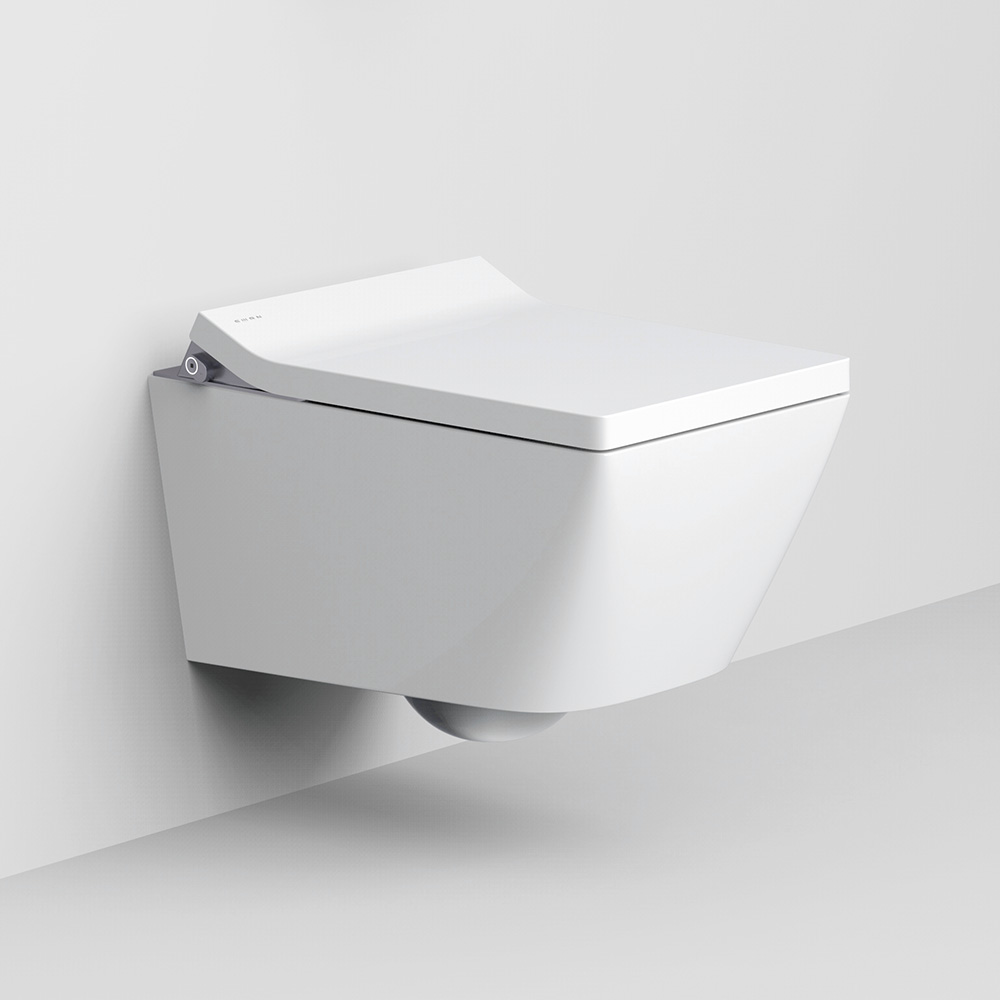
The SEEWIN Leipzig model uses a one-piece ceramic structure with an S-trap and siphonic flushing configuration. Its published roughing-in options include 305 mm and 400 mm, giving buyers specific installation dimensions to check before placing bulk orders.
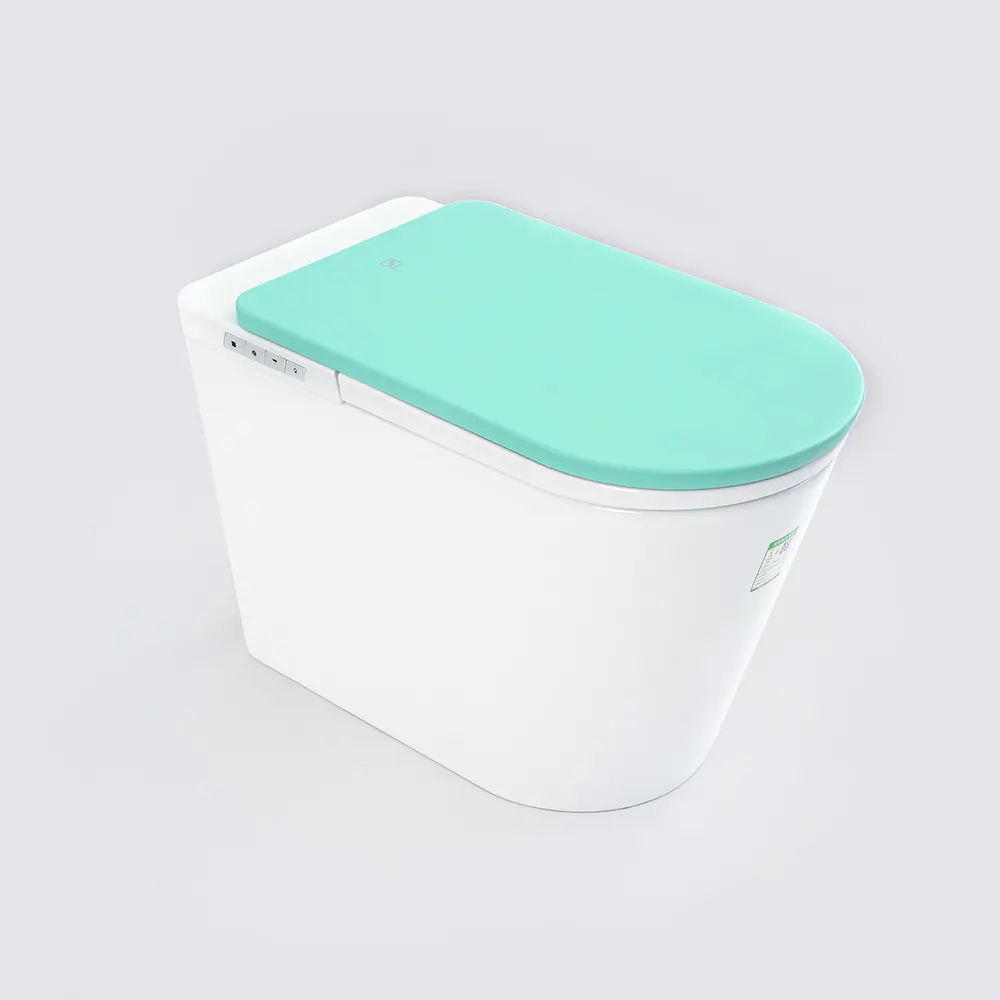
A modern Smart Tankless Toilet combines several functions that traditionally operated as separate bathroom components. Flushing, seat heating, bidet washing, nozzle cleaning, drying, deodorization, and sensor control all depend on coordinated control systems.
The Leipzig model incorporates instant heating for a constant-temperature water supply rather than relying on stored heated water. Its specifications also list functions such as adjustable water temperature and pressure, reciprocating washing, massage washing, nozzle self-cleaning, and 316 stainless steel cleaning pipes.
For buyers, these functions should not be evaluated individually. The important question is how they interact during actual operation. Water supply, heating capacity, electrical protection, sensor response, and control logic all influence the overall operating performance.
The product also includes foot-sensor flushing and automatic seat or cover functions on selected configurations. These details show how Smart Tankless Toilet design increasingly depends on integrated control rather than a single flushing mechanism.
Water-related components require particular attention because an intelligent toilet combines flushing water with personal washing functions. The water path needs suitable materials, stable flow control, and cleaning provisions for components that come into direct contact with water.
The Leipzig model specifies a 316 stainless steel cleaning tube and double-pipe outlet, together with a 360° self-cleaning structure. Its ceramic surface uses an anti-fouling glaze, while the seat uses antibacterial material. The product specifications also list nano antibacterial material and a claimed antibacterial rate of up to 99%.
These details matter during procurement because material selection affects maintenance requirements and long-term product consistency. A Smart Tankless Toilet supplier should therefore be able to explain the materials used in the water path, nozzle structure, sealing areas, and ceramic surface instead of focusing only on electronic functions.
For private-label and OEM projects, buyers can also compare whether different configurations maintain the same core water-control architecture while changing appearance, color, electrical specifications, or functional combinations.
When sourcing a Smart Tankless Toilet, buyers should review several technical parameters together rather than judging the product from its feature list alone.
|
Procurement Item |
What to Check |
|
Water connection |
Inlet requirements and installation compatibility |
|
Roughing-in |
305 mm, 400 mm, or other required dimensions |
|
Flushing |
Siphonic structure and control method |
|
Heating |
Instant heating system and rated power |
|
Electrical |
Voltage, frequency, leakage protection, and circuit protection |
|
Water path |
Cleaning pipe material and self-cleaning structure |
|
Ceramic body |
Surface treatment and anti-fouling requirements |
|
Smart functions |
Sensors, washing modes, seat heating, drying, and flushing controls |
|
Customization |
Color, functions, electrical configuration, and packaging |
The Leipzig series lists 110/220V~ rated voltage, 50/60Hz frequency, water efficiency grade II, and standby power below 2W for its configurations, while rated power varies by model. Buyers serving different markets should verify the exact configuration before confirming production quantities.
For manufacturers, stable assembly and testing are equally important. Electrical components, water circuits, sensors, ceramic bodies, and functional controls must operate as one finished system. This makes production inspection and functional testing important parts of supplying Smart Tankless Toilet products for overseas projects.
The combination of tankless flushing, instant heating, intelligent controls, water-path management, and one-piece ceramic construction gives manufacturers several technical areas to optimize. For B2B buyers, these underlying design details provide a more useful basis for supplier comparison than simply counting the number of smart functions.
Copyright © Seewin Technology (Zhejiang) Co., Ltd.All Rights Reserved.
Customized Functional Electric Smart Toilet Factory

 English
 中文简体
中文简体 русский
 Français
 Español
 عربى
عربى Türk
Türk