
Aug 07,2026
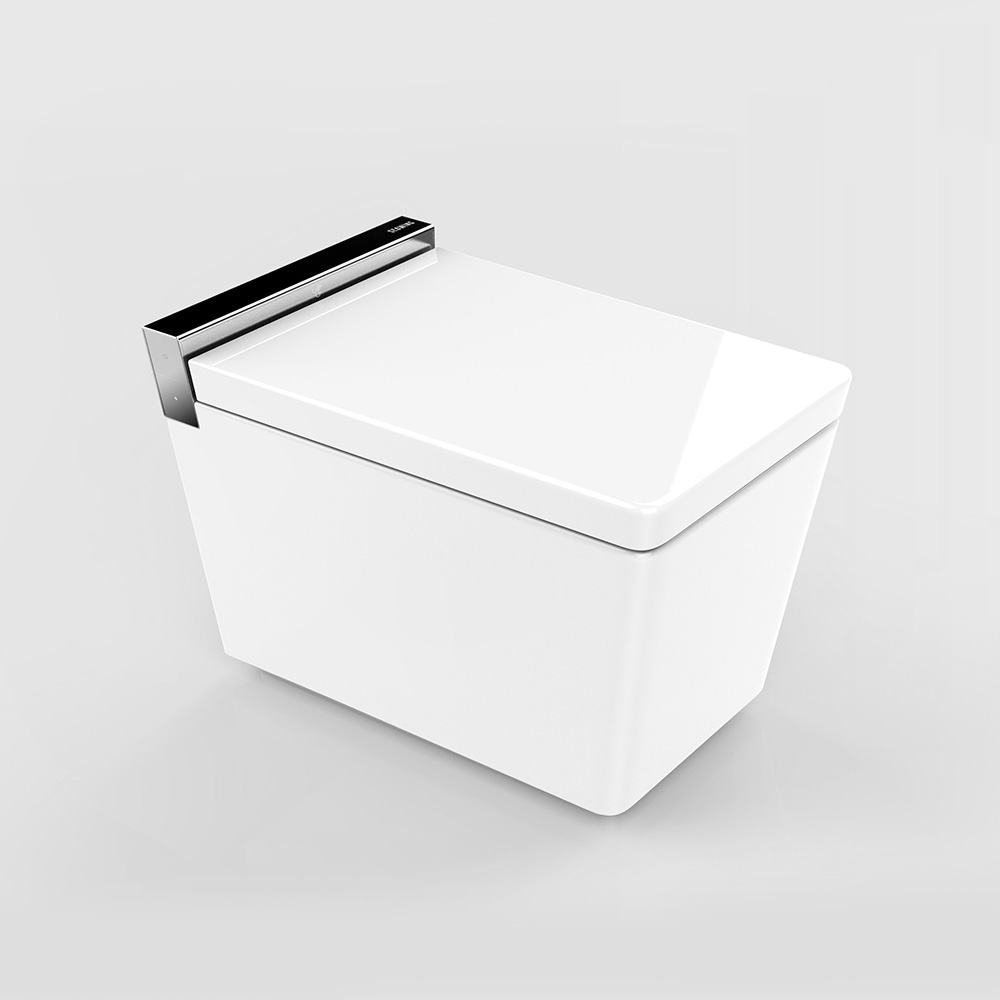
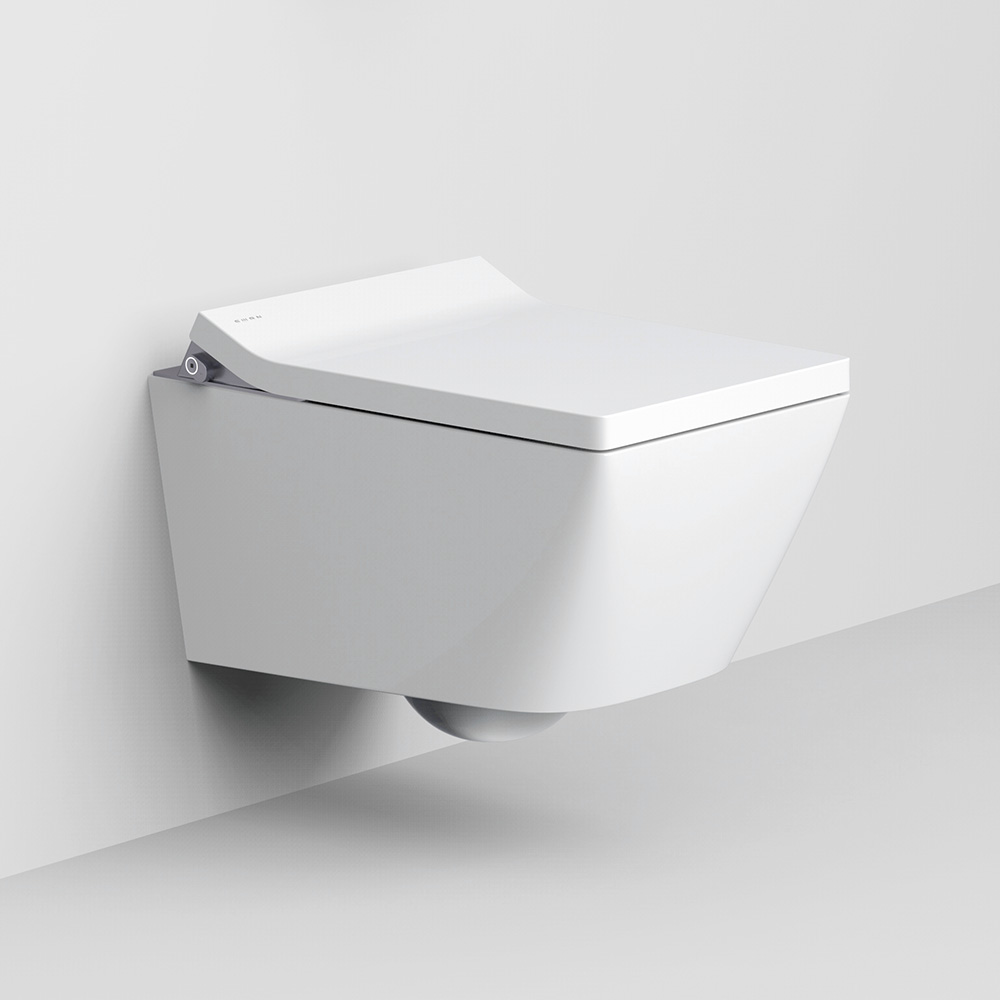
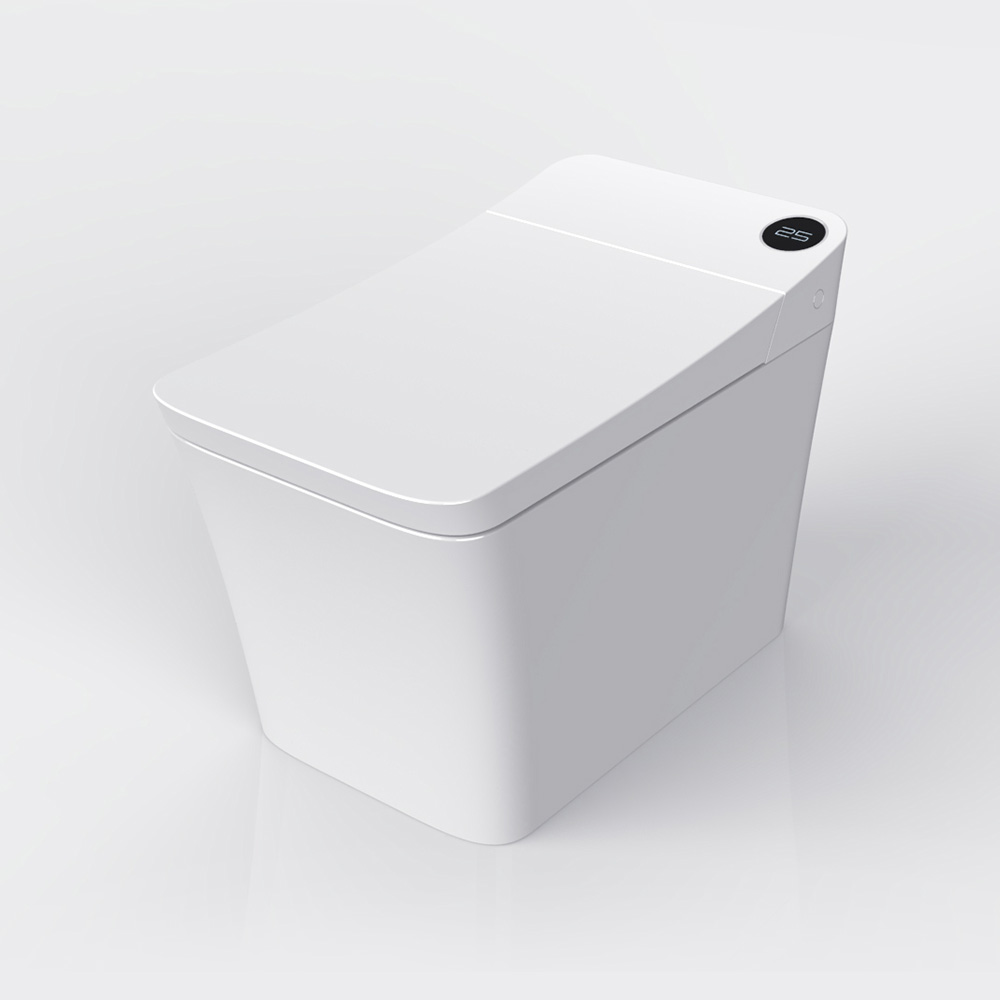
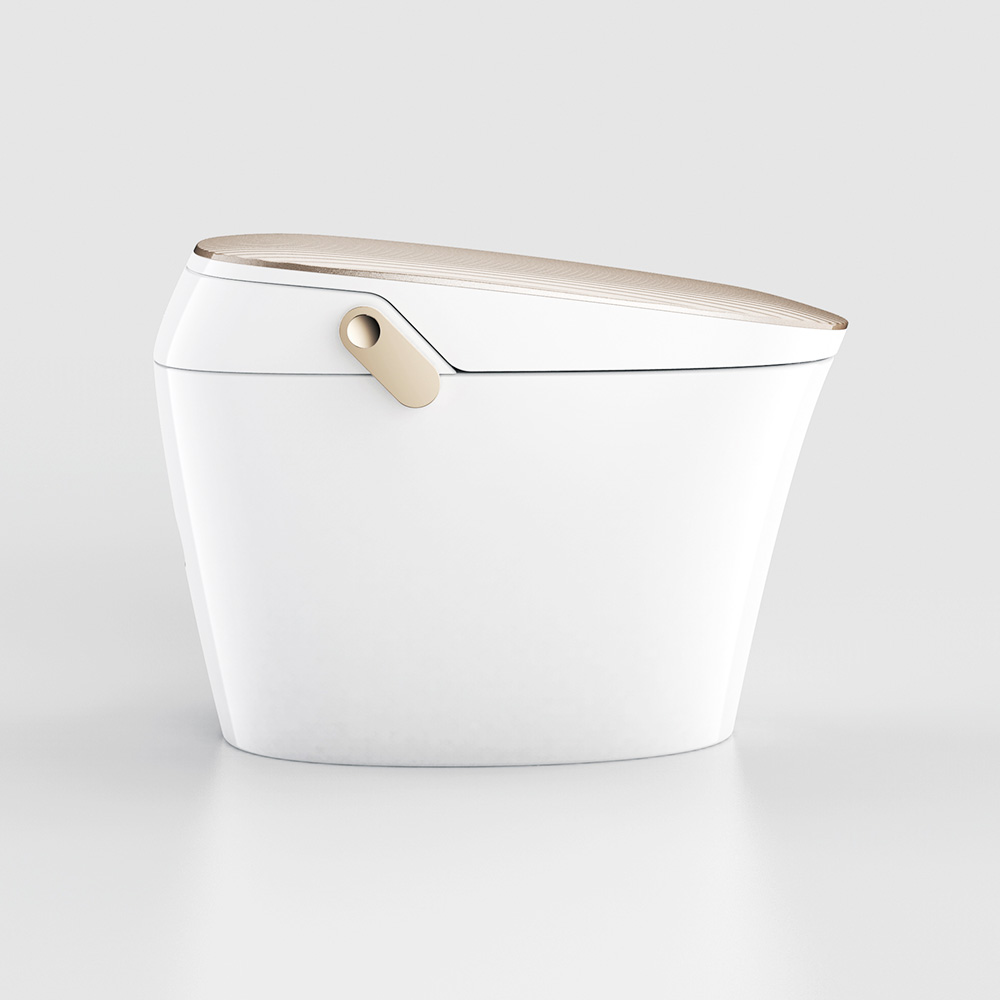
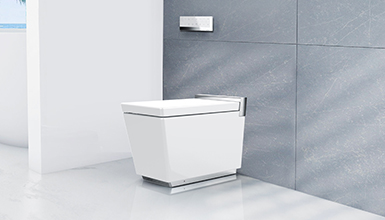
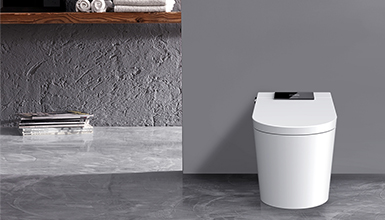
A square-shaped smart toilet looks straightforward on a spec sheet, but the design choice changes more about the product than its silhouette. Square bowls require different mold tooling, different seat-hinge geometry, and often a different UV sterilization chamber layout than the round bowls many factories default to. Buyers new to this category often assume any smart toilet factory can simply swap the shape on request, which is not always the case when it comes to square intelligent toilet suppliers.
Not every smart toilet factory has tools for square ceramics, since round bowls remain the more common production run across the industry. Square intelligent toilet suppliers capable of producing a clean, consistent square silhouette typically need dedicated molds for the ceramic body and matched seat and lid components, since a mismatched seat radius on a square bowl is far more visible to the end user than the same tolerance gap on a round bowl. Asking a factory to show sample units or production photos of a completed square model, rather than a rendering, is a reasonable way to confirm the tooling already exists.
-1.jpg)
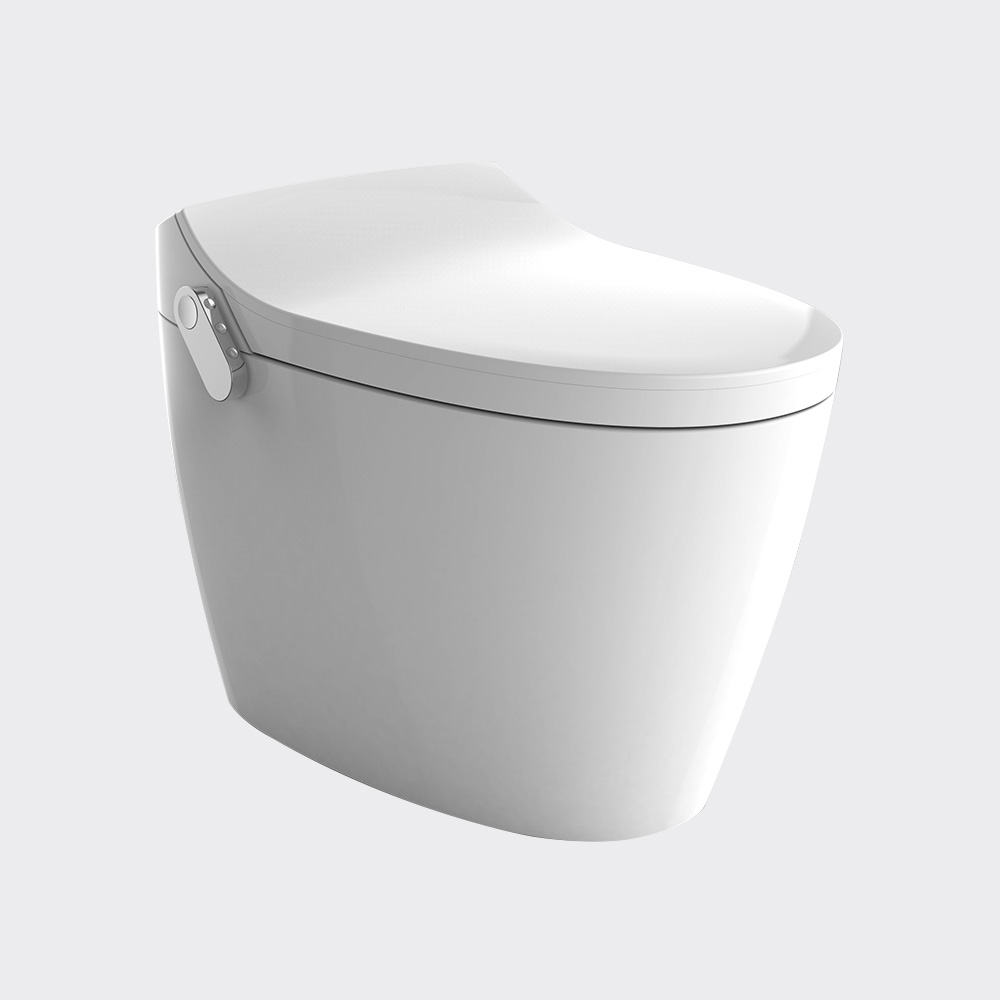
A square smart toilet built as a one-piece ceramic structure avoids the seams and installation gaps that come with separate tank-and-bowl assemblies. Buyers should confirm structure type, S-trap or P-trap configuration, and floor-mounted installation versus wall-mounted configuration before comparing pricing across suppliers, since these three factors alone can shift unit cost significantly. Item weight is also worth checking directly rather than inferring from dimensions, since ceramic thickness varies between factories even at similar bowl sizes. This is one of several details square intelligent toilet suppliers sometimes leave off an initial quote, only to add as a cost adjustment once a buyer requests a specific configuration.
UV sterilization for the bowl has become close to a standard feature request in this category, since it addresses a hygiene concern that resonates with end buyers regardless of region. Confirming that the sterilization cycle activates automatically after lid closure, rather than requiring a manual trigger, is worth clarifying at the sourcing stage, since the two designs affect daily user experience differently. App control is another common request, and buyers should ask whether the app supports the destination market's app store and language requirements rather than assuming a single global app version covers every export region.
Buyers comparing square intelligent toilet suppliers against round-bowl specialists should expect these production differences to show up in both reduced time and price before a single unit is sampled.
|
Factor |
Square Bowl |
Round Bowl |
|
Mold tooling |
Dedicated square mold required |
Standard round mold widely available |
|
Seat and lid fit |
Custom-matched hinge geometry |
Broadly interchangeable across models |
|
Visual market positioning |
Positioned as a design-forward, premium option |
Positioned as a familiar, mainstream option |
|
Production reduction time |
Often longer if mold is not already in stock |
Typically shorter, standard tooling |
|
Common installation type |
Floor mounted, one-piece |
Floor or wall mounted, one-piece or two-piece |
Buyers finalizing a relationship with square intelligent toilet suppliers should request test reports covering electrical safety and water-related certification relevant to the destination market, along with batch traceability records tied to raw ceramic and electronic component sourcing. A factory running full-process automated testing lines, rather than relying only on manual spot checks, is generally better positioned to maintain consistency across large orders. Confirming export history to the buyer's specific region, not just a general export claim, gives a clearer picture of whether the supplier has already navigated that market's certification requirements. Buyers who skip this step sometimes discover certification gaps only after a shipment is already in transit, which is a far more expensive problem to solve than confirming documentation upfront.
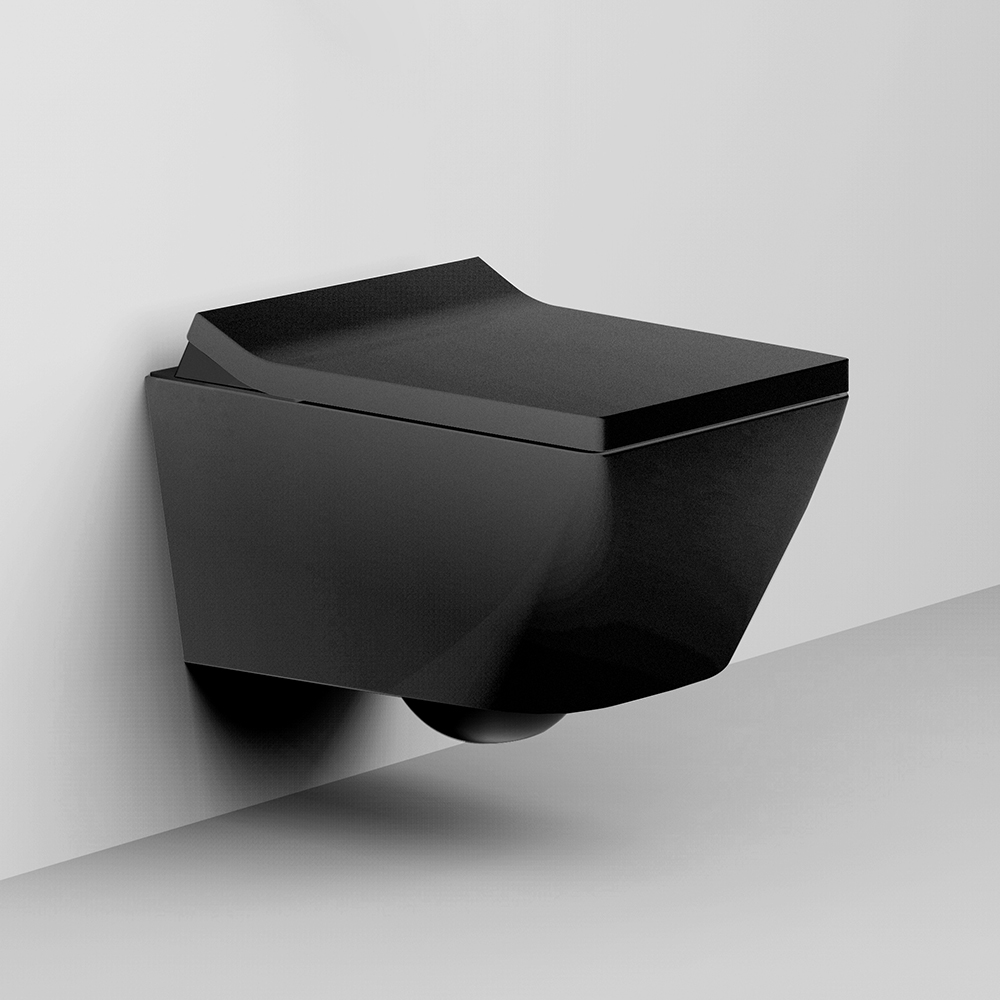
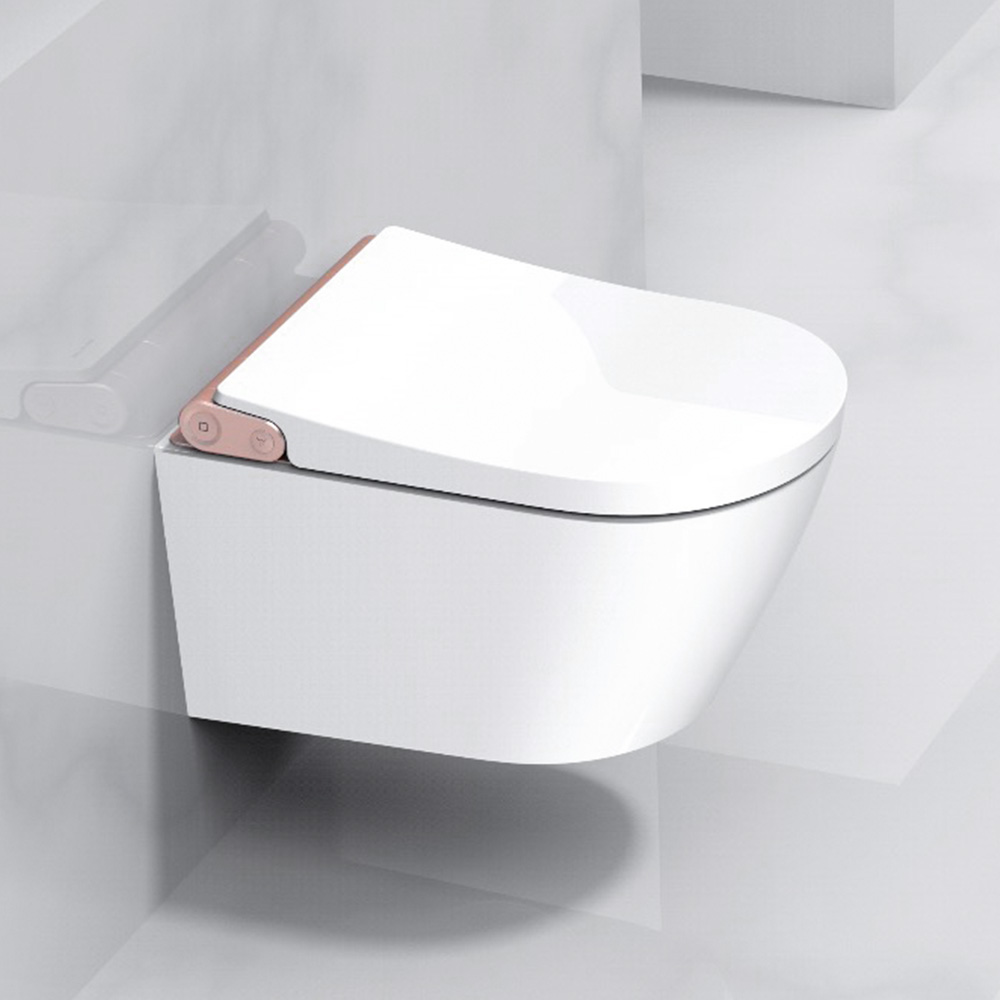
Beyond the functional specification, buyers working with square intelligent toilet suppliers on private-label or retail-branded orders should clarify finish options early, since features like bottom ambient lighting or color variants often depend on tooling decisions made at the mold stage rather than being simple add-ons applied later in production. Locking in these details before sampling begins avoids a second tooling cycle later in the order timeline, which is one of the more common causes of delay buyers report when finish requirements are added after initial samples are approved.
Copyright © Seewin Technology (Zhejiang) Co., Ltd.All Rights Reserved.
Customized Functional Electric Smart Toilet Factory

 English
 中文简体
中文简体 русский
 Français
 Español
 عربى
عربى Türk
Türk