
Aug 14,2026
Two separate systems get bundled under one marketing phrase whenever a buyer asks about a heated self cleaning toilet, and treating them as a single feature can bring confusion during sourcing. Seat heating and self-cleaning are engineered independently, draw power differently, and fail independently, so understanding how each one actually functions helps buyers evaluate whether a supplier's version covers both properly or only one convincingly.
Seat heating in a heated self cleaning toilet typically runs through a microcomputer-controlled heating element embedded in the seat itself, with adjustable temperature levels a user can select rather than a single fixed setting. A well-built system holds temperature evenly across the seat surface rather than creating hot spots near the heating coil, which is something buyers can only confirm through direct testing rather than reading a spec sheet. The cover material surrounding the heating element also matters: components rated for sustained operating temperatures in the 110 to 120°C range tend to hold up better under continuous daily heating cycles than lower-grade plastics.
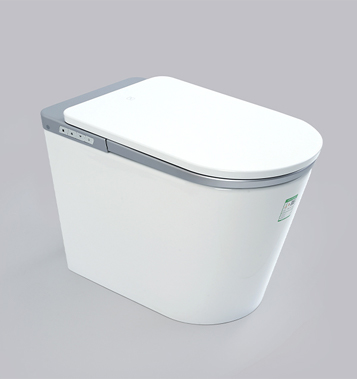
Self-cleaning in a heated self cleaning toilet usually refers to two separate functions working together: an automatic nozzle-rinse cycle that cleans the wash nozzle itself after each use, and a UV sterilization cycle that activates inside the bowl after the lid closes. Buyers sourcing this feature should confirm both functions are present, since some lower-cost units only rinse the nozzle and market that alone as "self cleaning" without the UV sterilization stage. The nozzle-rinse function matters because a wash nozzle that is not cleaned between uses can become a hygiene concern over time, undermining the product's core selling point.
Many factories add silver ion antibacterial treatment to the seat material itself, working alongside the UV and nozzle systems rather than replacing them. This treatment inhibits bacterial growth directly on the seat surface, which is a different mechanism from UV sterilization inside the bowl, so buyers should think of the two as complementary rather than redundant. A factory able to document antibacterial test results, rather than stating a rate without supporting data, gives buyers a clearer basis for comparing suppliers on this specific claim.
A heated self cleaning toilet built to a reasonable safety standard should include multiple independent protection systems: seat high-temperature burn protection, water and electricity separation, and leakage-switch protection at minimum. These systems matter more in this product category than in many household electronics, since the device combines electrical heating components with direct water contact in daily use, alongside the UV sterilization cycle running inside the bowl. Buyers should ask suppliers to specify each protection system by name rather than accepting a general "safety certified" claim without detail.
Comparing configurations side by side makes it clearer why a genuine heated self cleaning toilet costs more than a unit offering only one of the two functions.
|
Configuration |
Seat Heating Only |
Nozzle Rinse Only |
Full Heated Self Cleaning System |
|
Bacterial control |
None specific to seat |
Nozzle only |
Seat antibacterial treatment plus UV bowl cycle |
|
User comfort in cold weather |
Addressed |
Not addressed |
Addressed |
|
Ongoing hygiene maintenance |
Manual cleaning still needed |
Reduced nozzle buildup |
Reduced across nozzle and bowl |
|
Typical market positioning |
Entry-level |
Mid-range |
Premium, full-feature |
|
Power draw |
Moderate, heating element only |
Low, pump cycle only |
Higher, combined systems |
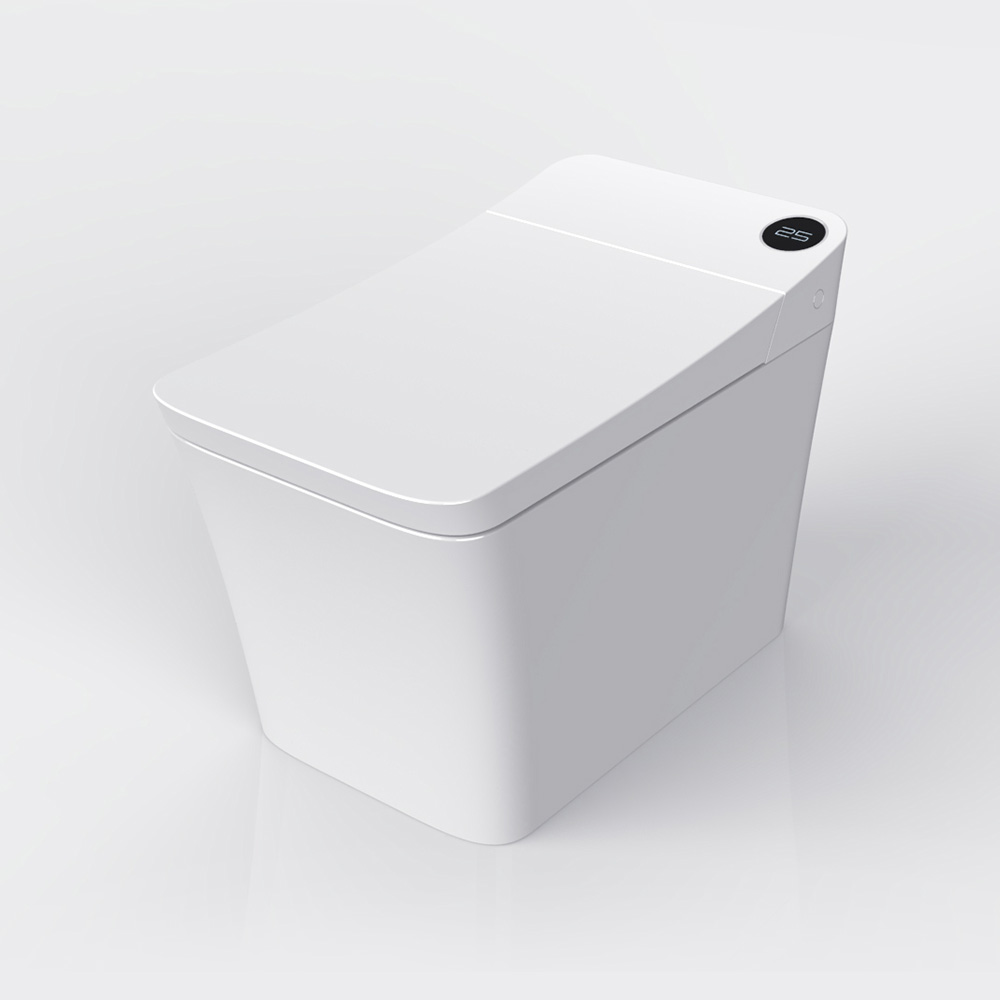
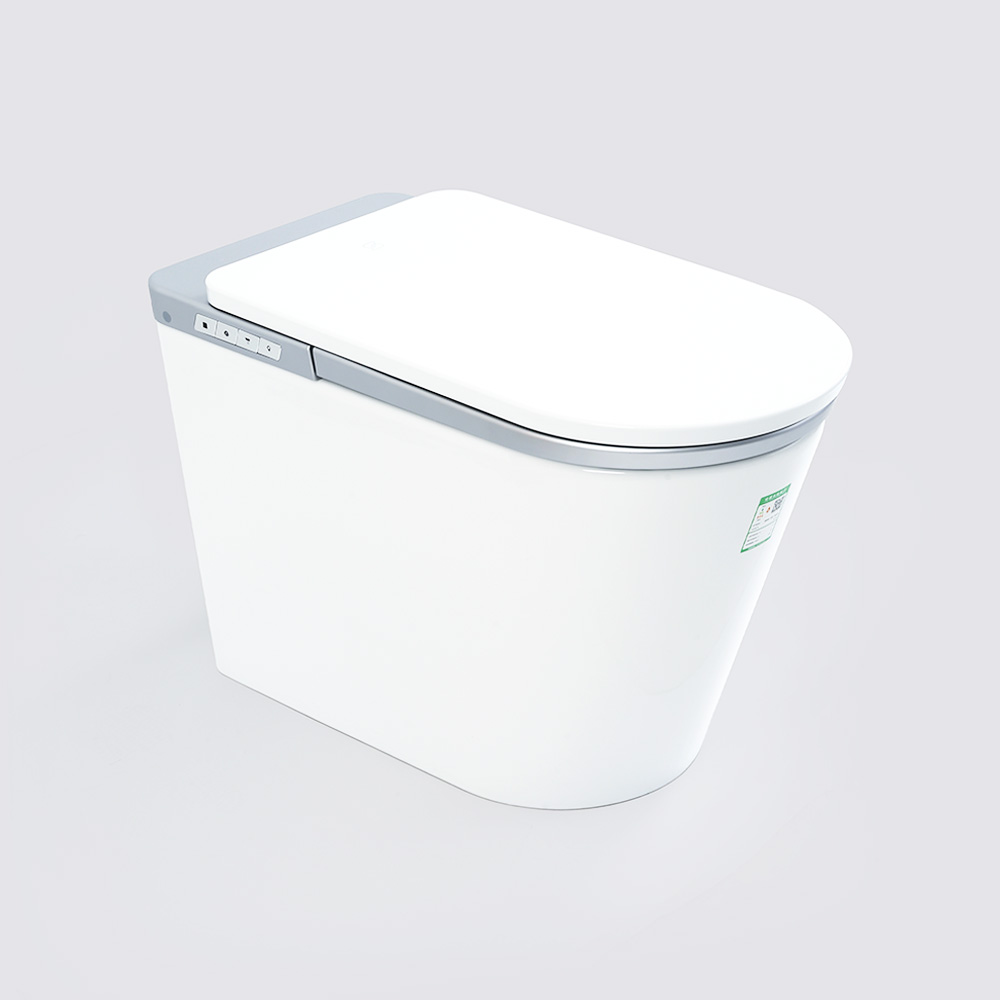
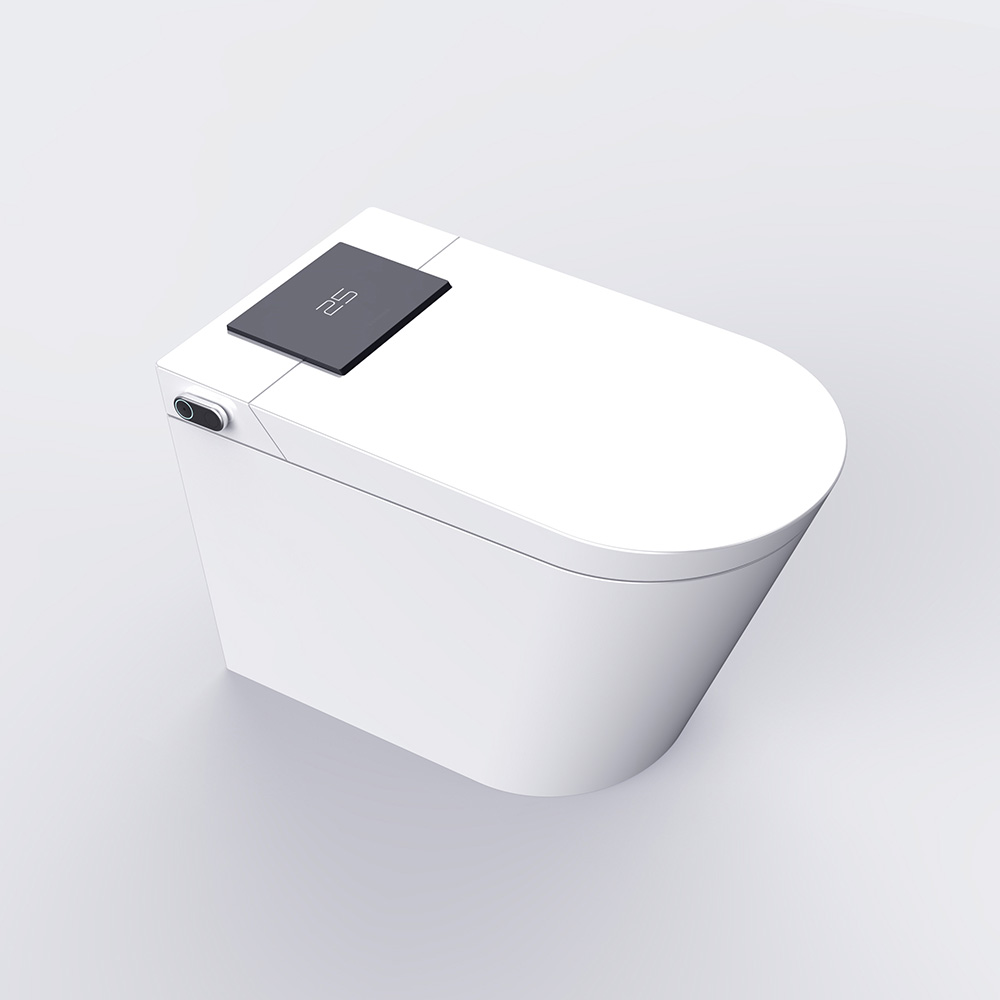
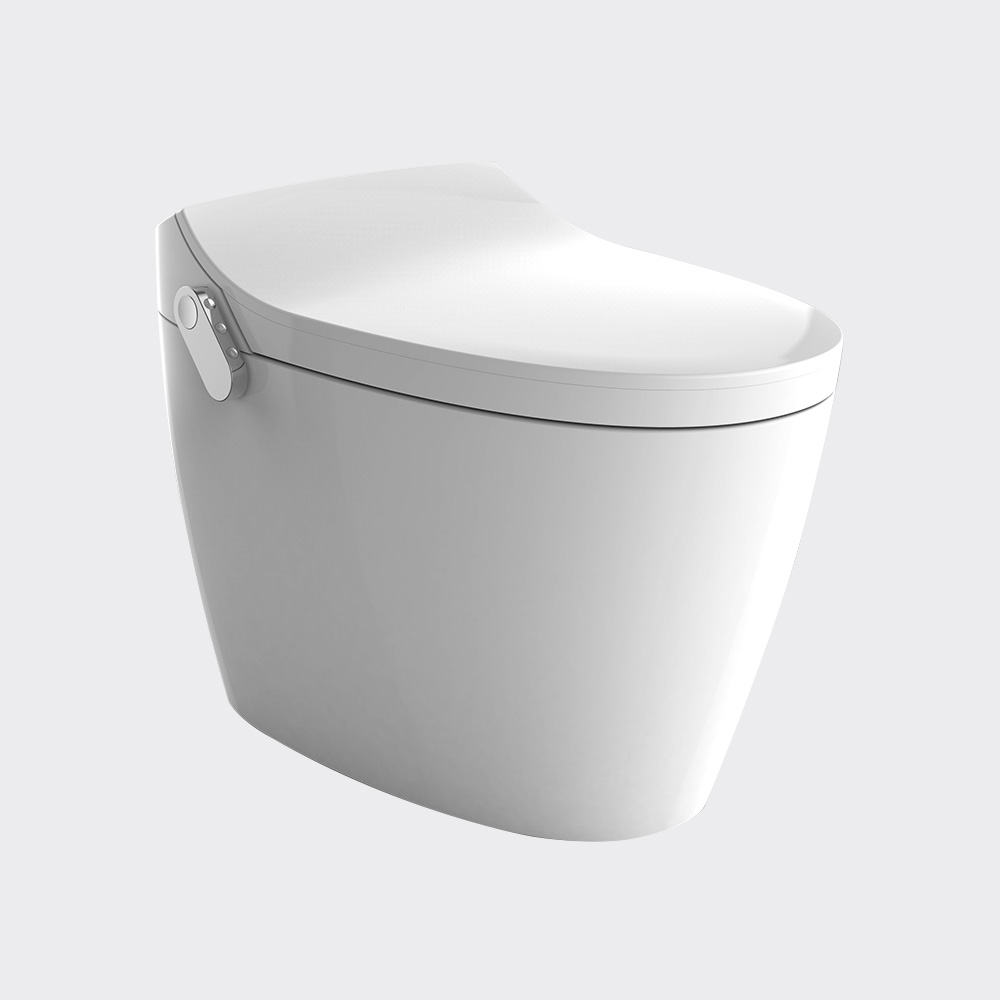
Buyers should also confirm how heating and cleaning settings are adjusted day to day, since a heated self cleaning toilet with only app-based controls can frustrate users who prefer physical buttons for quick adjustments. A side-panel button set positioned at a comfortable reach angle, paired with a touch-sensitive remote showing current temperature on an LED display, gives users a fallback control method if the paired app is unavailable or the phone is not nearby, which is a detail worth confirming during supplier evaluation rather than assuming every unit ships with both options. Suppliers who can demonstrate this dual-control setup on a working sample, rather than describing it only in a spec sheet, give buyers a more reliable basis for comparing units before committing to a bulk order.
Copyright © Seewin Technology (Zhejiang) Co., Ltd.All Rights Reserved.
Customized Functional Electric Smart Toilet Factory

 English
 中文简体
中文简体 русский
 Français
 Español
 عربى
عربى Türk
Türk