
Jul 31,2026
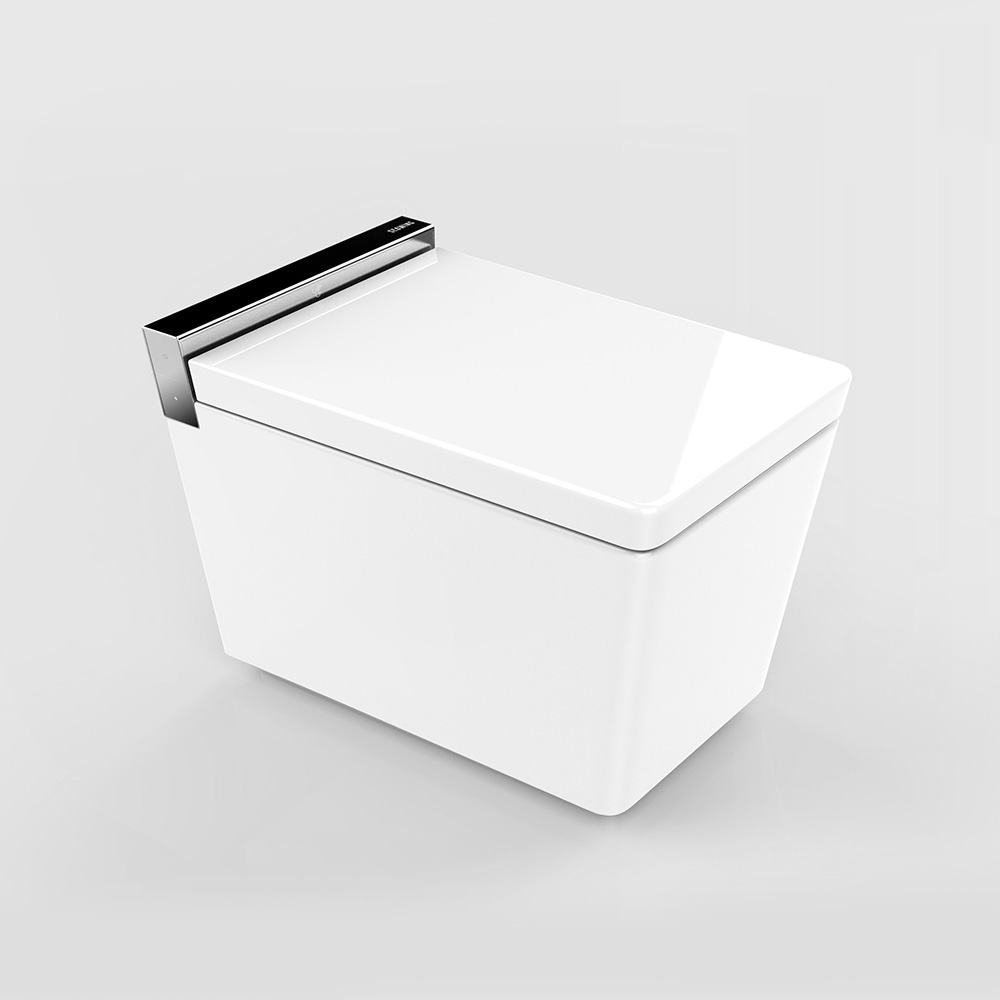
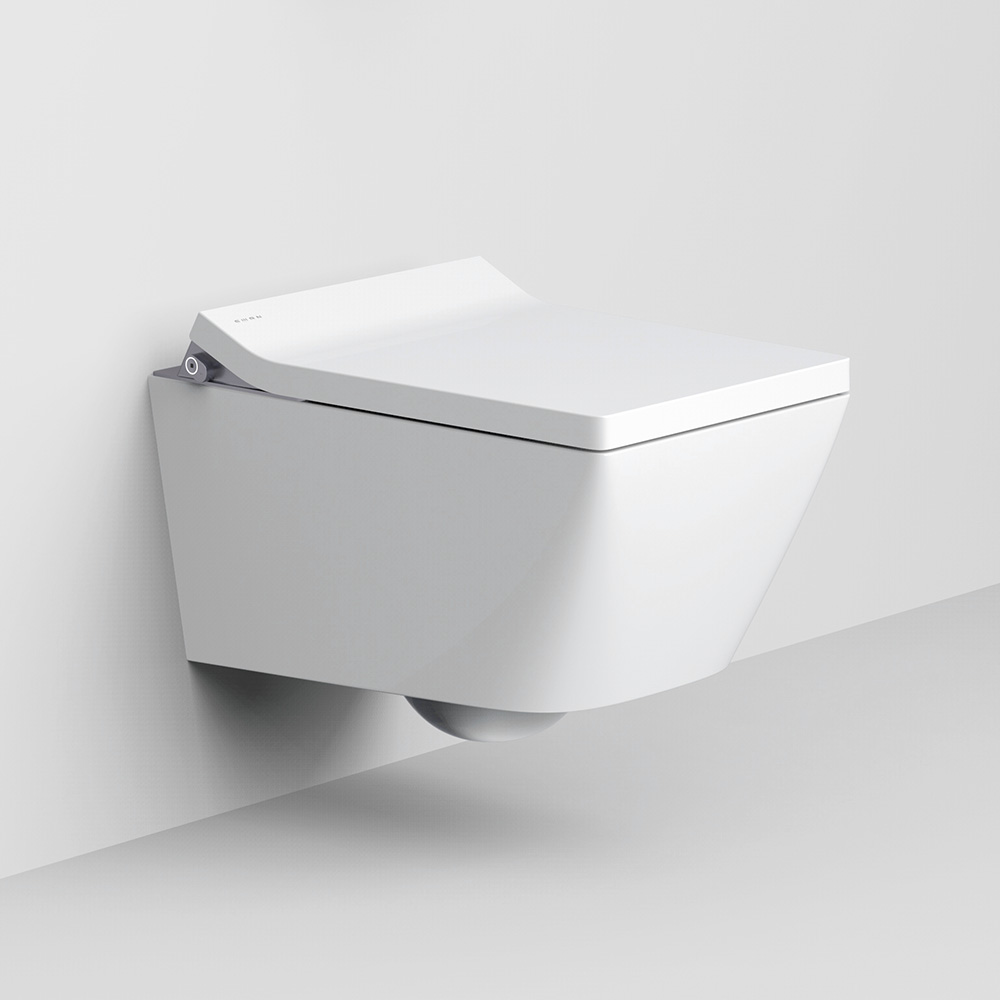
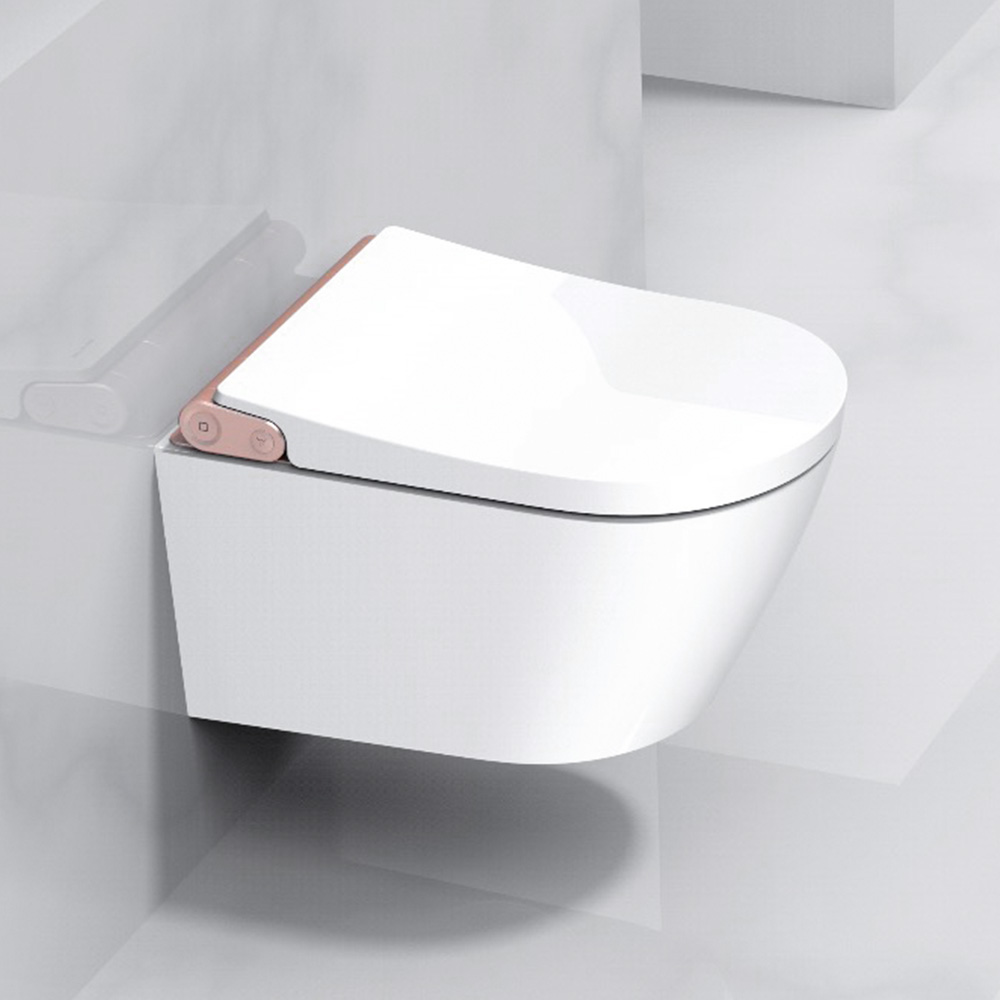
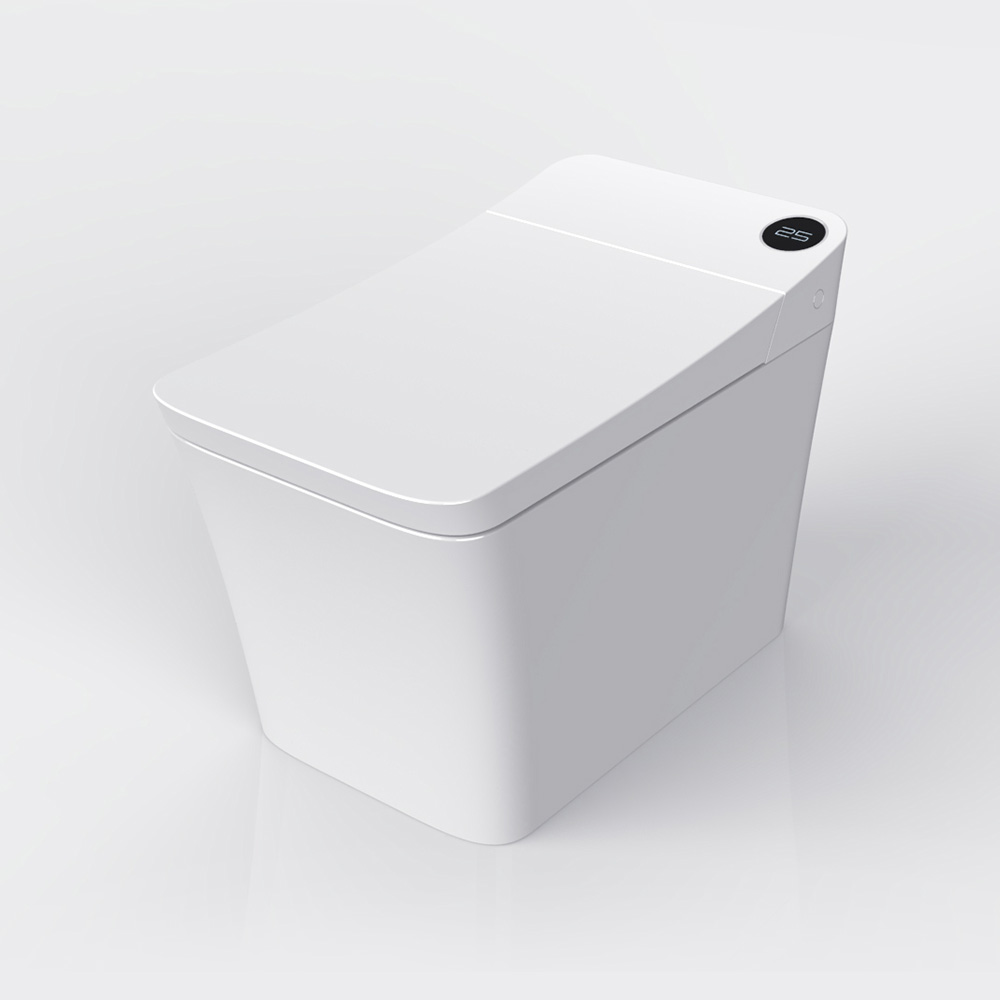
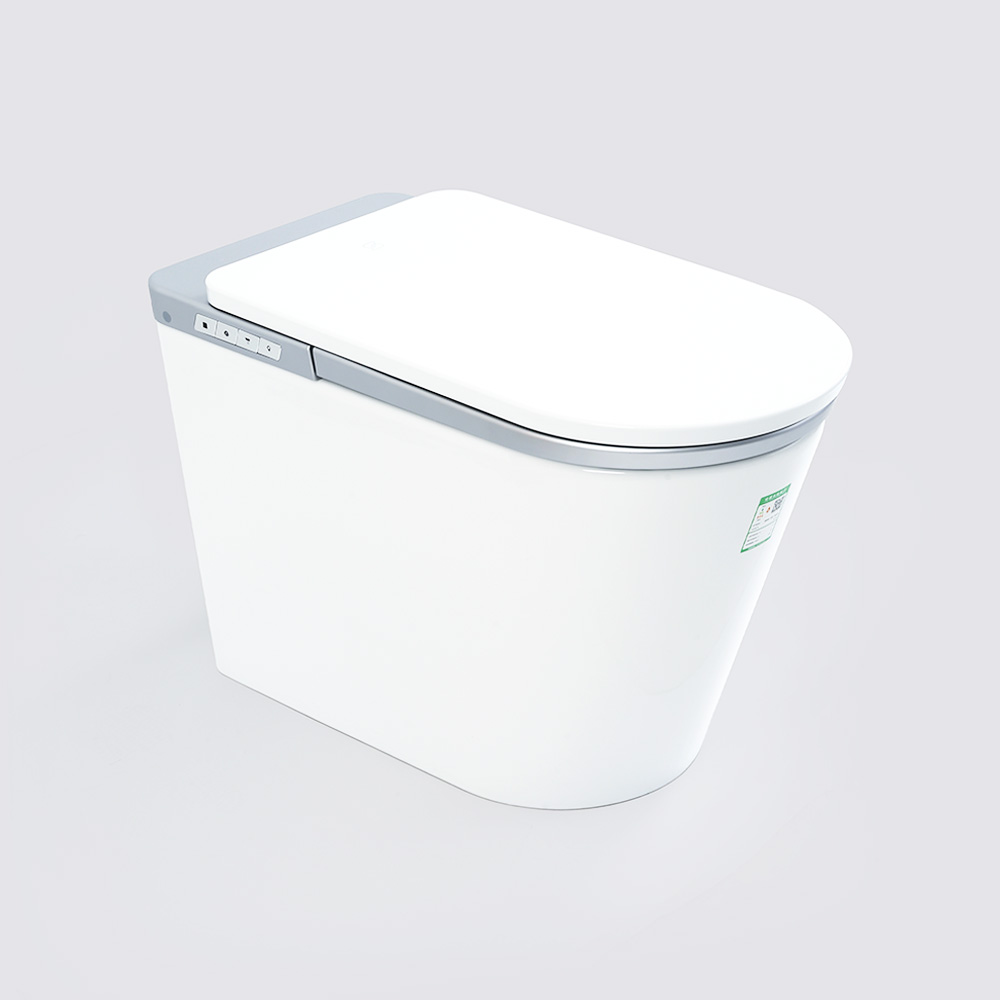
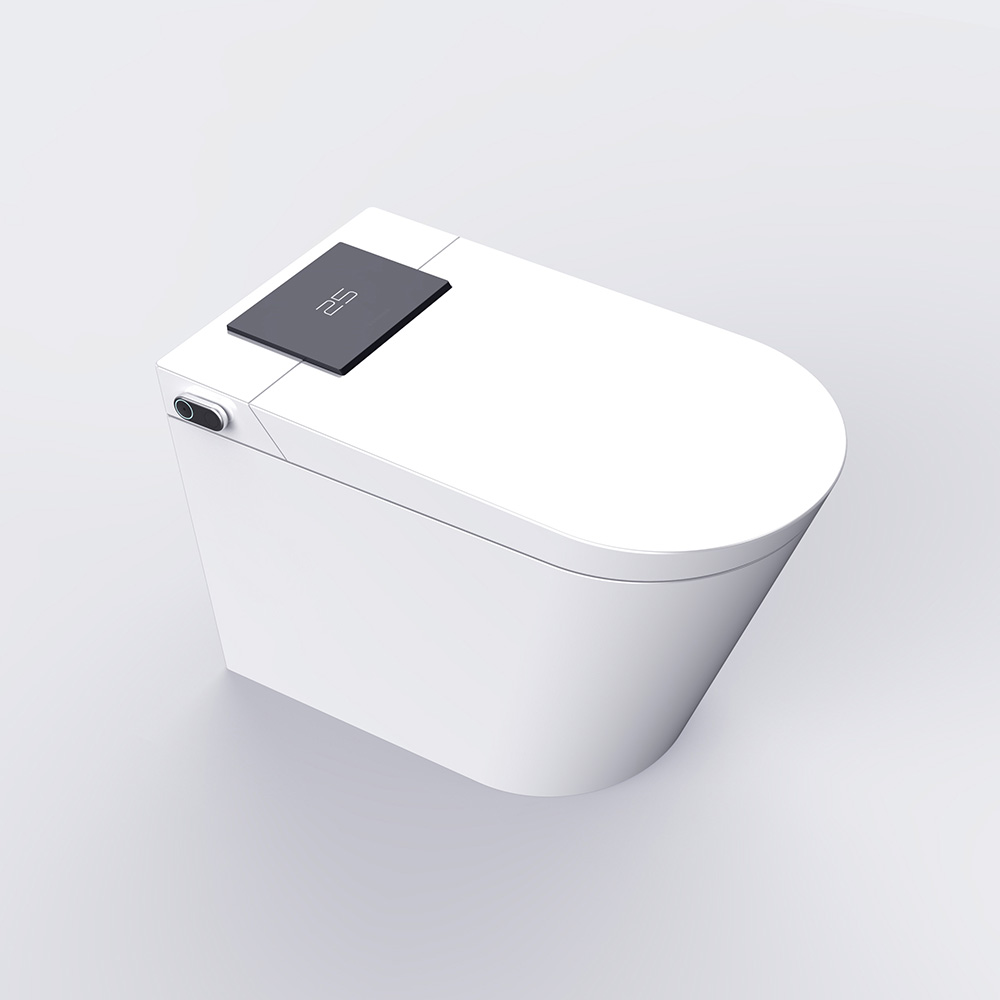
A Automatic Flip Smart Toilet Seat often enters a hotel renovation project after the bathroom layout has already been discussed. Contractors usually do not start with the toilet seat itself. They begin with room plans, plumbing positions, electrical points, and future maintenance arrangements. The seat becomes one part of a larger installation process that involves designers, builders, suppliers, and hotel operation teams.
Another keyword commonly used during project communication is smart toilet seat, especially when contractors compare traditional bathroom upgrades with automated solutions for guest rooms.
Before installation begins, workers usually check several practical points.
Power location.
Water connection.
Wall distance.
Cleaning space.
These details appear simple on drawings but become important during actual construction.
A Automatic Flip Smart Toilet Seat may fit the product specification, yet the installation environment still determines whether the final operation feels smooth.
Project teams often discover small issues during site inspection.
The cable position needs adjustment.
The maintenance gap needs confirmation.
The bathroom layout requires a minor change.

These situations are common during hotel renovation because every room has its own construction history.
A hotel bathroom does not follow a family schedule.
One guest checks out.
Another guest arrives.
Cleaning staff enter between stays.
The same equipment may experience completely different usage patterns within one day.
For this reason, hotel purchasing teams usually review the performance of a smart toilet seat through repeated operation rather than a single showroom demonstration.
Housekeeping workers often become the group to notice changes.
A lid movement sounds different.
A sensor response becomes slower.
A cleaning step takes longer than before.
Small observations from daily work often become part of maintenance discussions.
After a hotel renovation is completed, suppliers usually leave installation information for future reference.
Technicians may record:
installation date confirmed
sensor function tested
power connection checked
bathroom unit inspected
These notes may look ordinary, but they become useful when maintenance teams handle hundreds of guest rooms later.
A repair worker entering a room months after completion may not know the original installation process. Previous records provide a quick reference before inspection begins.
Not every commercial bathroom works under the same conditions.
A city hotel may have continuous guest turnover.
A business hotel may have different occupancy patterns during weekdays and weekends.
A serviced apartment may operate more like a residential environment.
Because of these differences, a Automatic Flip Smart Toilet Seat is often discussed according to the building type rather than only the product category.
During purchasing conversations, contractors usually ask about expected usage frequency, installation conditions, and maintenance arrangements before confirming quantities.
The smart toilet seat selection process becomes closely connected with the entire bathroom project schedule.
The renovation team eventually leaves.
The hotel continues operating.
Housekeeping staff clean rooms every day.
Maintenance workers handle inspections.
Guests continue using the bathroom without seeing the installation process behind the walls.
Over time, the actual performance of a Automatic Flip Smart Toilet Seat comes from these ordinary daily cycles.
Facility records gradually collect information from different rooms.
Some units require adjustment.
Some continue operating normally.
Some bathrooms receive upgrades during later renovation periods.
The smart toilet seat used in commercial buildings therefore becomes part of a longer maintenance history built from installation records, housekeeping observations, and everyday guest usage rather than only the original project specifications.
Copyright © Seewin Technology (Zhejiang) Co., Ltd.All Rights Reserved.
Customized Functional Electric Smart Toilet Factory

 English
 中文简体
中文简体 русский
 Français
 Español
 عربى
عربى Türk
Türk