
Sep 11,2026
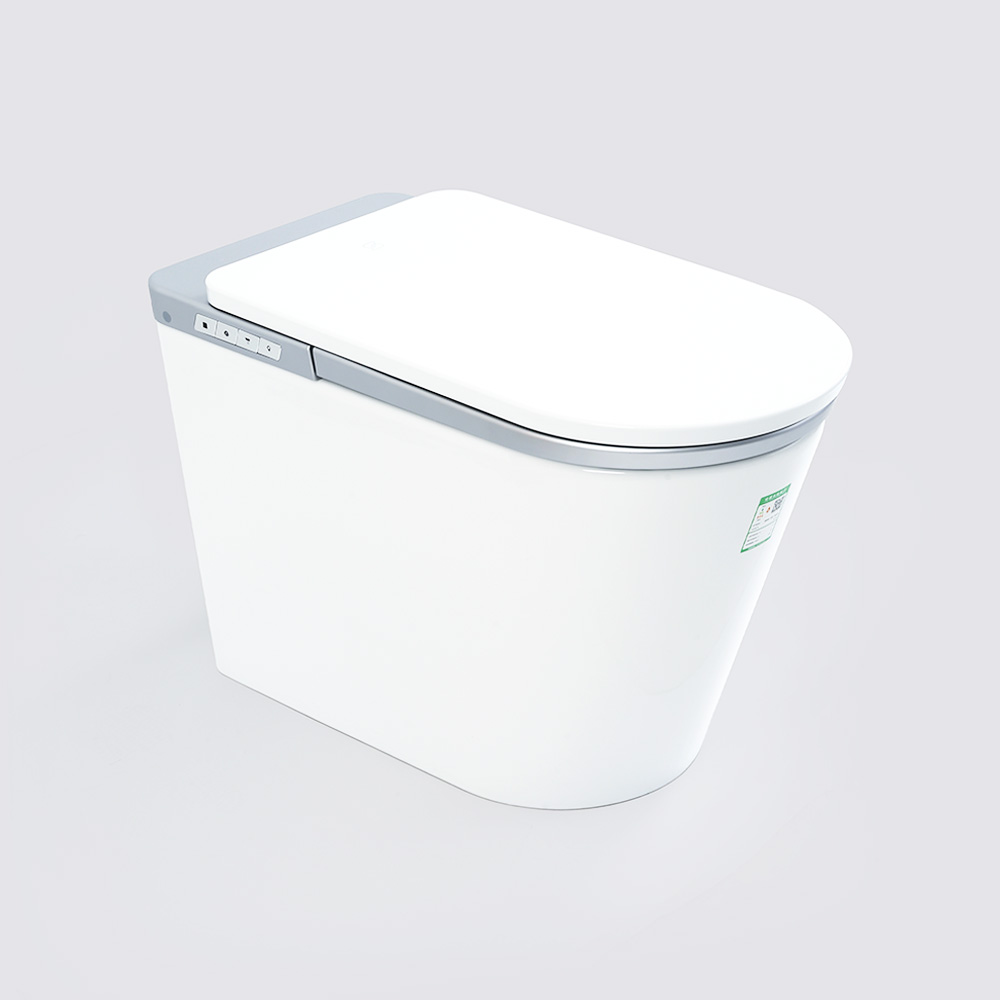
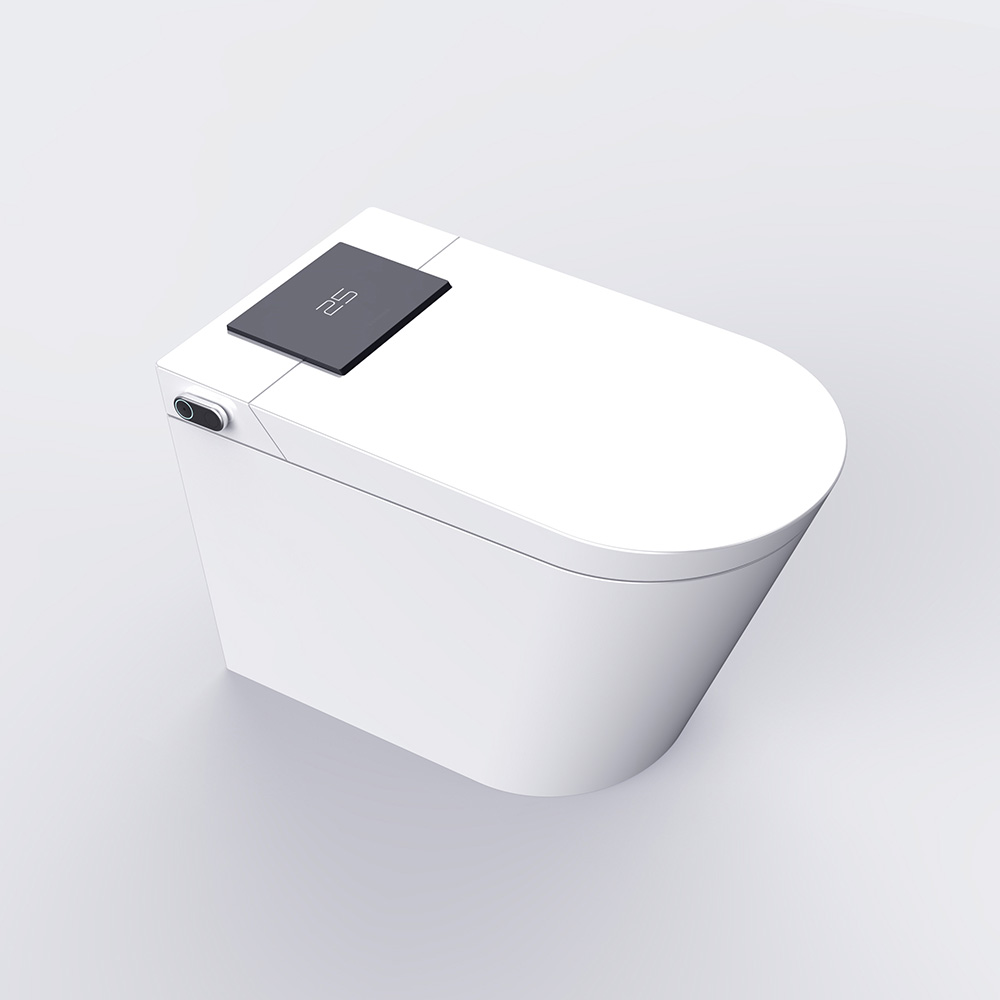
A Smart Heated Toilet built around instant water heating skips the storage tank entirely, warming water as it passes through rather than pulling from a reservoir kept hot around the clock. That design choice sounds like a straightforward upgrade until a buyer looks at what instant heating trades away to get there: a tank-based system delivers a steady flow at a fixed temperature no matter how many uses happen back to back, while an instant system has to heat each pass of water fast enough to keep pace with flow rate, and that heating element has a ceiling on how much water it can bring up to temperature per second.
The practical effect shows up in households with more than one or two bathroom visits close together. A Smart Heated Toilet with a well-sized instant heating element handles that fine, holding temperature steady even during back-to-back use. An undersized element shows a small but noticeable temperature dip on the second use, since the heating coil hasn't fully recovered before the next cycle draws water through it again. Buyers comparing units on wattage alone are looking at the wrong number; the heating element's recovery time under repeated short cycles matters more than peak wattage on a spec sheet, and that figure rarely appears without asking the factory directly. A short recovery test, run through five or six uses spaced a few minutes apart, exposes the difference between a heating element sized for the bowl and one sized to match a spec sheet number.

Ceramic bowls marketed as antibacterial rely on the glaze bonding into the surface during firing, not a coating applied afterward that can wear thin with repeated cleaning. A bowl fired at a high enough temperature produces a denser, lower-absorption surface where bacteria and odor have less porous material to take hold in, while a lower firing temperature leaves a surface that looks identical out of the box but degrades faster once abrasive cleaners and hard water minerals get involved. A Smart Heated Toilet built on this kind of glaze needs the firing spec documented, because a factory quoting the same antibacterial claim on two different production lines is not necessarily using the same process to get there. Requesting a batch test result on water absorption rate gives a buyer something more concrete to compare against than a marketing claim printed on packaging.
An instant heating element combines electrical components with standing water in close proximity, which is exactly the kind of design that regulatory testing exists to check. UL or equivalent safety certification on the heating and control components tells a buyer the electrical design has been tested for exactly this failure mode, separate from whatever general product certification covers the ceramic bowl itself. A Smart Heated Toilet program supplying multiple export markets should track certification by component, not just by finished product, because a heating element swapped between production runs can change what the original certification actually covers. A finished-unit certificate on file does not automatically carry over once the electrical core inside changes, even when the outer shell and model number stay the same.
None of these three factors show up in a feature list built around a display screen or a one-touch control knob. A Smart Heated Toilet that performs the way its marketing promises depends on heating element sizing, glaze firing consistency, and certification tracking working together well before the unit reaches a bathroom.
Copyright © Seewin Technology (Zhejiang) Co., Ltd.All Rights Reserved.
Customized Functional Electric Smart Toilet Factory

 English
 中文简体
中文简体 русский
 Français
 Español
 عربى
عربى Türk
Türk