
Sep 18,2026
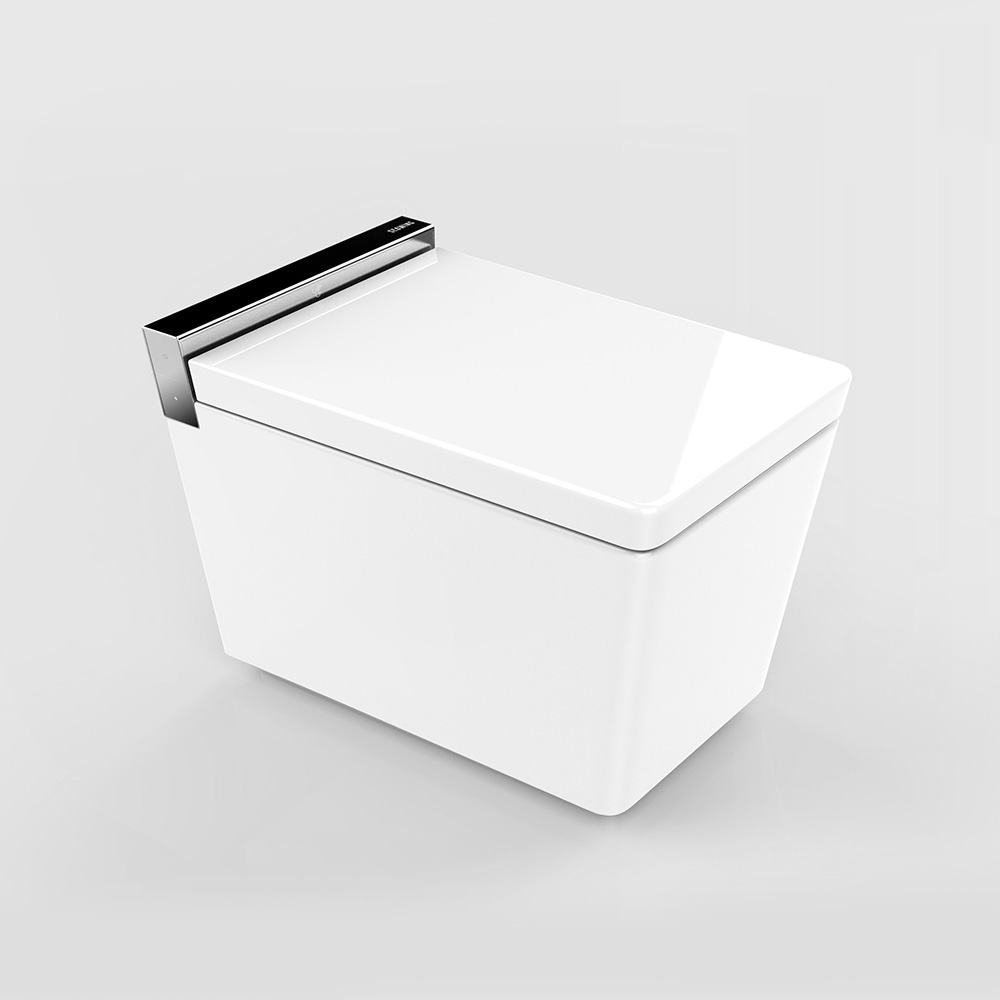
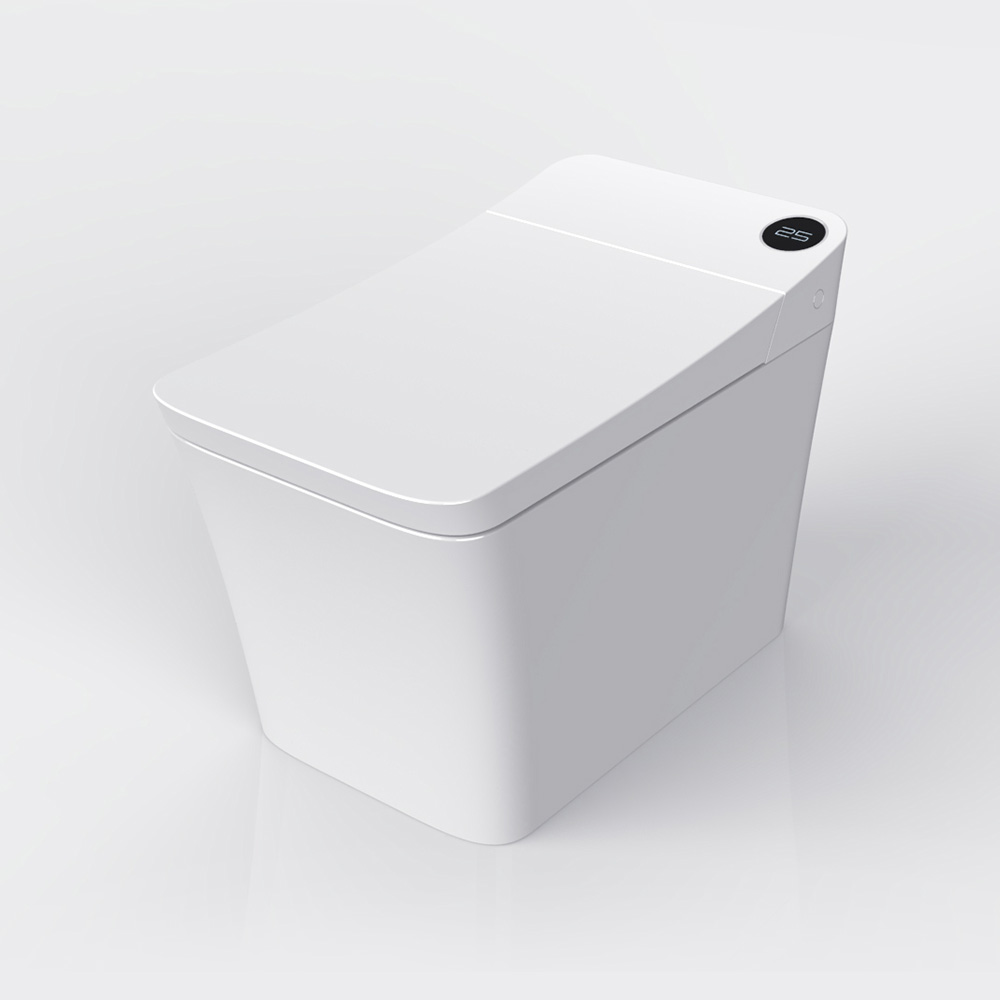
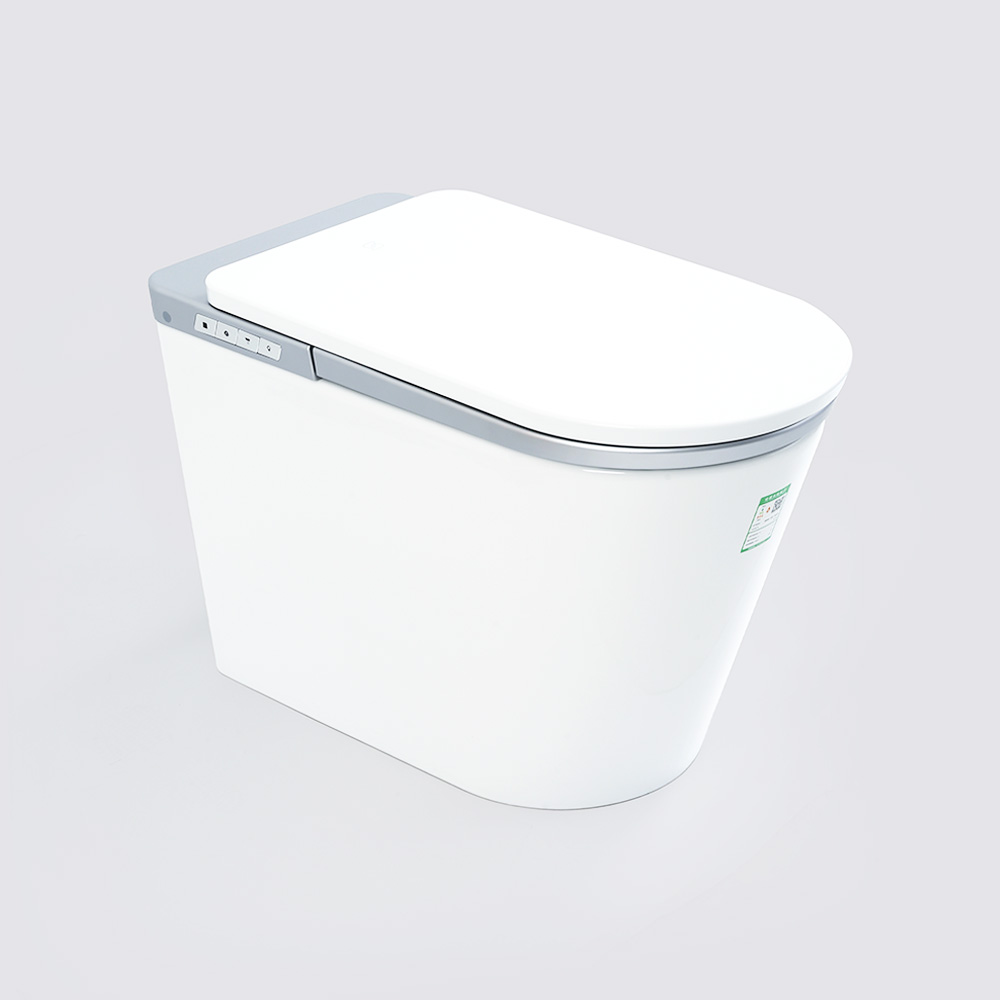
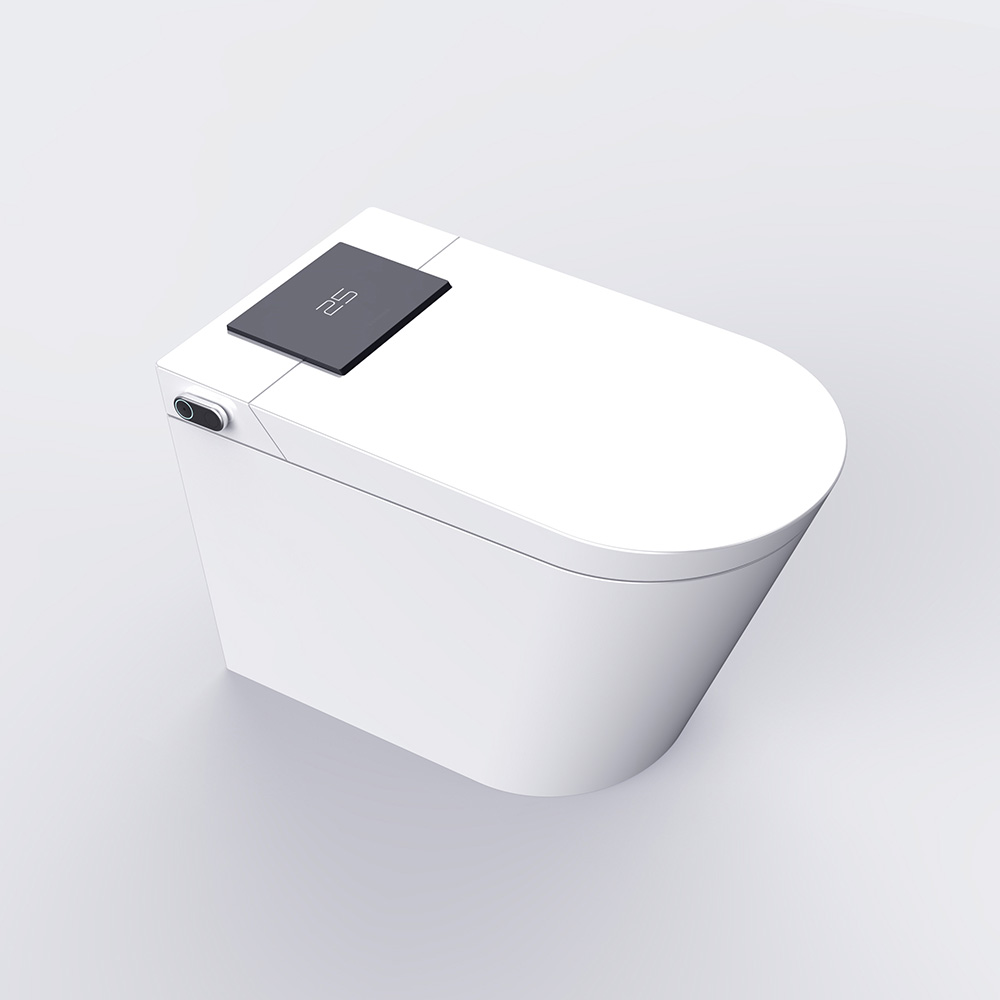
A distributor fitting out a batch of renovated units for a housing project pulls the old toilet, checks the wall behind it, and finds no drain stub sticking out at seat height. The drain runs down through the floor instead. That single detail decides the entire product line before anyone looks at flush technology, seat features, or app controls: this bathroom needs an S-trap Smart Toilet, not the wall-hung style sitting two rows over in the catalog. Trap configuration is fundamentally a plumbing decision, not a smart-feature decision, and treating it the other way around is how orders end up back in a warehouse waiting on a return authorization.
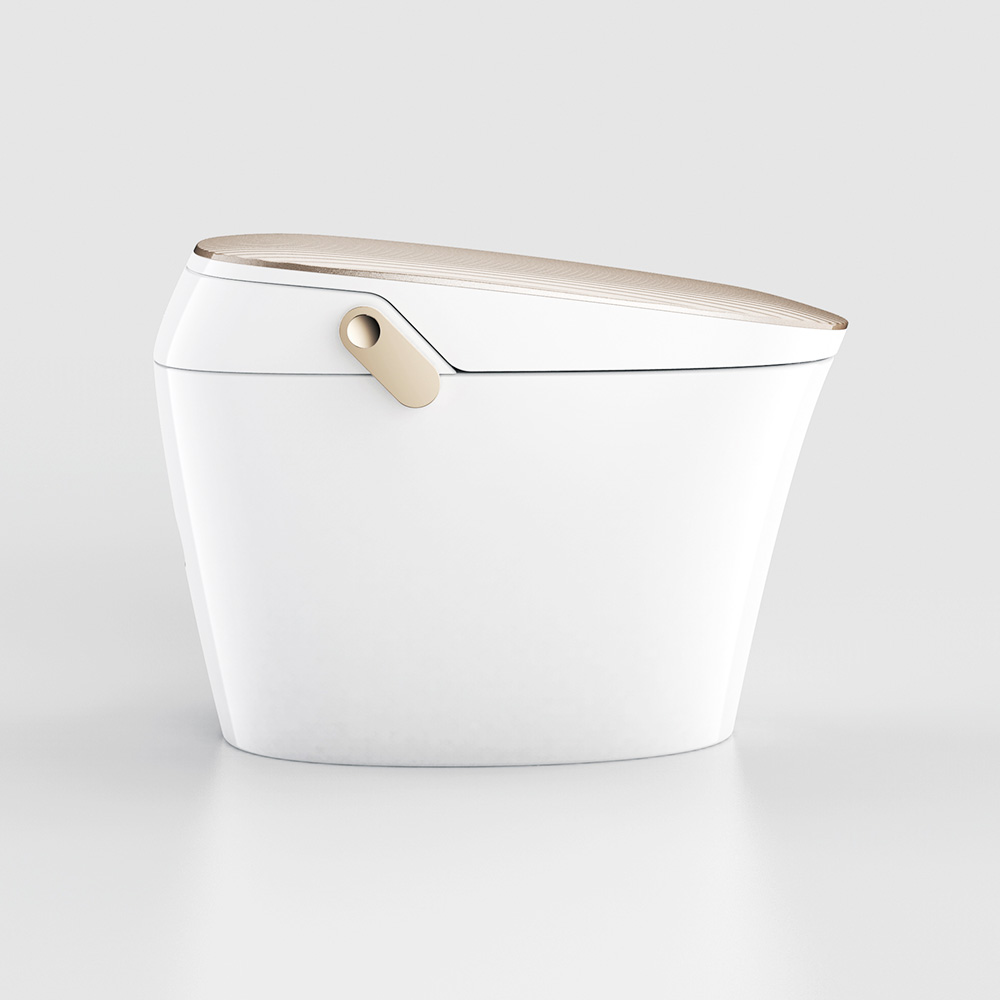
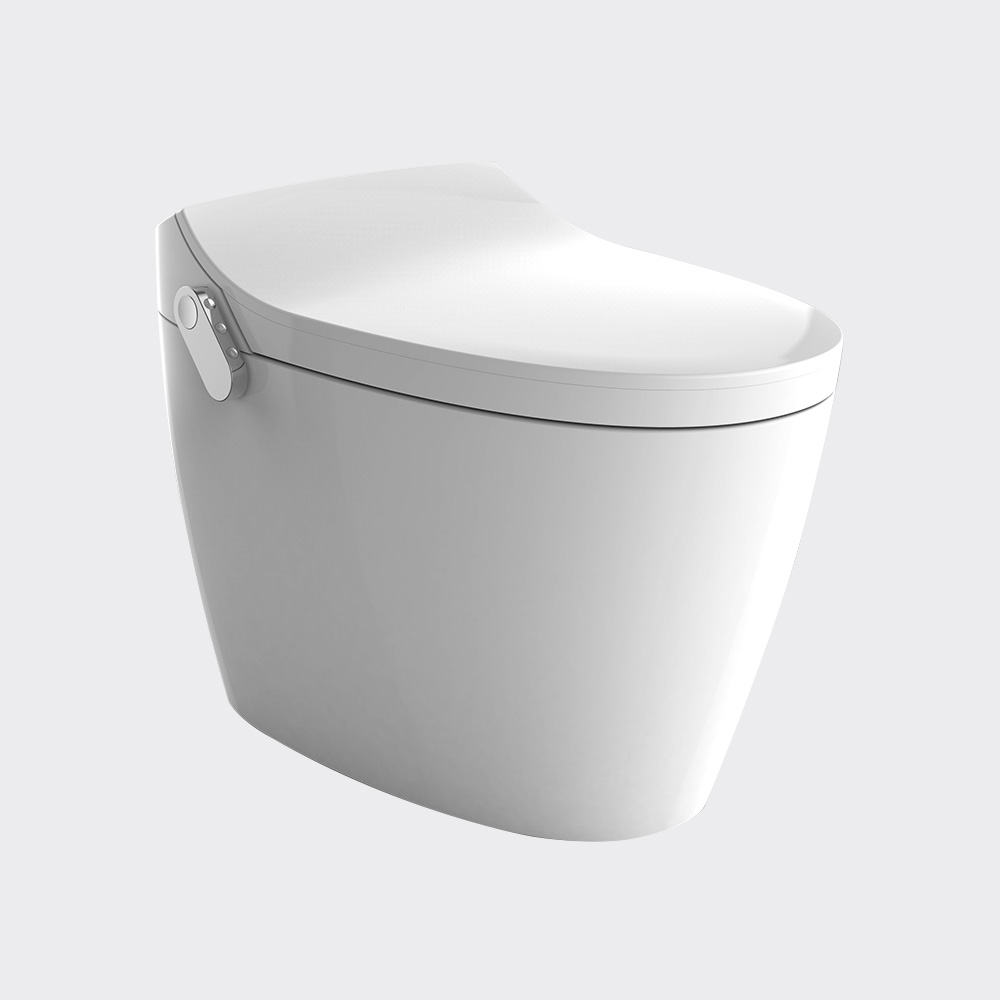
An S-trap toilet connects to a drain pipe running vertically down through the floor directly behind the bowl, and the distance from the finished wall to the center of that drain opening is the measurement that determines whether a given unit will physically bolt down and seal correctly. Floor drains in this category commonly land at either 305mm or 400mm from the wall, and an S-trap Smart Toilet rated for both measurements gives a distributor flexibility across older and newer construction without stocking two separate product lines. A unit built for only one rough-in distance forces a choice between a costly floor modification or walking away from an otherwise good-fitting order, and that constraint rarely shows up until measurements come back from the installation site rather than from a general spec sheet. A sourcing team that requests actual rough-in figures for a renovation batch, instead of assuming new-construction standards apply, avoids discovering the mismatch after a container has already shipped.
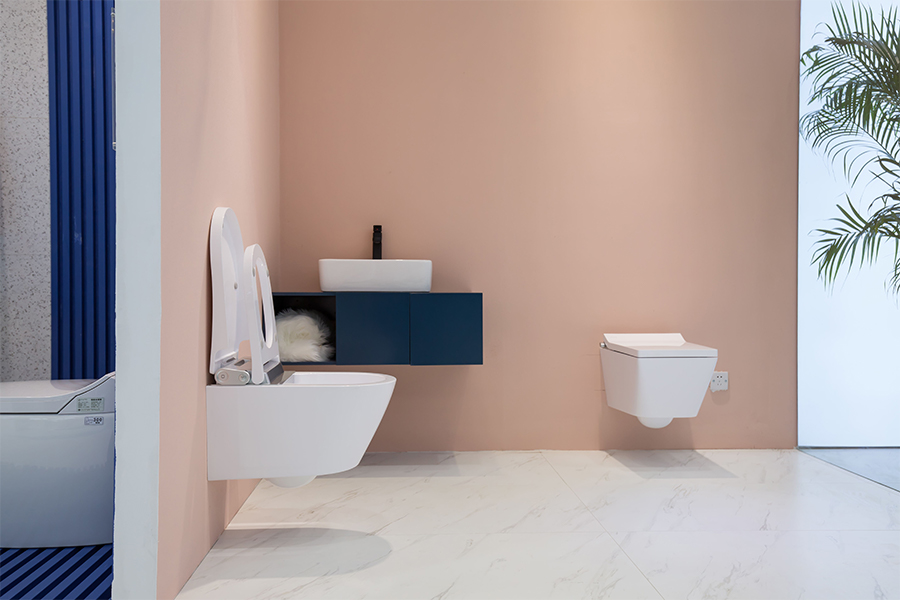
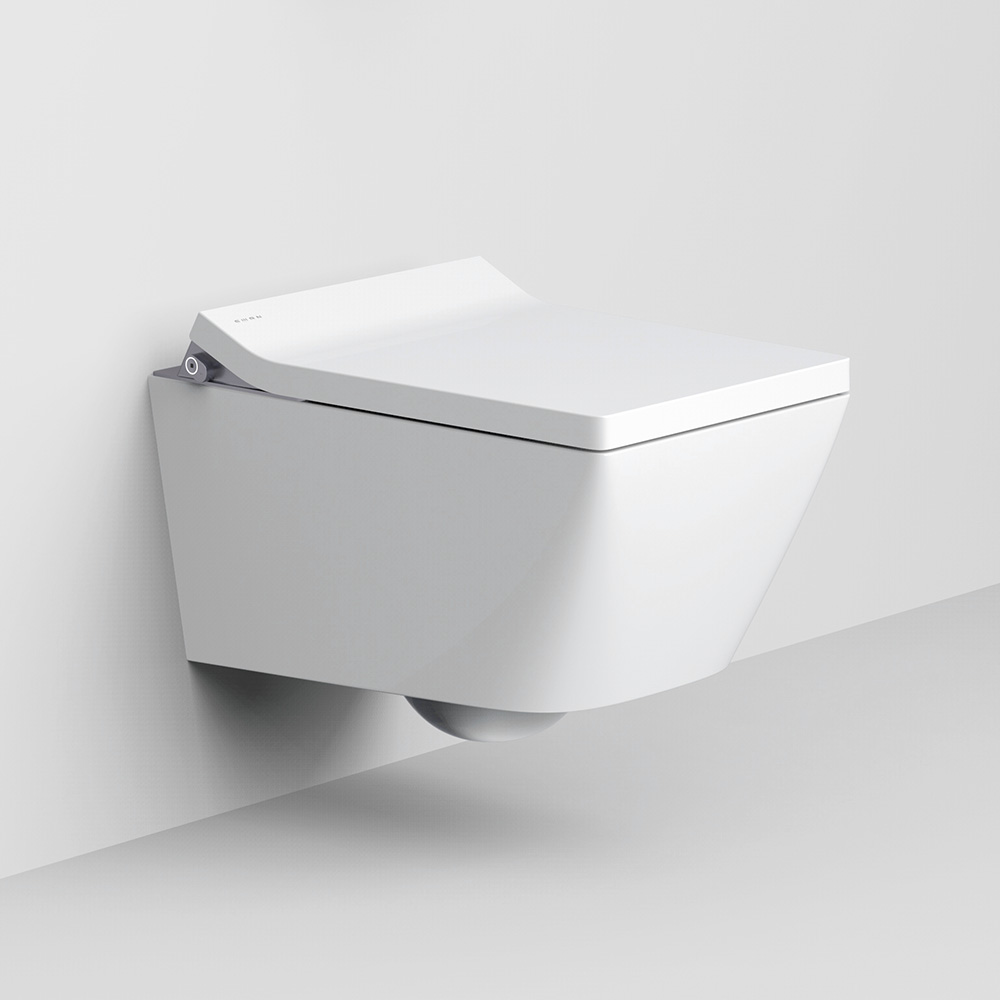
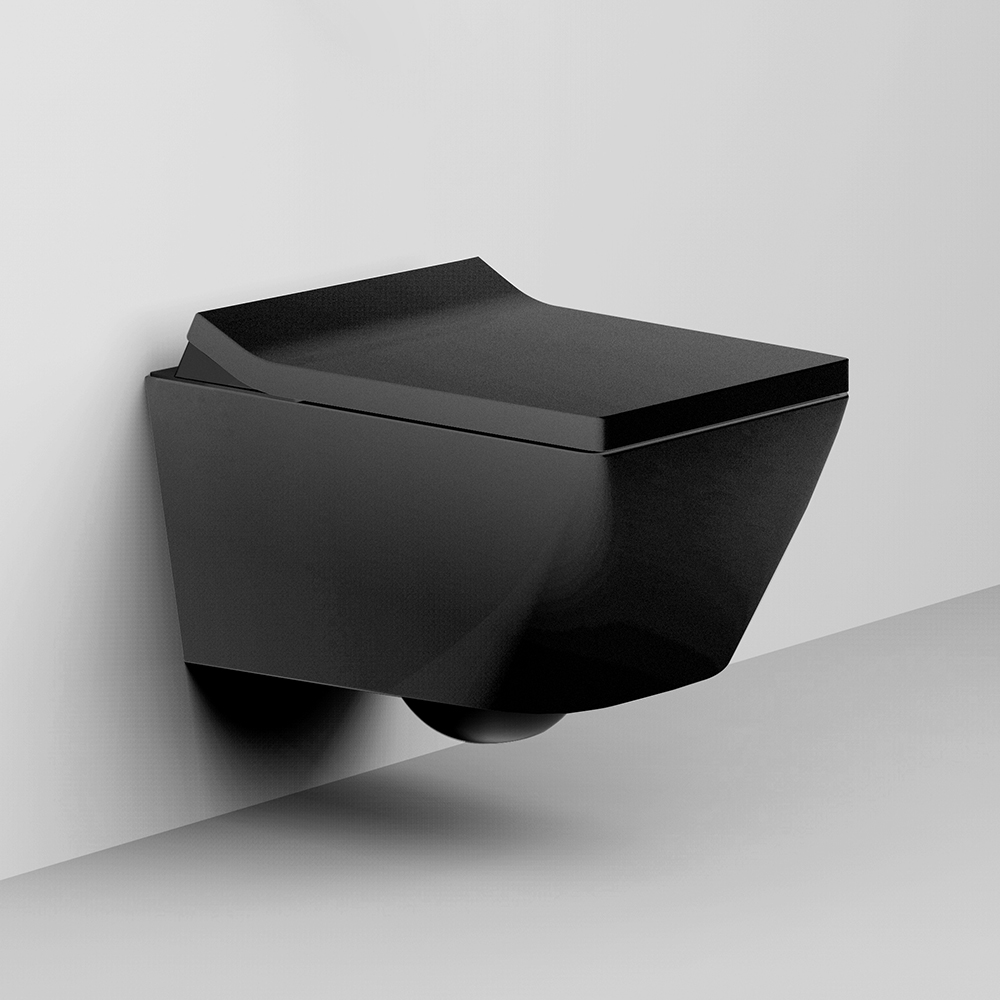
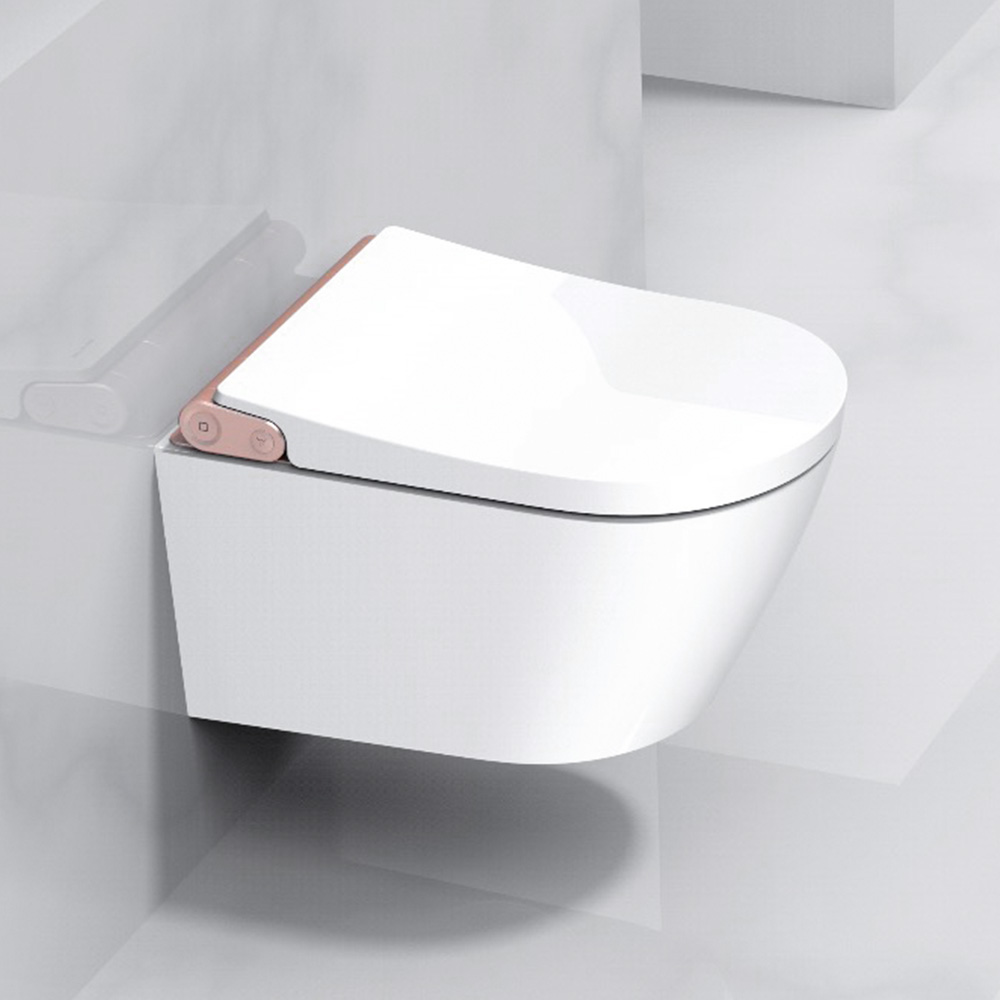
When the drain comes out of the wall instead of the floor, forcing an S-trap Smart Toilet into that bathroom means routing new plumbing through the floor slab, which turns a fixture swap into a construction project. This is where a P-trap smart toilet, built to connect to a horizontal wall outlet and typically paired with an in-wall tank or carrier system, becomes the better match rather than a downgrade. Distributors building a catalog around a single S-trap line eventually run into a customer whose bathroom simply cannot accept it, and stocking both trap configurations from the same supplier avoids losing that order to a competitor who carries the wall-mounted option. Sample orders for renovation projects benefit from confirming trap type against the actual drain location before a container of finished units arrives with nowhere to connect. A supplier able to quote both configurations from the same product family, sharing the same control electronics and seat features across an S-trap and a P-trap version, lets a distributor answer either kind of bathroom without maintaining two unrelated catalogs.
The distinction between these two configurations decides installation compatibility long before any smart feature comes into play, which is why measuring the drain location on an S-trap Smart Toilet order belongs at the start of a sourcing conversation rather than somewhere near the end of it.
Copyright © Seewin Technology (Zhejiang) Co., Ltd.All Rights Reserved.
Customized Functional Electric Smart Toilet Factory

 English
 中文简体
中文简体 русский
 Français
 Español
 عربى
عربى Türk
Türk