
Oct 23,2026
The ten smart toilets in the Seewin range list the same flushing system, yet their flush descriptions use many different phrases. A buyer reading a Toilet Smart Flush line needs to know one thing about each phrase: does it name a different function, or only a different way of saying the same function? Three questions answer that. Does the phrase name an action, a mechanism or a source? If it names one of the three, it describes a function. If it names only a degree, such as super or powerful, it is a label.
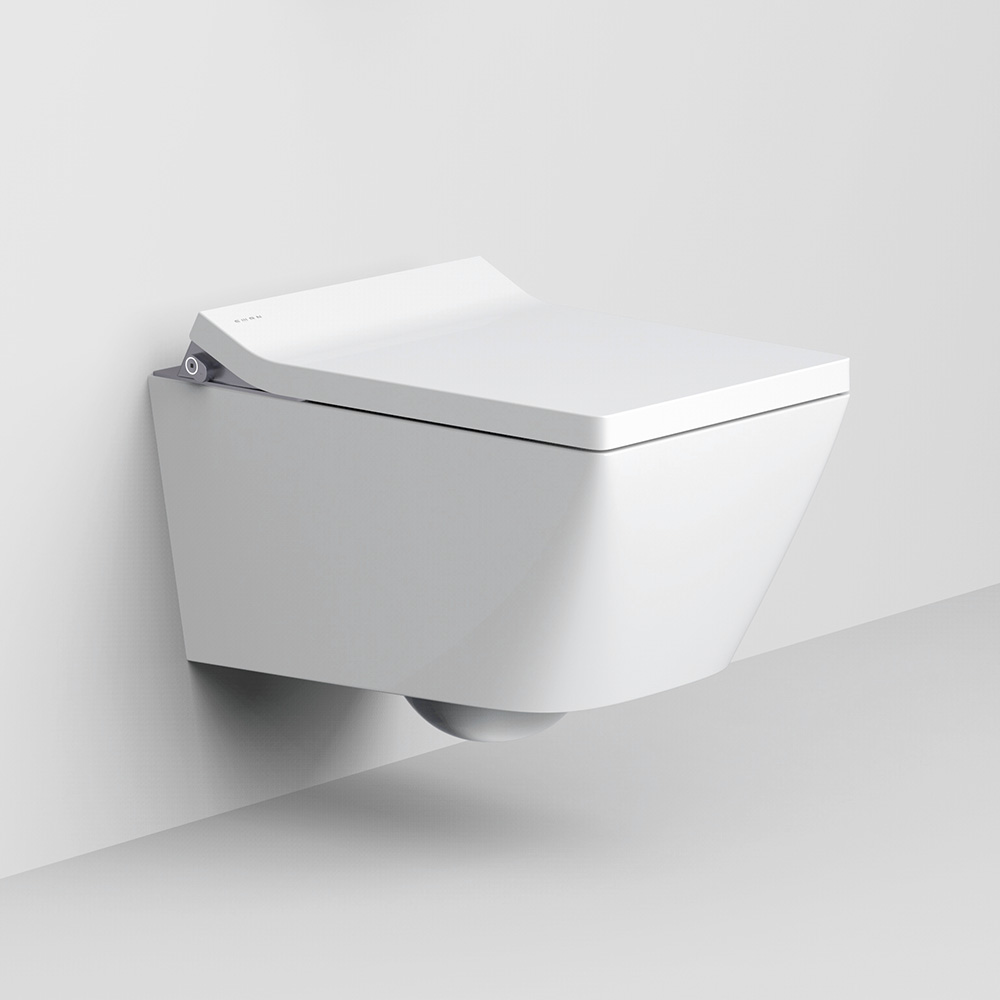
Every Toilet Smart Flush listing gives the flushing system as siphonic. In siphonic flushing, water entering the bowl fills the trap and sets up a siphon that draws the contents through the trap and out to the drain. Because all ten share it, the word siphon on a listing does not separate one model from another. The Hannover title carries the word siphon, and it names the base, not an extra.
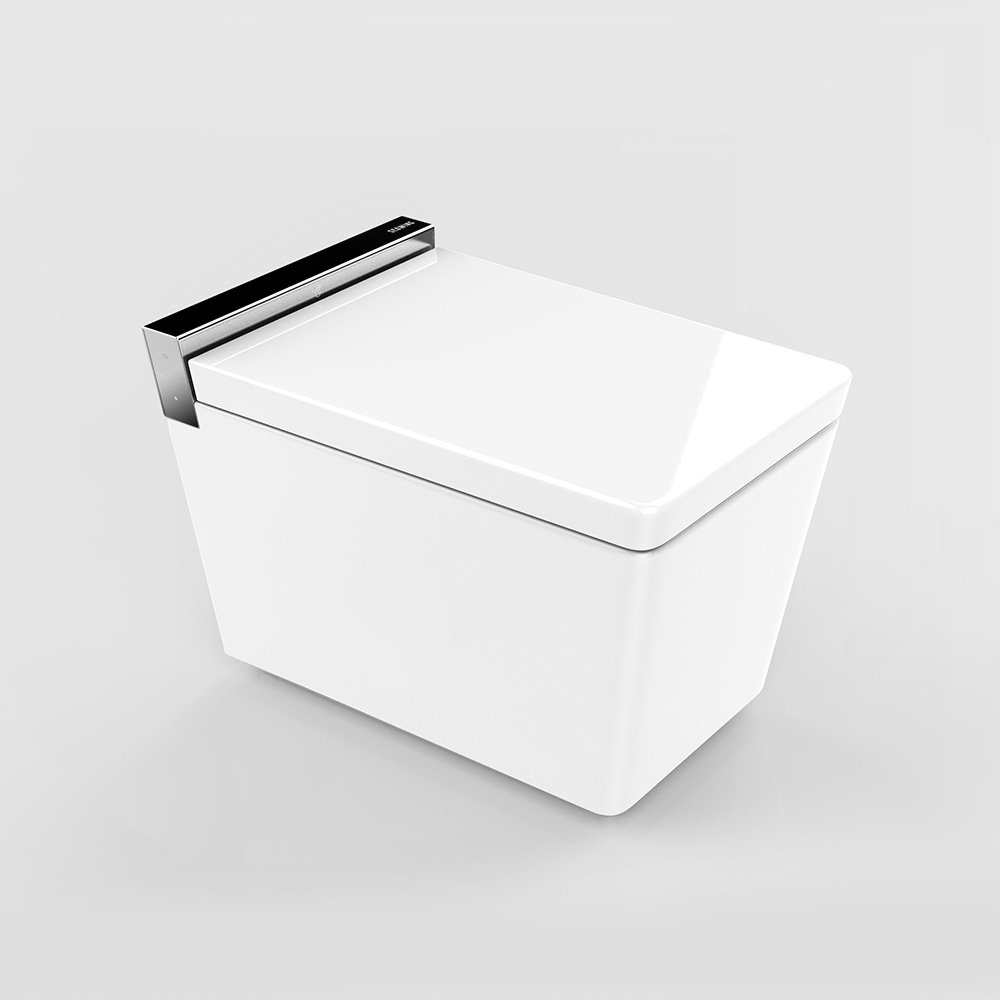
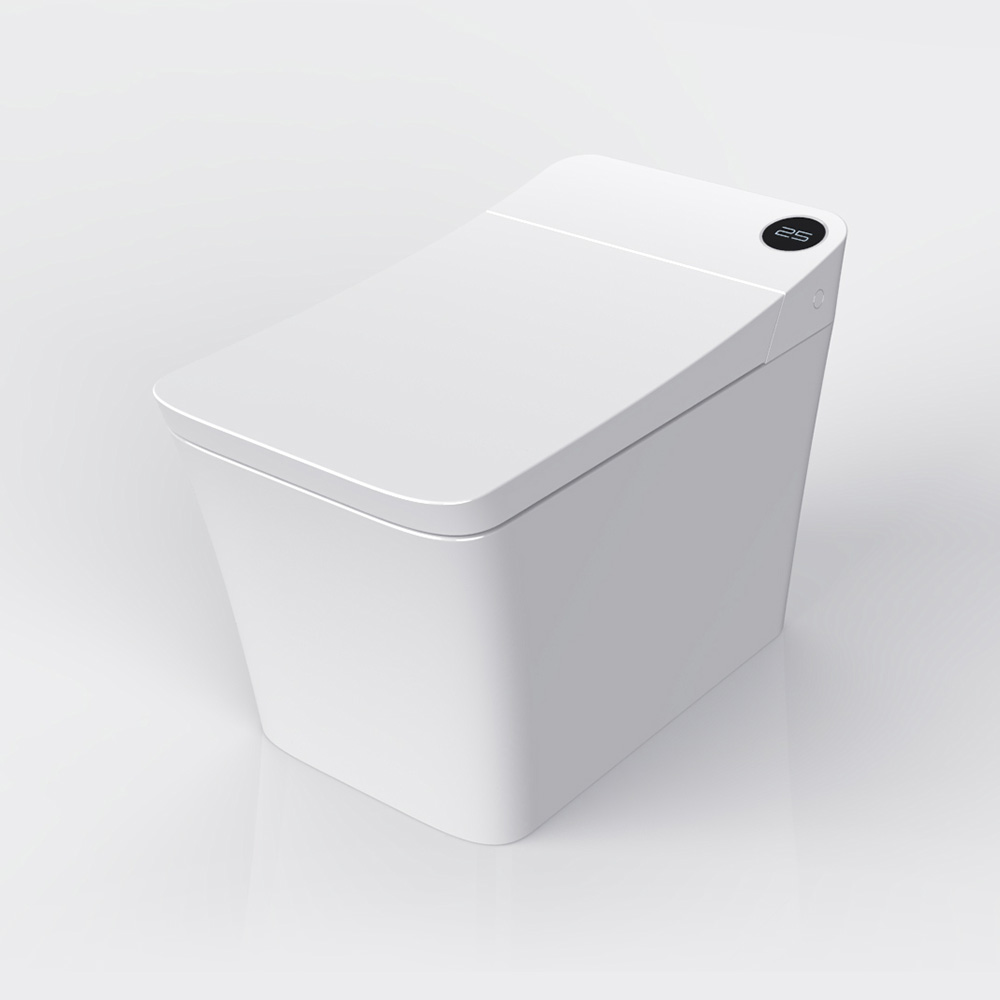
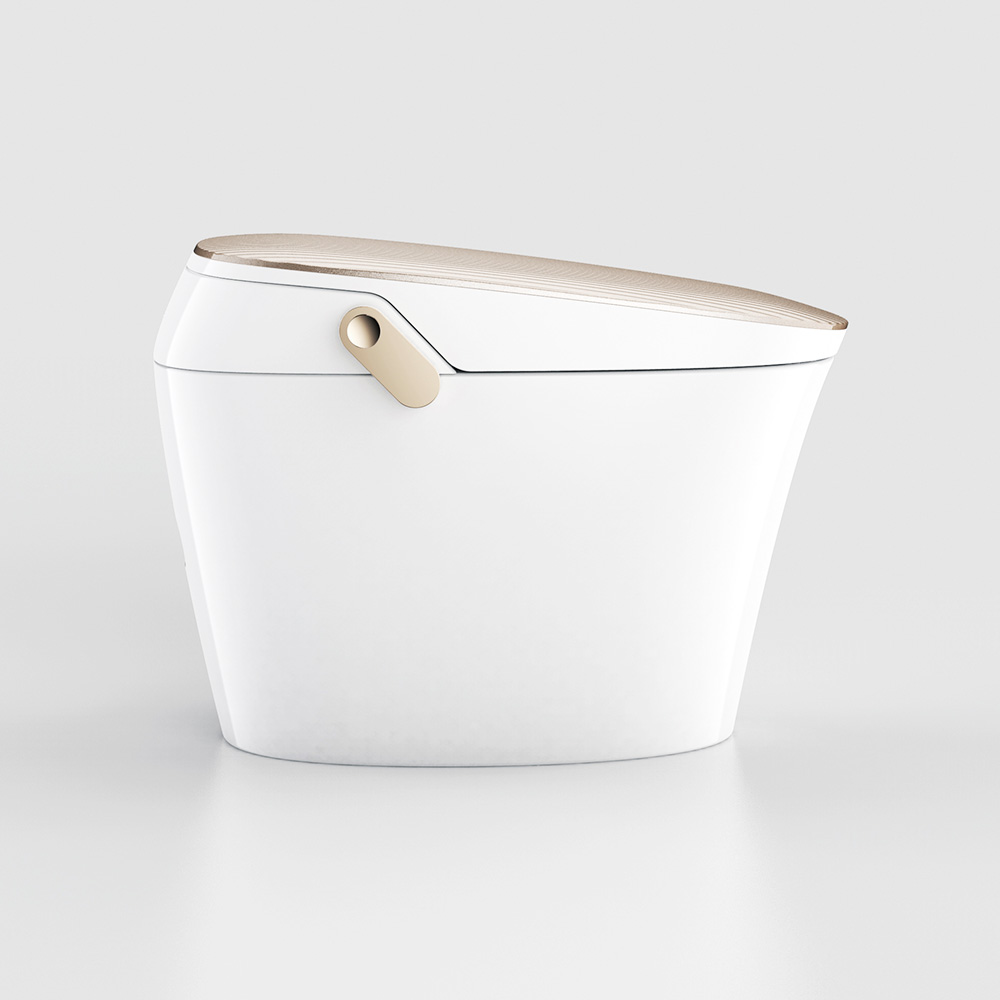
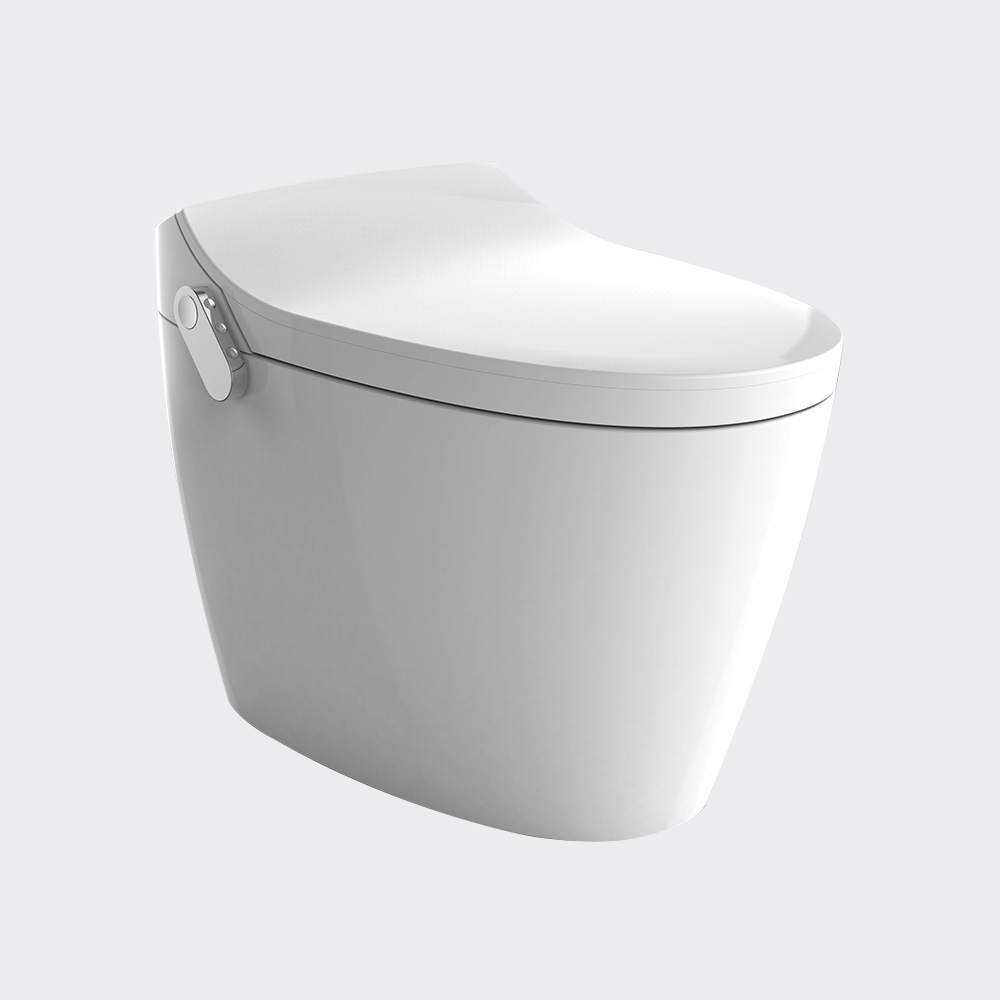
Some Toilet Smart Flush phrases say what makes the flush start, and those describe a function. The Hannover lists a flush when the user leaves the seat. The Liberty lists a flush after the body leaves, together with a hands-free inductive panel. The Freedom-SF2 lists a touch-free wave flush, which is a wave of the hand over a sensor. These are three different triggers, so they are three different functions, and a Toilet Smart Flush line that names an action can be compared with any other line that names one.
Two other phrases name no action. The Alice lists automatic flushing and the Anna lists auto flush. At the level the listings give, both say the flush is automatic, so they are two ways of saying one feature and not two features.
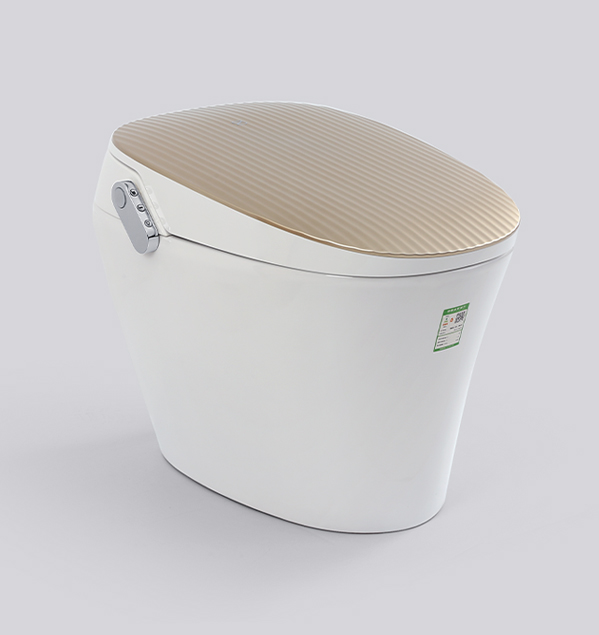
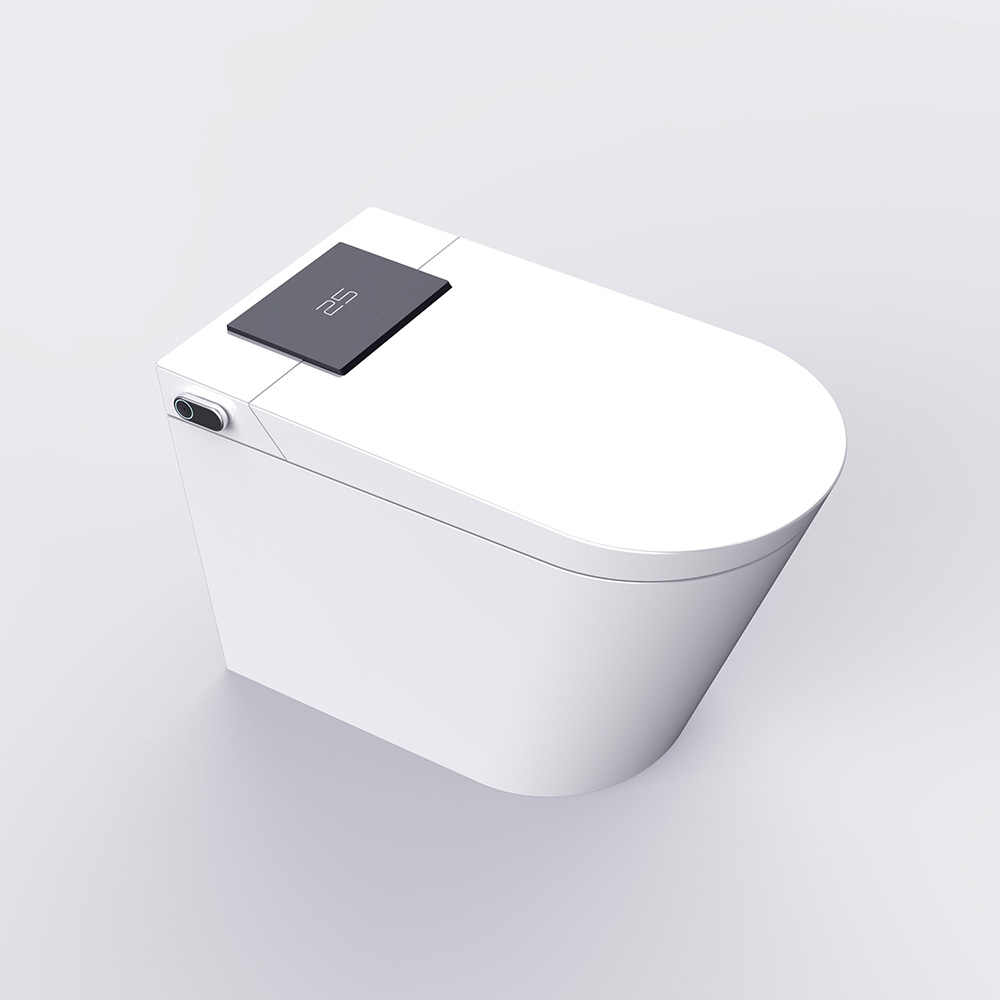
Mechanism phrases in a Toilet Smart Flush line describe how water moves in the bowl. The Munich-CM1 lists super whirlpool flushing, and the Freedom-SF2 lists BER Super vortex flushing technology. Whirlpool and vortex both describe swirling water, so they are two words for one kind of motion. Any difference between those two lines lies in the other words around them, not in the motion.
The Freedom-SF1 names something the others do not. Its listing says the technology mixes water and air, and it presents the flush as a further improvement on the basis of siphon. Air added to the water is a mechanism the swirl phrases do not mention, so this phrase describes a different function, a development of siphonic flushing, and not another word for swirl.
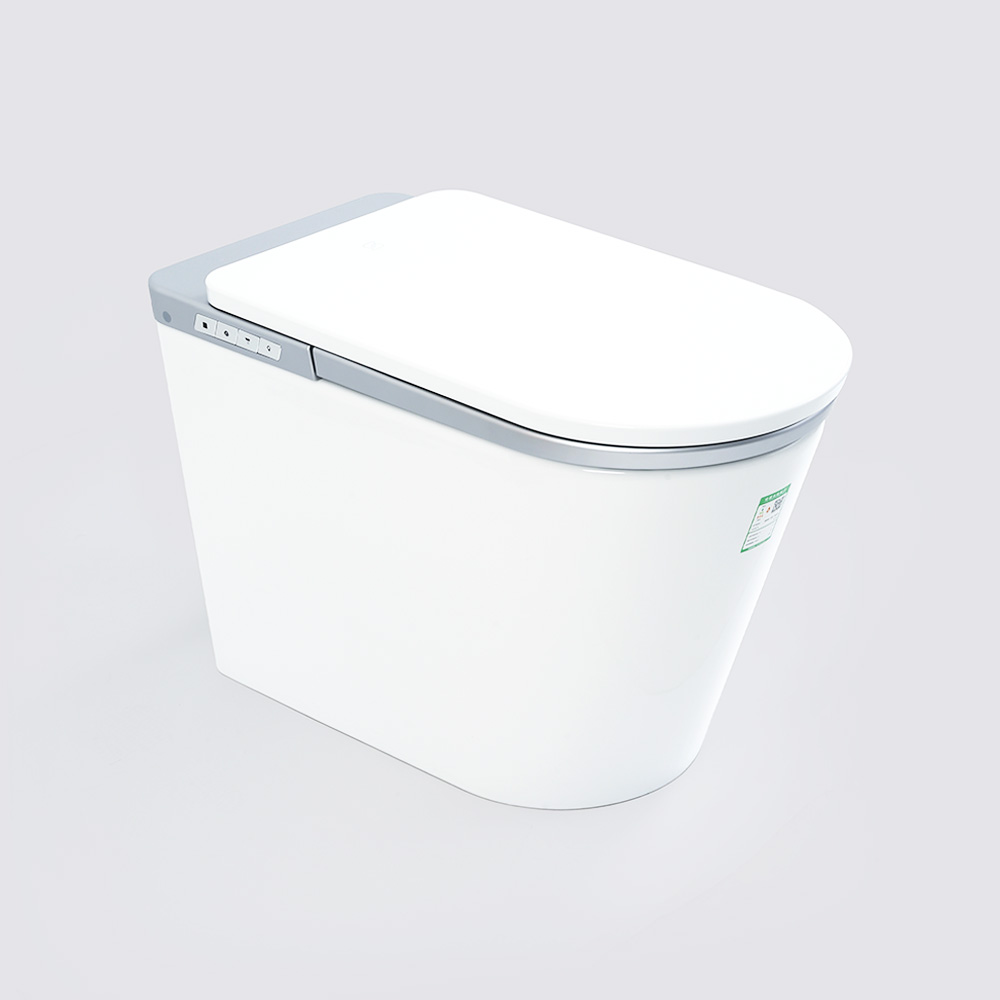
The words tankless and without tank describe where flush water comes from, and they separate models in a real way. The Leipzig is tankless, and the Hannover and the Victoria are listed without a tank. The Liberty has an in-wall cistern, the Freedom-SF2 a flush tank and the Freedom-SF1 an installed tank. A tankless toilet takes flush water from the supply line, and a tank or cistern holds a stored volume for each flush. These are two plumbing arrangements, so a Toilet Smart Flush buyer treats them as different functions.
Super, powerful and water saving appear in several Toilet Smart Flush titles. Each says how much, and none says what. Such a word separates two models only when a figure sits beside it, for example a water volume per flush. Without a figure it is a label. A buyer comparing two models sets it aside and compares the action, the mechanism and the source instead.
Apply the three questions to the Toilet Smart Flush lines of the Hannover and the Liberty. Both flush when the user leaves the seat, and both use siphonic flushing. The Liberty adds a hands-free inductive panel as a second trigger, and it takes its water from an in-wall cistern while the Hannover is tankless. Those are the real differences. Water saving appears in the Hannover title as a label, so it does not count.
Now take the Munich-CM1 and the Freedom-SF2. Whirlpool and vortex describe the same kind of water motion, so the bowl action does not separate them. The SF2 adds a wave trigger and a flush tank. Again, the differences are the trigger and the source, not the swirl. Read this way, a Toilet Smart Flush listing turns many different descriptions into three short comparisons: the trigger, the mechanism and the source.
Copyright © Seewin Technology (Zhejiang) Co., Ltd.All Rights Reserved.
Customized Functional Electric Smart Toilet Factory

 English
 中文简体
 русский
 Français
 Español
 عربى
 Türk