
Oct 16,2026
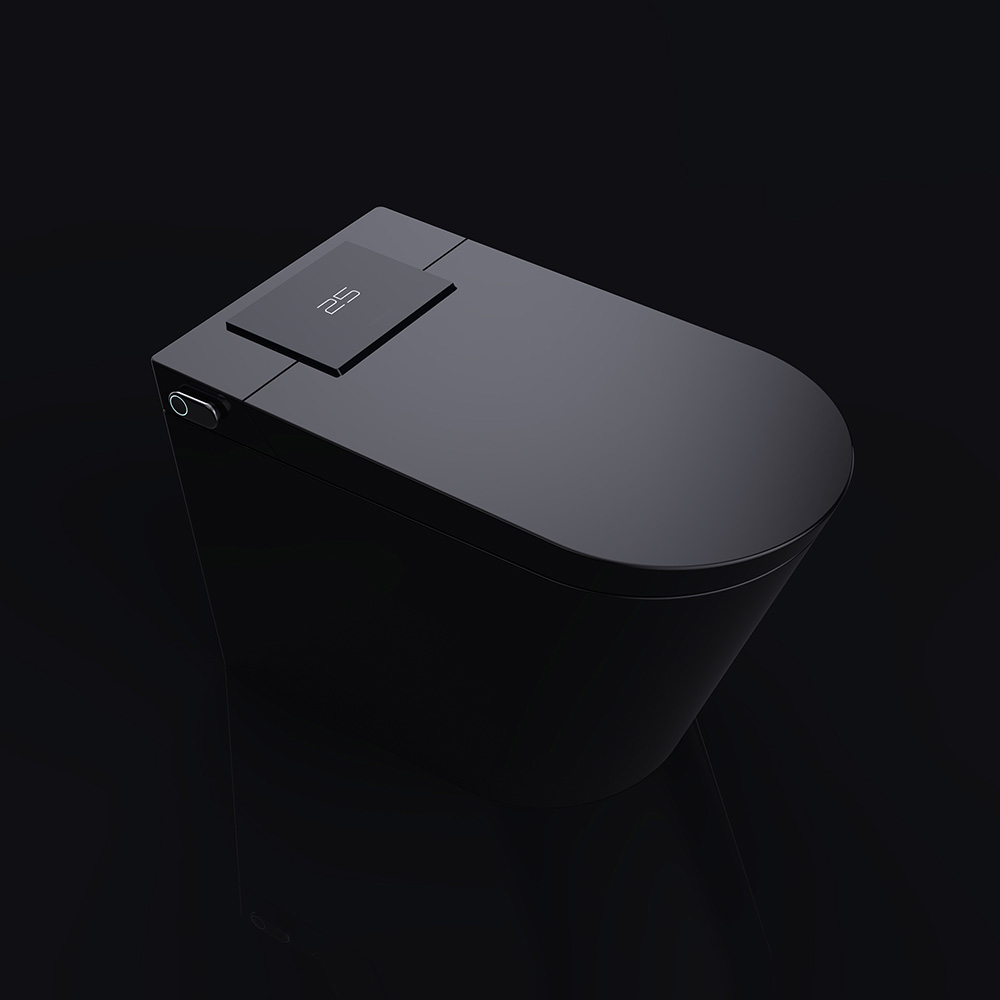
It is late at night. Someone walks into a dark bathroom, and a small night light is already on. A Smart Wash & Dry Electric Bidet Toilet has noticed them, and the next few minutes run in a set order that the user rarely has to think about. The cycle has four stages, and each one solves a separate problem.
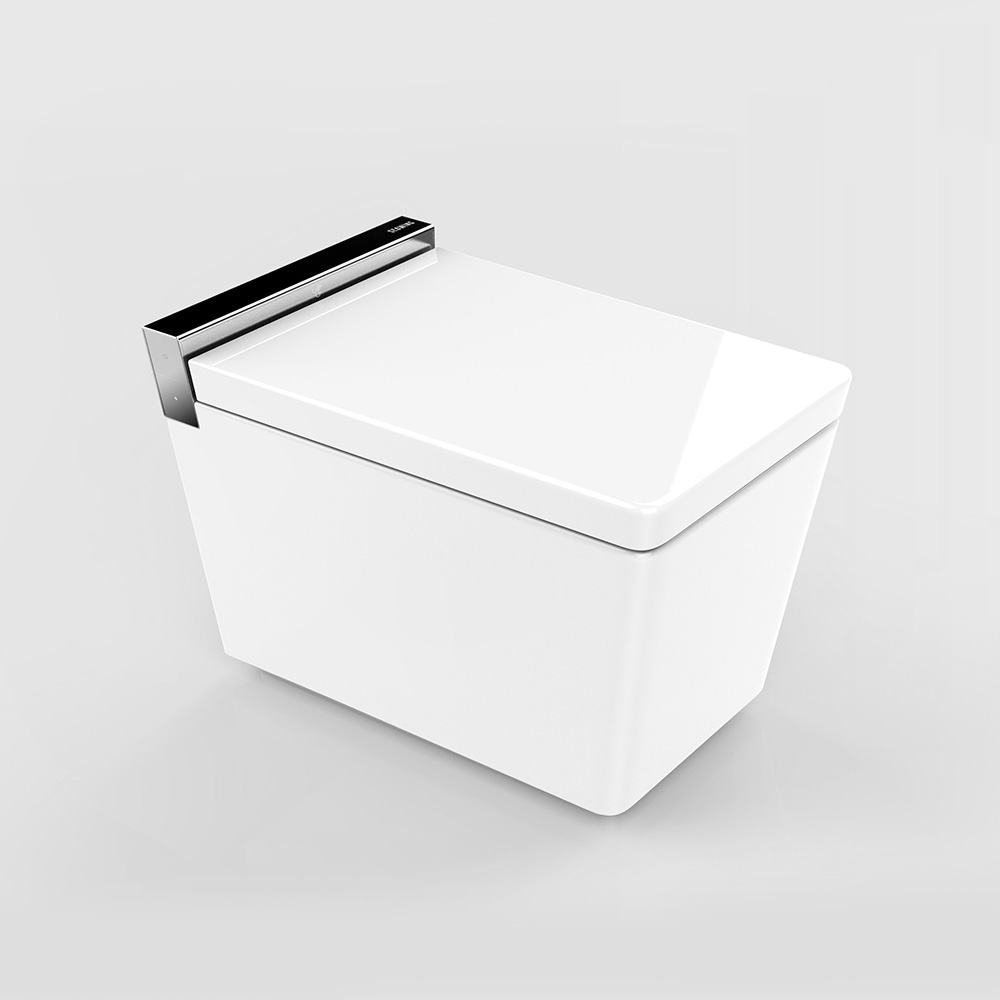
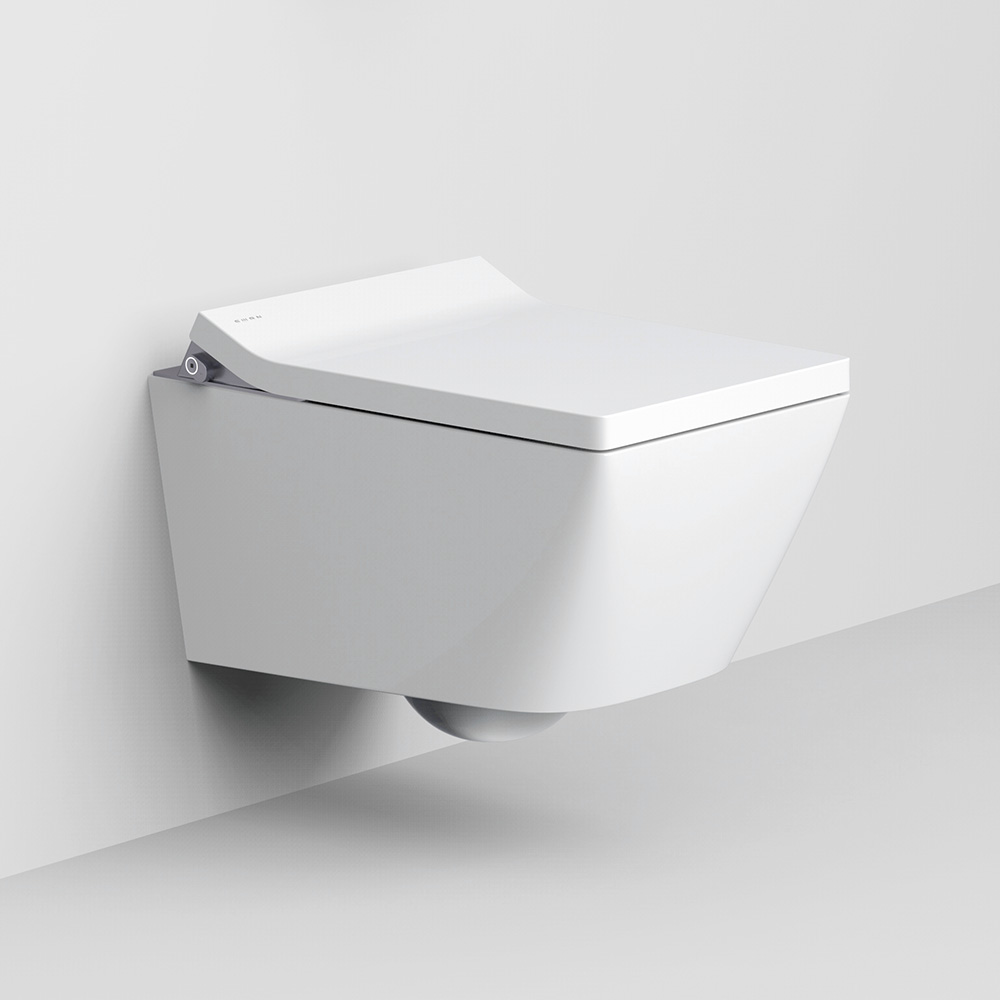
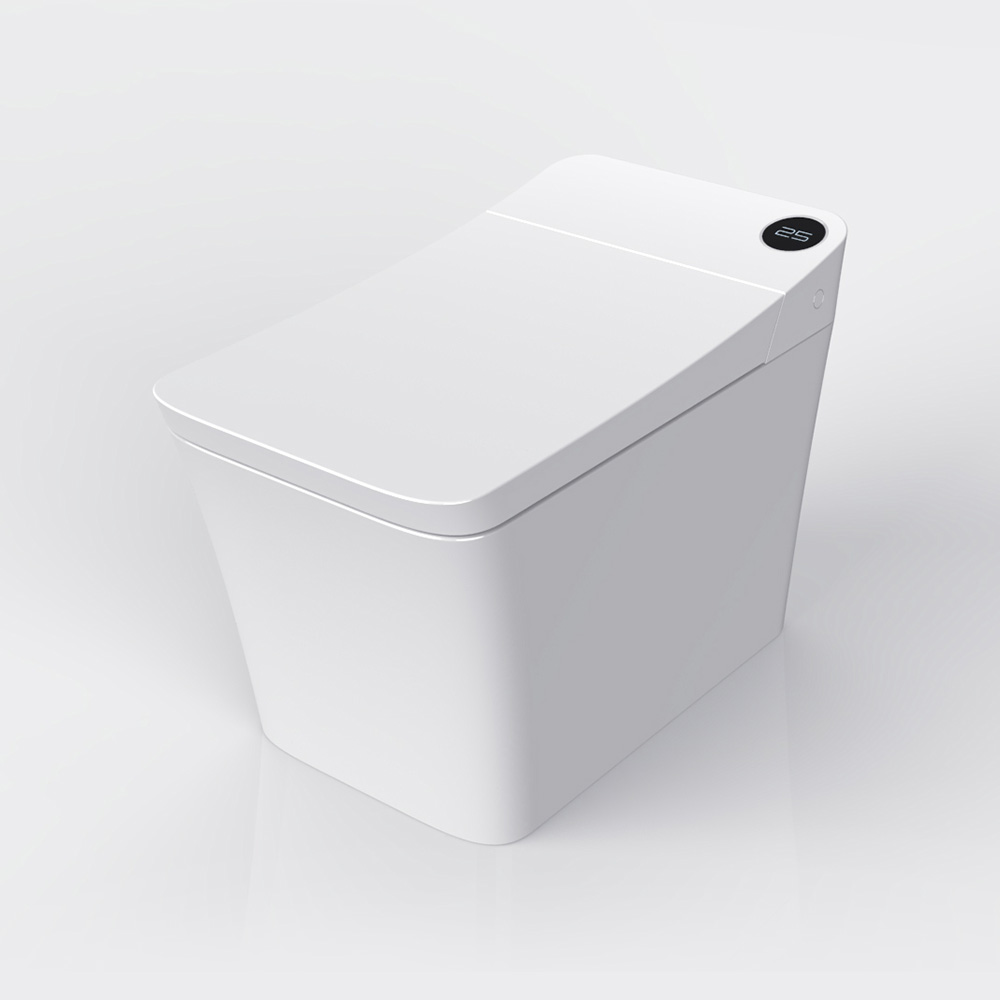
Presence sensing starts the cycle. On models such as the Hannover, the lid and seat open on their own as the user approaches, and a foot sensor does the same job for anyone who prefers a small step over a wave of the hand. The user does not touch the lid, which matters in shared bathrooms and in homes with small children.
For a buyer, this stage is what a customer sees at the start of a showroom visit. A Smart Wash & Dry Electric Bidet Toilet that opens itself makes a stronger impression than a spec sheet does, so the product page should describe the behaviour in plain words.
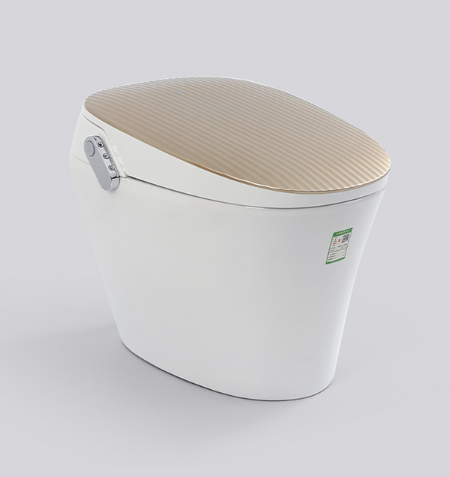
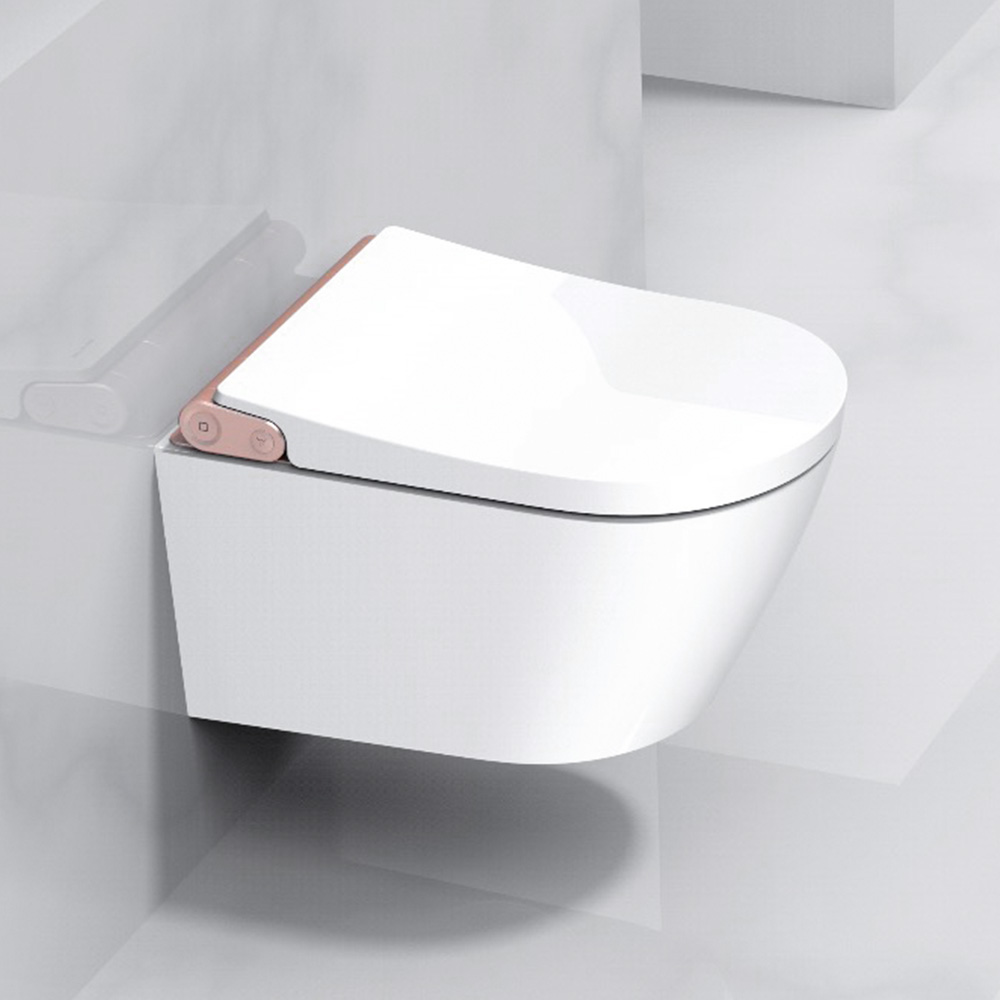
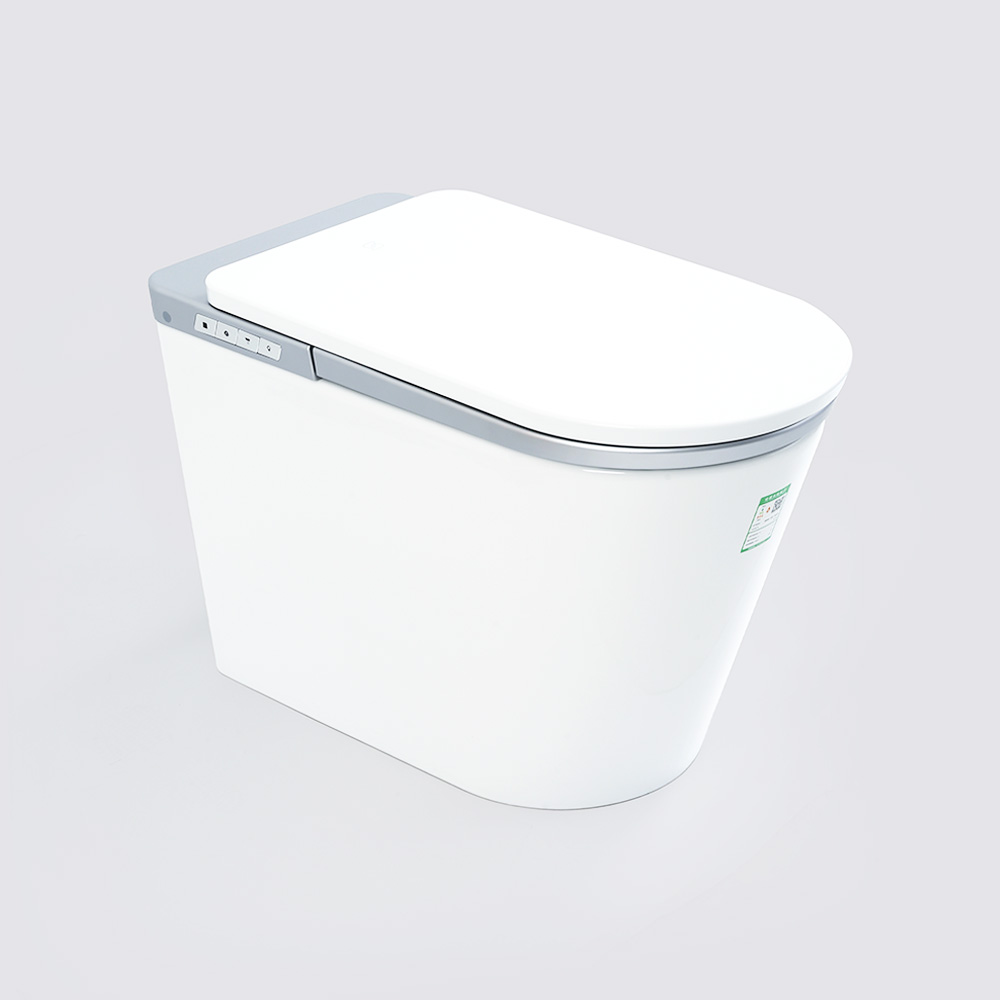
The wash is the core of a Smart Wash & Dry Electric Bidet Toilet, and the range lists several modes. The Alice offers a rear wash, a feminine wash and a reciprocating wash in which the nozzle moves back and forth. It also lists a SPA wash with massage that runs from strong to weak and from hot to cold, and it adds adjustable water settings.
Different users want different things from the same cycle. Some want a gentle rinse, some want a stronger stream, and some want the massage setting at the end. A Smart Wash & Dry Electric Bidet Toilet that names each mode on the product page lets a shopper find the one that suits them before buying, and it gives a salesperson something specific to demonstrate.
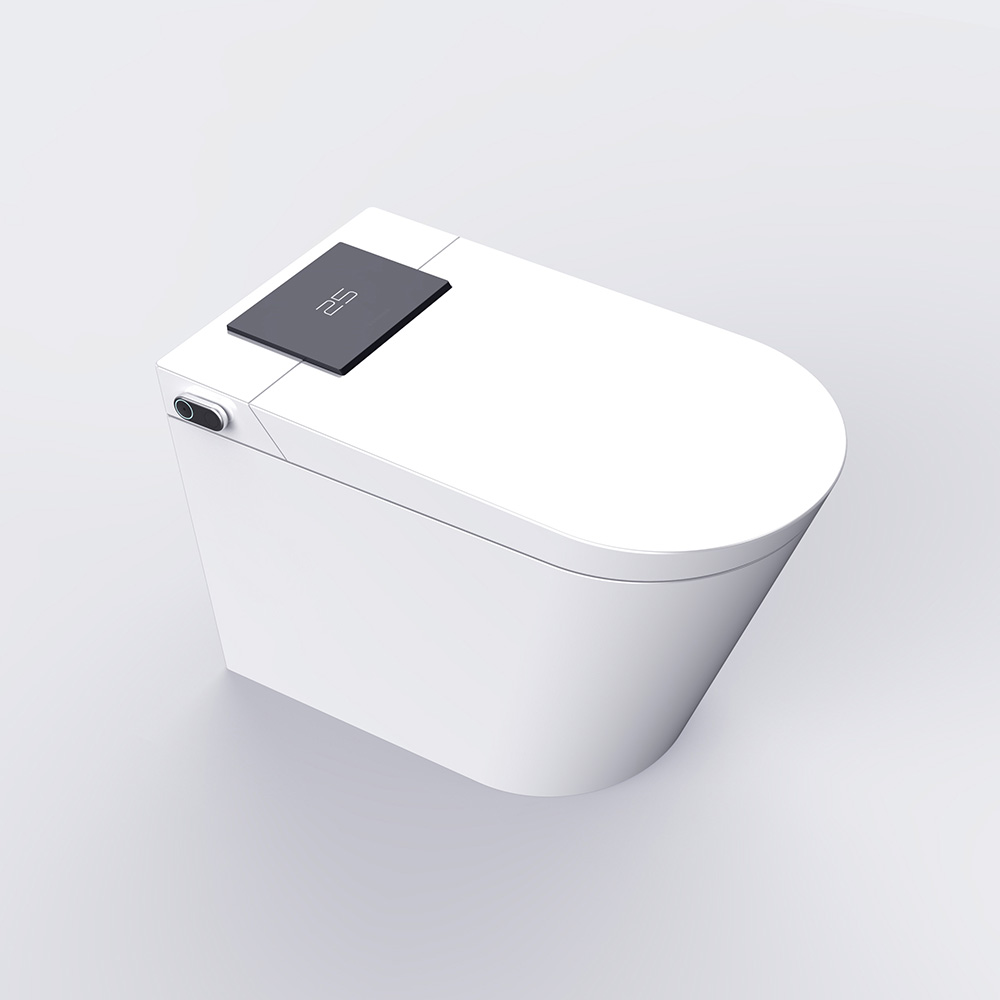
Temperature matters as much as pressure on a Smart Wash & Dry Electric Bidet Toilet. A wash that starts cold sends users reaching for the stop button, so water that warms quickly is worth stating. The Munich-CM2 lists instant heating, and a buyer comparing models can use that line to separate the series.
After the wash, a Smart Wash & Dry Electric Bidet Toilet hands over to warm air drying. The user stays seated, and the dryer picks up where the water stops, so the whole cycle stays in one place. The Munich-CM1 carries automatic cleaning and drying in its product name, which shows the sequence is built into the model and not added as an extra.
The practical gain of warm air drying is less reliance on paper. Customers who use the wash every day notice the saving on paper, and homes with older family members or limited mobility notice the convenience of not reaching for anything at all.
Product pages tend to be vague about this stage, and that is where buyers should ask questions. Does the dryer start on its own after the wash, or on a button press? Can the user adjust it? The answers change how a listing should describe warm air drying, and a buyer who asks the factory for the exact behaviour of each model avoids promising something a model does not do.
When the user stands, the Smart Wash & Dry Electric Bidet Toilet senses it and flushes by itself. The Hannover and the Liberty both list an automatic flush after the user leaves the seat, and the lid and seat close afterward on models that offer it. The bathroom is left in the state the next person expects to find it.
Flushing is the stage many people take for granted, yet it decides whether the earlier three feel finished. All of the models in the range use a siphonic system, which pulls waste through the trap using the weight of the water. A Smart Wash & Dry Electric Bidet Toilet that washes and dries well but flushes weakly would still disappoint, so the flushing system deserves the same line of description as the wash.
A clear listing follows the cycle in the order the user lives it. One short paragraph for each stage tells a shopper what happens without asking them to read a feature list. Sensing opens the list, then the wash modes, then drying, then the flush.
Buyers who sell a Smart Wash & Dry Electric Bidet Toilet can also use the four stages as a training outline for sales staff. A salesperson who can walk a customer through the stages in order sounds confident, and the customer remembers the sequence long after the showroom visit. When the cycle is described that way, warm air drying and the wash modes read as parts of one routine and not as separate gadgets.
Copyright © Seewin Technology (Zhejiang) Co., Ltd.All Rights Reserved.
Customized Functional Electric Smart Toilet Factory

 English
 中文简体
中文简体 русский
 Français
 Español
 عربى
عربى Türk
Türk